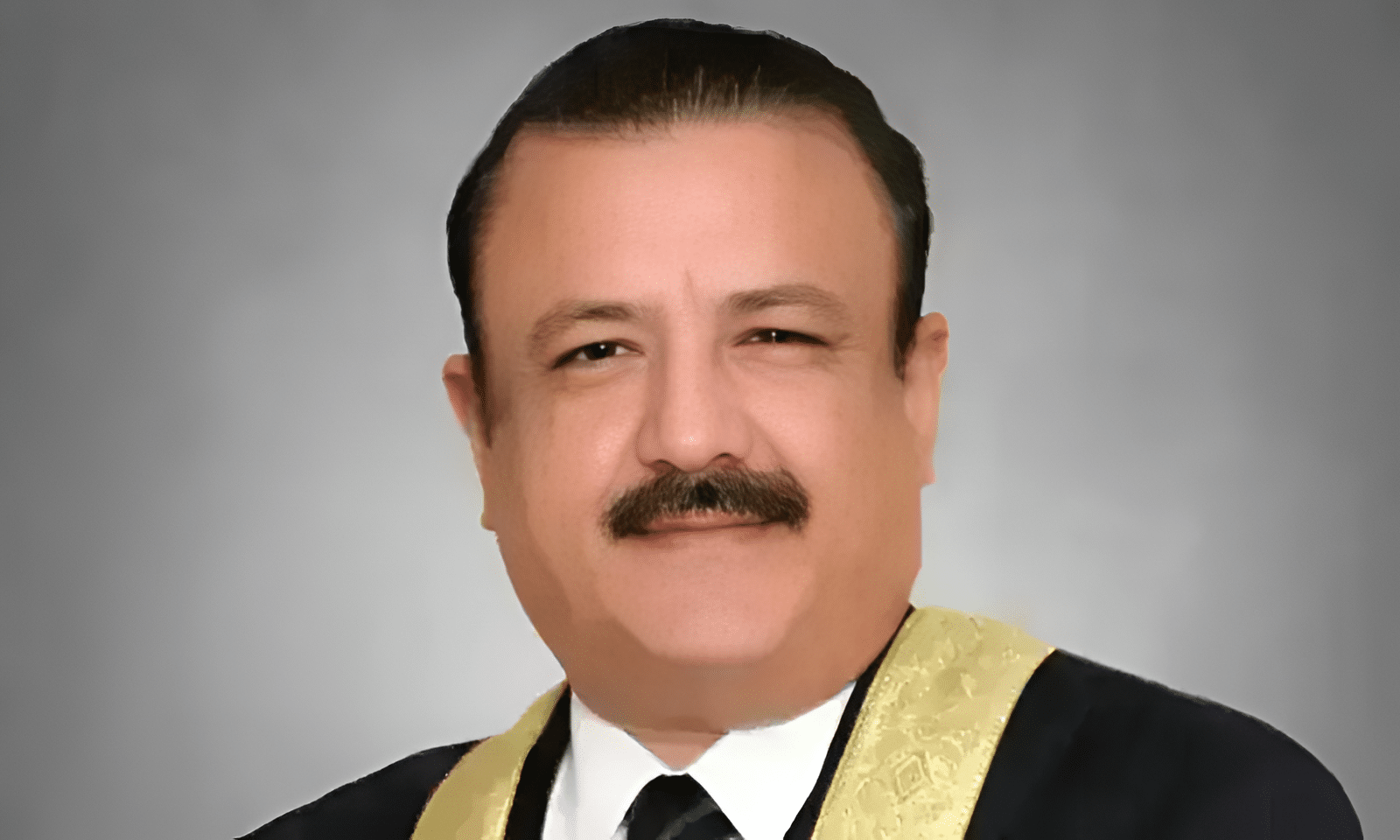
The Islamabad High Court has ruled that Justice Tariq Mahmood Jahangiri’s law degree is fa_ke and, because of this, he cannot continue holding his position as a judge. The decision was made after the court examined the original academic records submitted by Karachi University.
These documents were carefully reviewed, and the findings showed that the degree presented by Justice Jahangiri did not match the official university records.
According to the court, he did not meet the basic qualifications required to become a lawyer or a judge. Since a valid law degree is necessary for both professions, the verdict stated that he was never eligible to practice law or serve on the bench.
The judgment marks a serious moment, as it questions not only his eligibility but also the reliability of the documents he submitted during his career.
Security measures at the Islamabad High Court were increased before the announcement because the case had gained public attention. The court wanted to ensure that the proceedings were secure and free from disruption.
Earlier in the process, Justice Jahangiri had raised objections, claiming that the case was influenced by b_ias.
However, the court rejected his claims and instructed the registrar of Karachi University to provide the original LL.B. record to confirm the facts. Once the university submitted the documents, the court compared the information and reached a clear conclusion.
This ruling has sparked discussions within legal and political circles. It has highlighted the importance of verifying educational credentials, especially for people who hold powerful positions in the justice system.
The case may also lead to further investigations and questions about whether more checks are needed to prevent similar situations in the future.






 American Dollar Exchange Rate