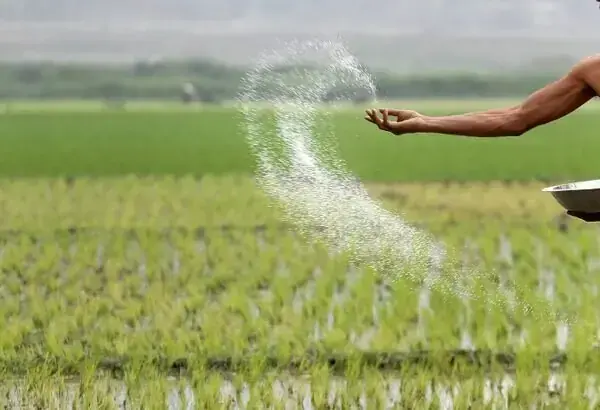
ISLAMABAD: The Competition Commission of Pakistan (CCP) has strongly recommended that the registration of pesticide products must remain solely under the jurisdiction of the federal government, specifically the Department of Plant Protection (DPP).
A centralized system for pesticide registration would prevent the growing administrative complexities currently faced by manufacturers and importers due to overlapping federal and provincial requirements.
The CCP has also expressed serious concern that counterfeit and adulterated pesticides are widespread in Punjab and Sindh, damaging crops, causing major financial losses to farmers, and distorting competition in the market.
The CCP has released its “Competition Assessment Study of the Pesticide Sector in Pakistan,” and reviewed the structure, regulatory framework, and overall performance of the pesticide sector, highlighting significant gaps that undermine fair competition and quality assurance.
The report noted that despite a large and expanding agricultural market, Pakistan has no local pesticide manufacturing and relies entirely on imports. Weak enforcement, regulatory gaps, and complex approval procedures continue to create hurdles for genuine businesses and expose farmers to low-quality products.
Key issues identified included fake and adulterated pesticides remain common in Punjab and Sindh, harming crops and hurting farmers.
The report revealed that Pakistan fully depends on imported pesticides; no local manufacturing exists and high investment costs and long testing periods discourage domestic production.
A strict two-year shelf-life rule results in wastage, even when products remain effective longer, it said.
The weak enforcement allows counterfeit suppliers to evade penalties and provincial laboratories lack capacity and trained staff for reliable testing.
The Inspectors in Sindh face weak legal support, slowing prosecution and overlapping federal and Punjab roles after the 18th Amendment caused delays in registration.
The Form-1 approval process is lengthy and complicated and some imported products are unsuitable for Pakistan’s climate.
The report found that misuse of pesticides by farmers leads to health, environmental, and export-quality problems.
The CCP recommended review and revise the two-year shelf-life limit and harmonize federal and provincial regulatory frameworks.
The CCP also recommended simplify and speed up the Form-1 registration system and promote climate-appropriate and locally tested pesticide formulations.
The CCP recommended strengthen inspections and legal enforcement against counterfeit products and upgrade provincial laboratories and improve technical staffing.
The CCP recommended support local manufacturing to reduce import dependence and help agriculture graduates become licensed distributors.
The CCP recommended align pesticide regulations with Sustainable Development Goals on food security, health, and climate resilience.
The report concludes that stronger enforcement, improved coordination, and better regulatory clarity will enhance competition in the pesticide market, reduce risks for farmers, and support Pakistan’s broader agricultural and environmental objectives.
Copyright media, 2025
 American Dollar Exchange Rate