In early January 2026, a major political crisis unfolded involving the United States and Venezuela. The situation escalated after a U.S. military operation led to the capture of Venezuelan President Nicolás Maduro.
He was taken into U.S. custody and later transferred to New York, where he is expected to face legal proceedings related to drug trafficking and other serious charges.
Following Maduro’s removal, Venezuela’s Vice President, Delcy Rodríguez, was sworn in as the country’s interim president. She assumed leadership under Venezuela’s constitutional process while the country faced uncertainty and international attention.
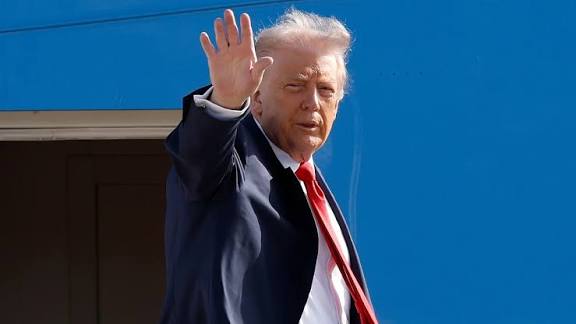
Soon after the operation, U.S. President Donald Trump caused fresh controversy with a social media post on his platform, Truth Social. He shared an image and caption claiming that he is the “Acting President of Venezuela.”
The post quickly spread online and sparked strong criticism from political leaders, analysts, and the public. Many viewed the statement as symbolic rather than legal, as no official body has recognized Trump in any leadership role related to Venezuela.
Trump’s post was seen as a dramatic escalation in the already tense situation. Critics said it created confusion and raised concerns about international law and national sovereignty. Supporters, however, described it as a political message highlighting U.S. influence in the region.
The development has triggered global debate over the role of military intervention, the limits of foreign authority, and how leadership transitions should be handled during international conflicts. The situation in Venezuela remains unstable, with ongoing diplomatic, legal, and political challenges ahead.








 American Dollar Exchange Rate