
The Pakistan Textile Council (PTC) on Sunday welcomed the prime minister’s decision to recognise top exporters, terming it a strong vote of confidence in Pakistan’s export sector and a reaffirmation of the government’s commitment to performance, compliance and global competitiveness.
In a statement, PTC expressed appreciation to Prime Minister Shehbaz Sharif, Deputy Prime Minister and Finance Minister Ishaq Dar, and Federal Minister for Commerce Jam Kamal Khan for honouring members of the council among the country’s leading exporters.
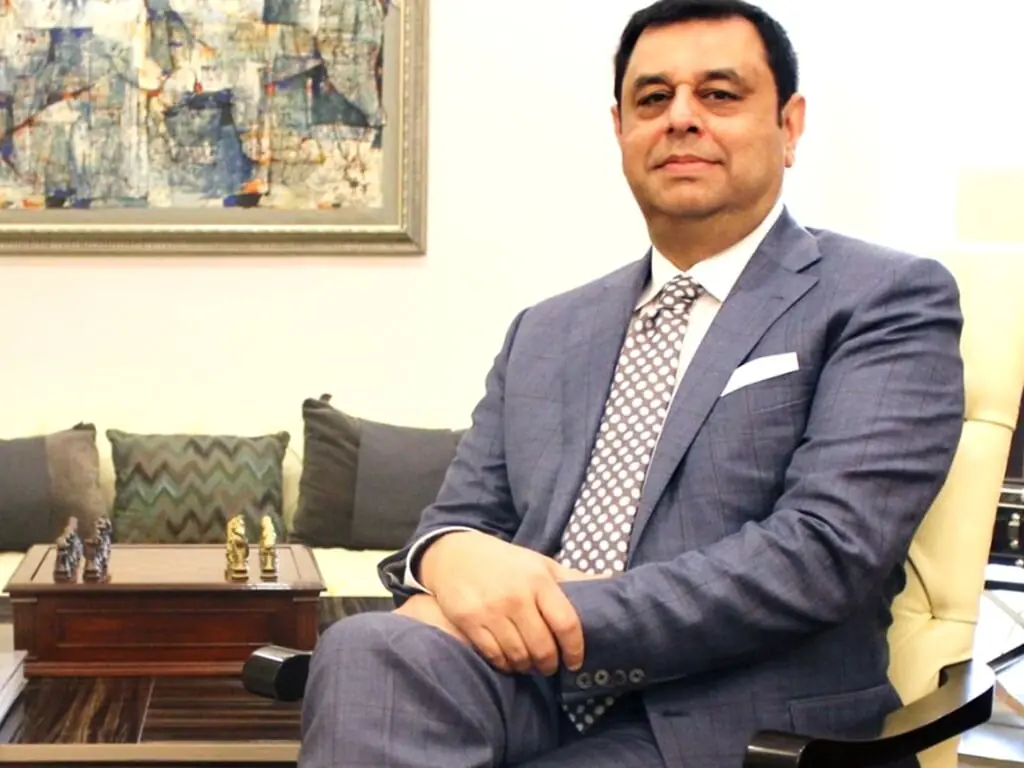
Commenting on the development, PTC Chairman Fawad Anwar said the recognition had come at a critical juncture for the economy and sent a positive signal to export-oriented industries operating under challenging macroeconomic conditions.
“At a time when Pakistan has limited fiscal space due to the IMF programme, the government’s decision to support exports through smart, market-based measures is both courageous and economically sound,” he said.
Read More: PM Shehbaz rolls out measures to boost industry, trade and exports
The PTC particularly welcomed the recent reduction in Export Refinance Facility (ERF) rates, noting that the move reflected prudent macroeconomic management and had been achieved without imposing a fiscal burden.
Anwar lauded the role of State Bank of Pakistan Governor Jameel Ahmad and his team in designing and operationalising the framework, which he said was anchored in sound monetary policy. He pointed out that the one percent reduction in the Cash Reserve Requirement (CRR) had released over Rs300 billion in liquidity into the banking system, allowing banks to absorb a 300-basis-points cut in ERF rates while maintaining financial sector stability.
“This approach strengthens market liquidity, lowers financing costs for exporters and preserves confidence in the banking system, reflecting close coordination between fiscal and monetary authorities,” he added.
The council also welcomed the prime minister’s announcement to remove cross-subsidies from industrial power tariffs, terming it a long-overdue correction of structural distortions that have disproportionately penalised export-oriented sectors.
According to Anwar, the measures signal a shift toward targeted, export-led growth in the post-stabilisation phase of the economy.
Addressing concerns over the recently concluded India-EU Free Trade Agreement, Anwar cautioned against what he described as unnecessary alarmism.
“There is no case for panic. Competitiveness not fear, should guide policy,” he said, adding that the perceived threat to Pakistan’s exports to the EU was being overstated.
He noted that while the agreement would take effect next year and competition could intensify, Pakistan’s leading exporters, particularly in value-added textiles and apparel, were well positioned due to strengths in quality, compliance, sustainability standards and long-standing buyer relationships.
Looking ahead, the PTC stressed the need for a comprehensive, long-term reform agenda to ensure sustainable export growth.
Key priorities highlighted by the council included the continuation of the GSP Plus regime through credible compliance, regionally competitive taxation, investment-linked tax incentives, a stable and market-aligned real effective exchange rate, duty-free access to export inputs, and the removal of bureaucratic and procedural barriers.
The PTC reaffirmed its commitment to working closely with the government to translate macroeconomic stability into sustained export growth, job creation and higher foreign exchange earnings.



 American Dollar Exchange Rate