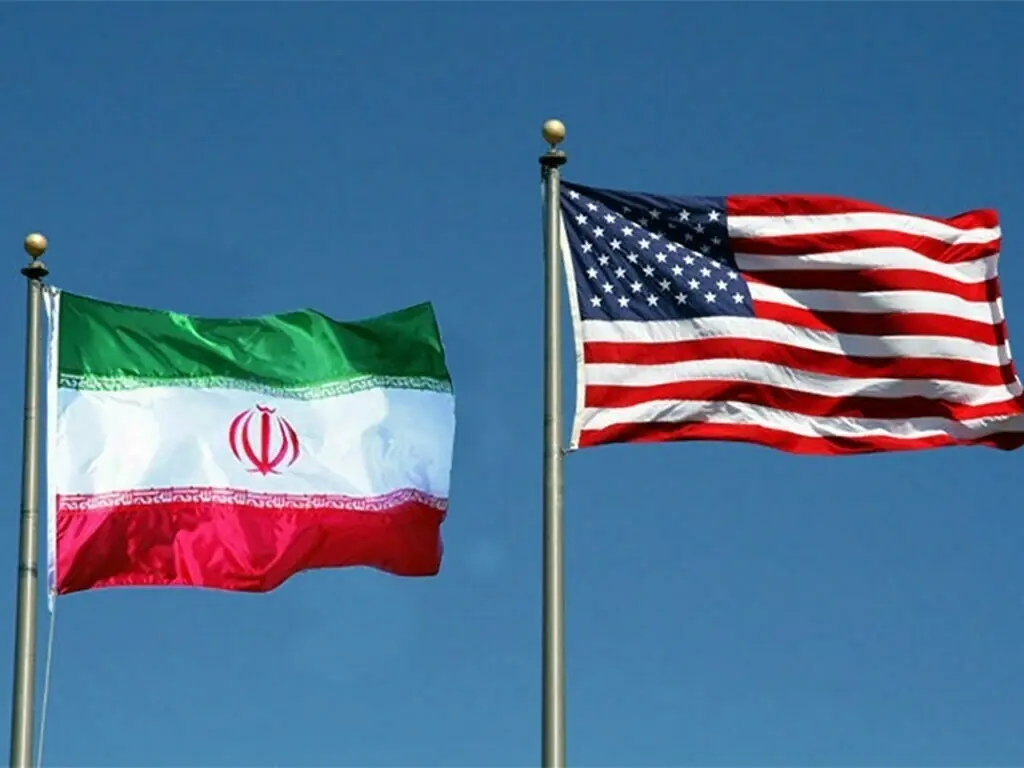
PARIS: Iran and the United States were preparing for talks on Friday in Oman, with Washington looking to see if there is any prospect of diplomatic progress on the Iranian nuclear programme and other issues while refusing to rule out military action.
The talks, which were finally confirmed by both sides late Wednesday after hours of doubt over the location, timing and format, will be the first such encounter between the two foes since the US joined Israel’s war against the Islamic republic in June with strikes on nuclear sites.
President Donald Trump’s Middle East envoy Steve Witkoff and Iranian Foreign Minister Abbas Araghchi are due to lead their delegations at the talks in the discreet Gulf sultanate, which has periodically acted as a low-profile mediator between the countries.
The meeting comes just under a month after the peak of a wave of protests nationwide in Iran against the clerical leadership, which rights groups say were repressed with an unprecedented crackdown that has left thousands dead.
“They’re negotiating,” Trump said at the National Prayer Breakfast. “They don’t want us to hit them, we have a big fleet going there,” he added, referring to the aircraft carrier group he has repeatedly called an “armada”.
Trump initially threatened military action against Tehran over its crackdown on protesters and even told demonstrators “help is on its way”. But his rhetoric in recent days has focused on reining in the Iranian nuclear programme that the West fears is aimed at making a bomb.
“He (Trump) is going to do is he is going to keep his options open, he is going to talk to everybody, he is going to try to accomplish what he can through non-military means and if he feels like the military is the only option then he is ultimately going to choose that option,” US Vice President JD Vance told SiriusXM in an interview broadcast Wednesday.
Vance also expressed frustration with the fact that Trump could not deal directly with supreme leader Ayatollah Ali Khamenei, saying “it’s a very weird country to conduct diplomacy with when you can’t even talk to the person who’s in charge of the country”.
‘Inflexibility towards US demands’
German Chancellor Friedrich Merz, speaking in the Qatari capital Doha, urged Iran’s leadership to “truly enter talks”, saying there was a “great fear of military escalation in the region”.
Turkish President Recep Tayyip Erdogan was quoted by Turkish newspapers as saying that “so far, I see that the parties want to make room for diplomacy”, adding that conflict was “not the solution”.
 American Dollar Exchange Rate