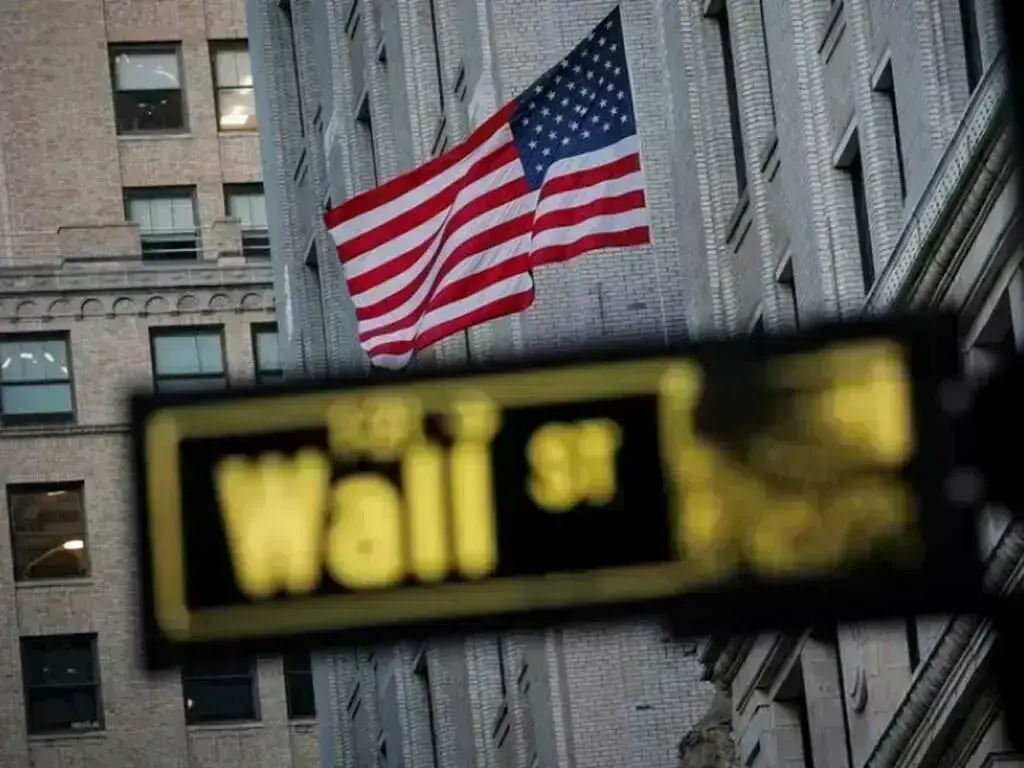
The S&P 500 and the Nasdaq rose to their highest in one week on Wednesday, supported by a stronger-than-expected jobs data that pointed to a resilient U.S. economy, while the unemployment rate ticked lower in January.
U.S. job growth accelerated in January and the unemployment rate fell to 4.3%, signs of labor market stability that could give the Federal Reserve room to keep interest rates unchanged for some time as policymakers monitor inflation.
Traders pared rate-cut expectations, with the odds of a first 25-basis-point reduction shifting to July from June earlier, LSEG data showed. Those bets had ticked higher on Tuesday following an unexpected stall in December retail sales.
“Equities are viewing this favorably because the underlying employment picture looks like it’s stronger than what’s expected and most importantly maybe somewhat stronger than has been recently assessed and characterized by the FOMC,” said Jordan Rizzuto, chief investment officer at GammaRoad Capital Partners.
Rizzuto highlighted that if these numbers held up after revisions, it would imply that the economy is closer to the neutral rate than markets had previously expected.
The inflation report due on Friday could further alter expectations for the Fed’s rate path.
At 09:45 a.m. ET, the Dow Jones Industrial Average rose 227.84 points, or 0.41%, to 50,415.98. The S&P 500 gained 37.27 points, or 0.54%, to 6,979.08, while the Nasdaq Composite advanced 126.95 points, or 0.55%, to 23,229.43.
Wall St mixed with data, earnings in focus
Technology stocks were the biggest boosts to the S&P 500, up 0.7%, as they recover from last week’s bruising selloff. Nvidia gained 1.4% and Apple was up 0.8%.
AI-fueled disruption remained a major concern, with markets quick to punish sectors perceived to be at risk. After software names were battered last week, the selloff spread to brokerage stocks on Tuesday when startup Altruist announced an AI-enabled tax-planning features.
Industrial stocks such as Caterpillar boosted the Dow. Big banks such as Goldman Sachs and JPMorgan Chase also gained more than 1% each.
Nine of the 11 S&P 500 sectors traded higher, with energy leading the pack with 2% gains.
The economically sensitive small-cap Russell 2000 index hit a more than two-week high and was last up 0.6%.
The earnings season also kept traders engaged. Generac topped the S&P 500 with a 12% gain after its fourth-quarter results.
Robinhood shares dropped 9.5% after the retail brokerage missed fourth-quarter revenue expectations.
T-Mobile slipped 3.6% after the telecom operator added fewer wireless subscribers in the fourth quarter than analysts had expected.
Humana slid 1.8% after the health insurer forecast 2026 profit below Wall Street estimates, while Kraft Heinz dipped 2.7% after the packaged-foods maker said it has paused work to split into half.
Moderna fell 9.8% after the U.S. Food and Drug Administration decided not to review the company’s application for approval of its influenza vaccine.
Advancing issues outnumbered decliners by a 1.75-to-1 ratio on the NYSE and by a 1-to-1 ratio on the Nasdaq.
The S&P 500 posted 73 new 52-week highs and 15 new lows, while the Nasdaq Composite recorded 95 new highs and 80 new lows.
 American Dollar Exchange Rate