NEW YORK: U.S. natural gas futures edged up about 1% on Wednesday on near-record flows to liquefied natural gas export plants and forecasts for more demand next week than previously expected.
On its last day as the front-month, gas futures for March delivery on the New York Mercantile Exchange rose 3.8 cents, or 1.3%, to $2.953 per million British thermal units (mmBtu). On Tuesday, the contract closed at its lowest since September 26.
Futures for April, which will soon be the front-month, were up about 1.8% to $2.88 per mmBtu.
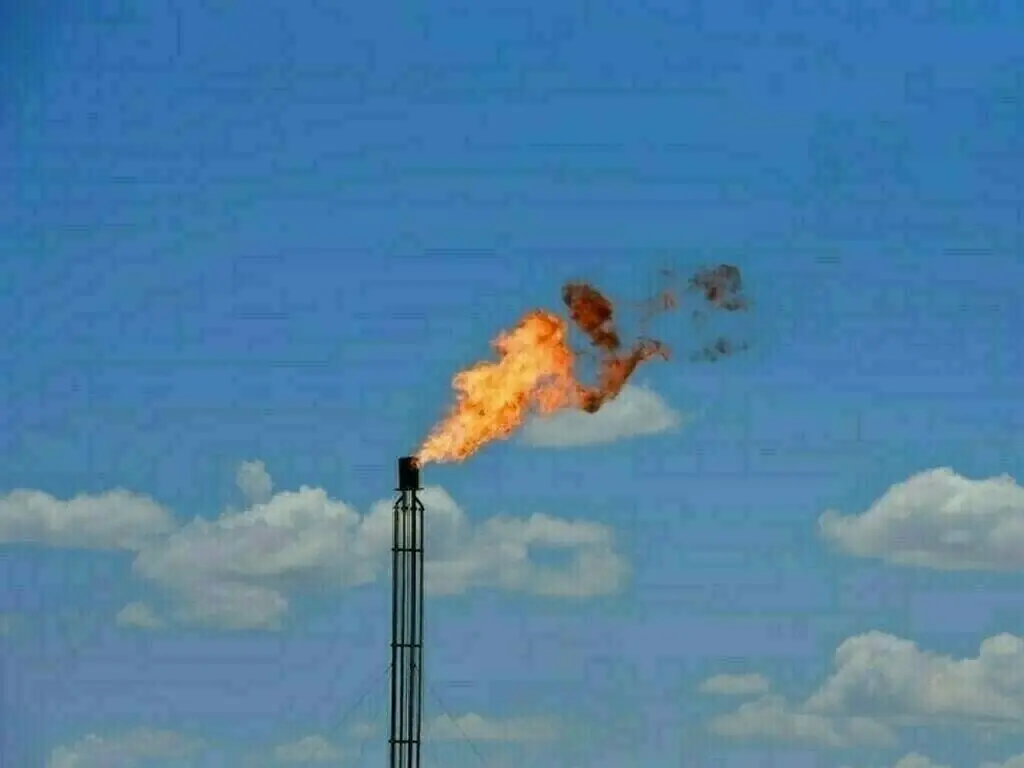
In the cash market, average prices at the Waha Hub in West Texas remained in negative territory for a record 14th day in a row, as pipeline constraints trapped gas in the nation’s biggest oil-producing basin.
Daily Waha prices first averaged below zero in 2019. They did so 17 times in 2019, six times in 2020, once in 2023, a record 49 times in 2024, 39 times in 2025, and 23 times so far this year.
READ MORE: US natural gas futures hit four-month low on mild weather forecast
Waha prices have averaged 52 cents per mmBtu so far in 2026, compared with $1.15 in 2025 and $2.88 over the past five years (2021-2025).
In Arizona, next-day power at the Palo Verde Hub fell to $5.92 per megawatt hour, its lowest since May 2024. That compares with an average of $26.65 so far in 2026, $34.82 in 2025, and $59.94 over the past five years (2021-2025).
Supply and demand
Average gas output in the Lower 48 states climbed to 108.7 billion cubi feet per day (bcfd) so far in February from 106.3 bcfd in January, according to LSEG data. Output hit a monthly record high of 109.7 bcfd in December.
As utilities in the U.S. Northeast continued to restore power following a massive winter storm, meteorologists predicted weather across the country would remain mostly warmer than normal through March 12.
LSEG projected average gas demand in the Lower 48 states, including exports, would slide from 138.5 bcfd this week to 131.2 bcfd next week. The forecast for next week was higher than LSEG’s outlook on Tuesday.
There was about 6% less gas in storage than usual during the week ended February 13.
Energy analysts expect a federal report on Thursday to show the deficit dropped to just 1% below normal during the week ended February 20 after mostly mild weather and low heating demand allowed utilities to leave more gas in storage than usual for this time of year.
Average gas flows to the nine large U.S. LNG export plants rose to 18.7 bcfd so far in February, up from 17.8 bcfd in January and on track to beat December’s monthly record of 18.5 bcfd.
In LNG news, QatarEnergy/Exxon Mobil’s 2.4-bcfd Golden Pass export plant under construction in Texas continued to take in more feedgas this week as it prepared to produce its first LNG.
 American Dollar Exchange Rate