• Court says liability to deduct WHT depends on where transaction occurred
• PHC ruling set aside; matter sent back to assessing officer for fresh review
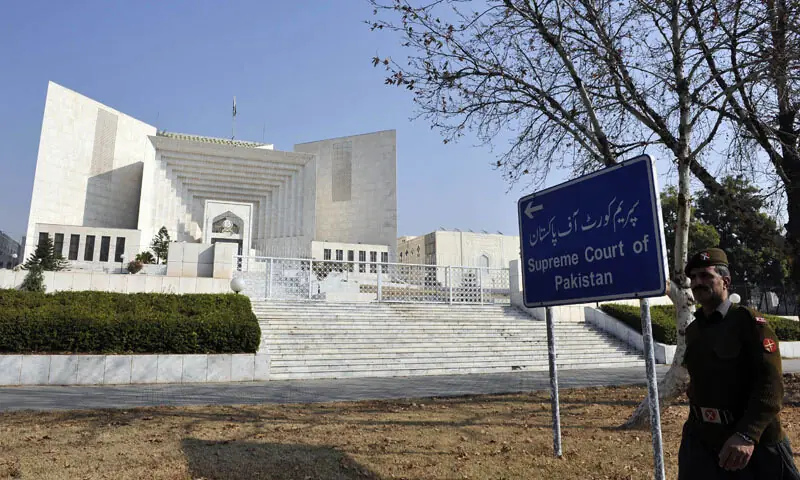
ISLAMABAD: The Supreme Court has remanded a tax dispute back to the original tax assessing officer for a fresh review in a case where a steel mill was accused of not deducting withholding tax (WHT) on purchases from suppliers situated in the former tribal areas — Federally Administered Tribal Areas (Fata) and Provincially Administered Tribal Areas (Pata).
The tax department claimed that the company, Tarbela Steel Re-Rolling Mills (Pvt) Ltd, should have deducted one per cent tax from payments to its suppliers, while the petitioner company argued that before the 25th Constitutional Amendment, the Sales Tax Act, 1990, did not apply to Fata and Pata, so the suppliers were not required to be registered and therefore the company had no duty to deduct tax.
A three-judge bench took up an appeal by Tarbela Steel Re-Rolling Mills against the Oct 19, 2023, Peshawar High Court (PHC) determination, which had held that the company was liable for failing to deduct withholding tax on purchases from suppliers based in the former tribal areas.
Authored by Justice Miangul Hassan Aurangzeb, the SC judgement overturned the PHC order and remanded the matter back to the assessing officer, observing that taxpayers or purchasers could not be held liable for failing to withhold or deduct sales tax on purchases made from suppliers in the tribal areas unless it was first determined where the actual transaction took place.
During audit proceedings for tax periods spanning 2014 to 2016 and 2018, the Inland Revenue department observed that the company had purchased raw material from suppliers who were not registered under the Sales Tax Act, 1990, and had failed to deduct withholding tax at the rate of 1pc from payments made to them.
On April 10, 2019, a show-cause notice was issued to the company demanding recovery of Rs1.1 million along with default surcharge and penalty. The petitioner argued that since the suppliers were based in the tribal areas, and the provisions of sales tax had not been extended there under Article 247(3) of the Constitution prior to the 25th Constitutional Amendment, the suppliers were not liable to be registered under the Act and consequently no withholding tax obligation arose.
The Appellate Tribunal Inland Revenue (ATIR), Peshawar, on Jan 27, 2021, partly allowed the petitioner’s appeal.
However, the tax department challenged ATIR’s decision before the PHC, through a sales tax reference, which on Oct 19, 2023, held that the petitioner was liable to deduct sales tax. The SC observed in the verdict that prior to the 25th Amendment the operation of the Sales Tax Act, 1990, was not extended to the tribal areas.
Published in media, March 13th, 2026
 American Dollar Exchange Rate