

The ongoing conflict in the Middle East has led to a sharp surge in energy costs, which is expected to weigh on Pakistan’s trade balance and inflation trajectory in the near term, said the State Bank of Pakistan (SBP) in its minutes of the meeting of the Monetary Policy Committee (MPC).
As per the minutes, since the last MPC meeting, global oil and LNG prices have increased by around 28.1% and 38%, respectively, as of March 6, 2026, reflecting supply concerns and disruptions to shipping routes in the region.
“This has led to a deterioration in Terms of Trade (ToT) for the country since the last MPC meeting,” it said.
Earlier this month, the central bank decided to keep its benchmark policy rate unchanged at 10.5%. The decision was in line with market expectations, which anticipated the central bank to maintain the status quo in the wake of escalating geopolitical tensions in the Middle East, which have swelled energy prices, raising fears of a new wave of inflation.
While discussing the outlook for the external sector, the SBP staff in its minutes highlighted that the ongoing geopolitical developments may affect Pakistan’s external sector outlook through multiple channels.
“In particular, higher global oil prices and freight costs are expected to increase the energy import bill and worsen the services account deficit, respectively, while exports may face some pressure due to disruptions in regional trade routes,” read the minutes.
Inflation to remain above 7pc till FY27: SBP
The SBP staff informed that the workers’ remittances are expected to remain resilient during FY26, with inflows projected to rise due to seasonal Eid-related inflows.
“Despite the emerging challenges, the staff assessed that the current account deficit is likely to remain within the earlier projected range of 0–1% of GDP in FY26 in the baseline scenario. Consistent with this assessment and the expected realisation of planned official inflows, SBP’s FX reserves are expected to reach $18 billion by June 2026,” it said.
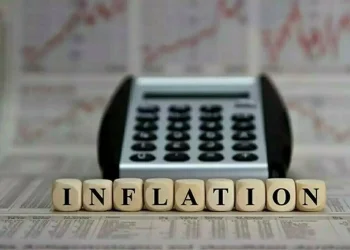
Discussing the inflation outlook, the staff apprised that inflation is expected to increase somewhat faster than earlier anticipated, mainly due to the war-induced surge in global energy prices as well as increases in freight and insurance charges and the low base effect of electricity tariffs.
“However, some of these pressures are expected to be partially offset by improved supply conditions for key food items and better prospects of agricultural produce for the Rabi season,” it said.
The minutes noted that inflation is expected to remain above 7% during the remaining months of FY26; “however, the outlook remains subject to significant uncertainty stemming from volatile global commodity prices, unanticipated adjustments in domestic energy tariffs and geopolitical developments”.
The MPC decided to keep the policy rate unchanged by a majority decision of eight out of ten members. Two members voted to increase the policy rate by 50 bps.





 American Dollar Exchange Rate