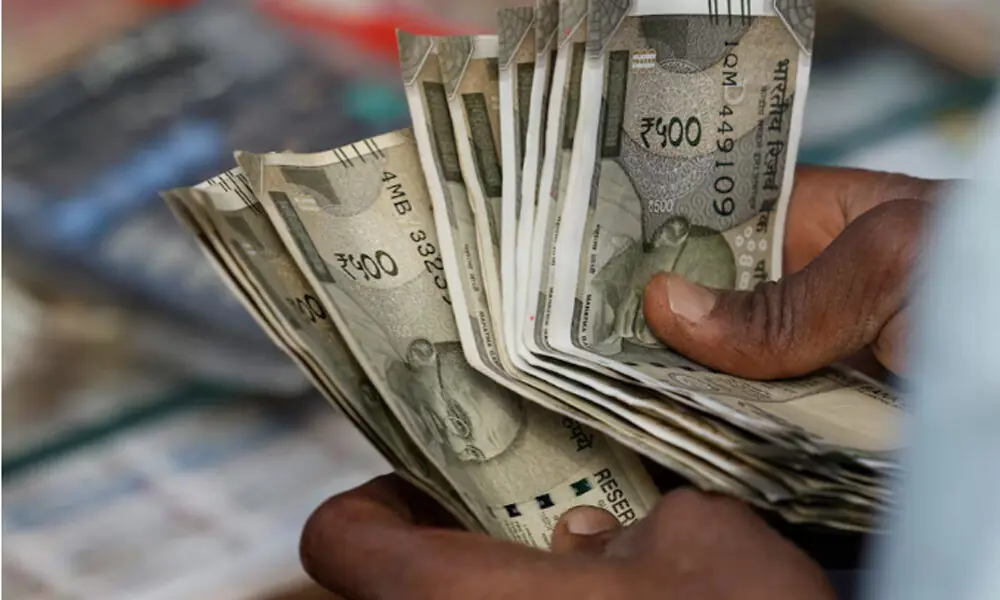
MUMBAI: India’s foreign exchange restrictions have made it costlier and more complex for overseas investors to hedge against Indian rupee swings, denting the appeal of Indian bonds, while a war-driven hit to earnings prospects is adding fresh pressure on equities.
Steps taken by the Reserve Bank of India to steady the Indian rupee — including curbs aimed at limiting arbitrage trades — have eased pressure on the currency, but at the cost of higher hedging expenses for foreign bond investors in both the onshore over-the-counter and the offshore non-deliverable forward (NDF) markets.
One-year hedging costs in the onshore market have risen by about 30 basis points since the measures were introduced. The increase has been steeper offshore, with NDF hedging costs climbing nearly 70 basis points.
In the immediate aftermath of the RBI’s move, NDF hedging costs hit their highest level in more than 12 years.
Liquidity in the NDF market, a key channel through which foreign investors manage rupee exposure, has thinned, making hedging both more expensive and harder to execute.
“Such high hedging costs wipe out almost all the carry and roll-down from Indian government bonds,” said Matthew Kok, a portfolio manager at Eastspring Investments.
“Investors are being paid much less for the risks they take.”
Eastspring, an Asia-focused asset manager with about $280 billion under management, is currently neutral on Indian bonds.
The RBI’s measures have further darkened sentiment toward India at a time when surging oil prices following the outbreak of the Iran war were already weighing on the economic outlook.
India imports roughly 90% of its oil needs and remains heavily dependent on supplies from the Middle East.
Foreign investors have sold about 211 billion rupees ($2.26 billion) of Indian government debt since the war began on February 28, with sales accelerating after the FX curbs were announced, according to data from the clearing house.
Some investors say that, after the RBI’s recent actions and their impact on currency hedging, oil prices may no longer be the sole trigger for a return of foreign inflows.
“I do not expect sentiment toward India to shift quickly, even if oil prices ease from here,” said Nigel Foo, head of Asian fixed income at First Sentier Investors, which manages about $140 billion. He cited lingering concerns over currency stability.
Foreign investors tend to return more slowly once they exit, particularly when currency-related risks persist, he added.
“A meaningful rise in bond yields may be needed before sentiment improves,” Foo said.
EARNINGS UNDER PRESSURE
Higher oil prices are amplifying concerns among equity investors, who have sold about $38 billion of Indian shares since the start of 2025.
Foreign outflows from equities totalled a record $12.7 billion in March alone.
The Iran war has intensified concerns that were already building, said Angela Lan, senior strategist of investment strategy and research at State Street Investment Management.
“Even before the conflict, India was facing headwinds from elevated valuations, AI-led disruption risks and softening earnings momentum,” Lan said.
State Street Investment Management oversees more than $5.5 trillion in assets globally.
Brokerages have begun cutting earnings forecasts, with expectations that downgrades will broaden over coming quarters.
Goldman Sachs has lowered its earnings growth forecast for India by a cumulative 9 percentage points over the next two years.
Nomura has warned of a 10–15% downside risk to consensus earnings estimates for the current financial year if oil prices remain at current levels, and has cut its December 2026 target for the Nifty 50 index by 15% to 24,600. The index has fallen more than 7% so far this year.
“Even if the conflict is resolved within weeks, we would still expect foreign investors to remain largely in risk-off mode in the near term,” said Rita Tahilramani of Aberdeen Investments.
Aberdeen said that most of its Asia and EM equities portfolios are currently underweight Indian equities, while remaining constructive on long-term prospects.

MUMBAI: India’s foreign exchange restrictions have made it costlier and more complex for overseas investors to hedge against Indian rupee swings, denting the appeal of Indian bonds, while a war-driven hit to earnings prospects is adding fresh pressure on equities.
Steps taken by the Reserve Bank of India to steady the Indian rupee — including curbs aimed at limiting arbitrage trades — have eased pressure on the currency, but at the cost of higher hedging expenses for foreign bond investors in both the onshore over-the-counter and the offshore non-deliverable forward (NDF) markets.
One-year hedging costs in the onshore market have risen by about 30 basis points since the measures were introduced. The increase has been steeper offshore, with NDF hedging costs climbing nearly 70 basis points.
In the immediate aftermath of the RBI’s move, NDF hedging costs hit their highest level in more than 12 years.
Liquidity in the NDF market, a key channel through which foreign investors manage rupee exposure, has thinned, making hedging both more expensive and harder to execute.
“Such high hedging costs wipe out almost all the carry and roll-down from Indian government bonds,” said Matthew Kok, a portfolio manager at Eastspring Investments.
“Investors are being paid much less for the risks they take.”
Eastspring, an Asia-focused asset manager with about $280 billion under management, is currently neutral on Indian bonds.
The RBI’s measures have further darkened sentiment toward India at a time when surging oil prices following the outbreak of the Iran war were already weighing on the economic outlook.
India imports roughly 90% of its oil needs and remains heavily dependent on supplies from the Middle East.
Foreign investors have sold about 211 billion rupees ($2.26 billion) of Indian government debt since the war began on February 28, with sales accelerating after the FX curbs were announced, according to data from the clearing house.
Some investors say that, after the RBI’s recent actions and their impact on currency hedging, oil prices may no longer be the sole trigger for a return of foreign inflows.
“I do not expect sentiment toward India to shift quickly, even if oil prices ease from here,” said Nigel Foo, head of Asian fixed income at First Sentier Investors, which manages about $140 billion. He cited lingering concerns over currency stability.
Foreign investors tend to return more slowly once they exit, particularly when currency-related risks persist, he added.
“A meaningful rise in bond yields may be needed before sentiment improves,” Foo said.
EARNINGS UNDER PRESSURE
Higher oil prices are amplifying concerns among equity investors, who have sold about $38 billion of Indian shares since the start of 2025.
Foreign outflows from equities totalled a record $12.7 billion in March alone.
The Iran war has intensified concerns that were already building, said Angela Lan, senior strategist of investment strategy and research at State Street Investment Management.
“Even before the conflict, India was facing headwinds from elevated valuations, AI-led disruption risks and softening earnings momentum,” Lan said.
State Street Investment Management oversees more than $5.5 trillion in assets globally.
Brokerages have begun cutting earnings forecasts, with expectations that downgrades will broaden over coming quarters.
Goldman Sachs has lowered its earnings growth forecast for India by a cumulative 9 percentage points over the next two years.
Nomura has warned of a 10–15% downside risk to consensus earnings estimates for the current financial year if oil prices remain at current levels, and has cut its December 2026 target for the Nifty 50 index by 15% to 24,600. The index has fallen more than 7% so far this year.
“Even if the conflict is resolved within weeks, we would still expect foreign investors to remain largely in risk-off mode in the near term,” said Rita Tahilramani of Aberdeen Investments.
Aberdeen said that most of its Asia and EM equities portfolios are currently underweight Indian equities, while remaining constructive on long-term prospects.





 American Dollar Exchange Rate