• Advertise
  • Contact Us
  • Daily The Business
  • Privacy Policy
Friday, December 5, 2025
Daily The Business
  • Login
No Result
View All Result
DTB
No Result
View All Result
DTB

Experts underscore need for learning from Chinese experience

August 3, 2024
in Business
Experts underscore need for learning from Chinese experience
Share on FacebookShare on TwitterWhatsapp

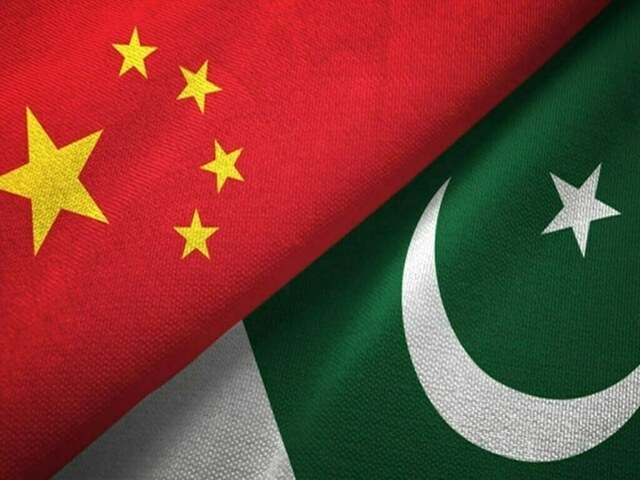
ISLAMABAD: A high-level Chinese delegation comprising experts from diverse fields is to visit Pakistan aiming at providing invaluable insights into the Chinese economic model, emphasising lessons that Pakistan can leverage for its own growth.

This was stated by a senior Chinese official while addressing a seminar titled, “Pakistan Economy & Growth: Learning from Chinese Experience,” organised by the Pakistan Institute of Development Economics (PIDE), here on Friday.

The seminar was attended by a high-level Chinese expert delegation.

Speaking on the occasion, the lead Chinese expert elaborated on China’s strategic investments in infrastructure, technology, and education, demonstrating how similar initiatives could yield significant benefits for Pakistan.

The event was aimed at marking a significant step towards enhancing economic collaboration between China and Pakistan.

By learning from China, Pakistan can develop strategies to overcome economic challenges and achieve sustainable growth. The seminar at PIDE provided a platform for discussing these lessons and adapting them to Pakistan’s context, paving the way for a prosperous future.

The expert highlighted that China’s economic rise from a developing nation to the world’s second-largest economy offers crucial lessons in various areas, including economic policies, infrastructure development, industrialisation, education, innovation, and governance.

By strategically investing in these sectors, Pakistan can replicate China’s success and drive its own economic growth, he said and added that in this context, a Chinese delegation comprising experts from economy, industry, agriculture, technology, healthcare, education, environmental science, urban planning, and more, will be visiting Pakistan. These experts bring a wealth of knowledge and experience from their respective domains, aiming to foster deeper collaboration and mutual growth. Their insights and recommendations are expected to play a crucial role in shaping the next phase of Pakistan’s development under the CPEC framework.

Effective governance and institutional reforms, including streamlined bureaucracy and anti-corruption measures, were critical to China’s development. Pakistan can adopt these reforms to improve governance, strengthen institutions, and enhance transparency. Emulating China’s policies, infrastructure investments, SEZs, human capital development, technological innovation, export promotion, and governance reforms can pave the way for Pakistan’s prosperity.

Representatives from all leading think tanks from all provinces of Pakistan participated in the seminar and emphasised the importance of skill development, industrial linkages, and technology transfer between China and Pakistan. Indeed, it is a great initiative by PIDE which aims to establish thought connectivity with China. We need more research collaborations and the sharing of ideas. China has much to teach us about policies and reforms. CPEC-II should include a component for shared and collaborative research.

During the event, the Chinese delegation engaged in meaningful discussions with representatives from Pakistani academia and think tanks. The discussions covered a broad range of topics, including economic policy, industrial development, and sustainable growth. The event provided a platform for the exchange of ideas, fostering a collaborative approach to addressing economic challenges.

Speaking on the occasion, PIDE’s Pro Vice Chancellor (VC) Dr Durre Nayab emphasised the importance of such interactions in fostering growth and development. She highlighted the need for adopting strategies that have propelled China to economic success, tailored to Pakistan’s unique context.

VC PIDE Dr Nadeemul Haque, discussed the critical need for policy reforms, investment in human capital, and fostering an innovation-driven economy.

Haque noted that the event aimed to explore lessons Pakistan can learn from China’s economic transformation, which provides insights into growth strategies, infrastructure development, industrialisation, and policy reforms applicable to Pakistan.

Haque emphasised that Pakistan is poised for a new era of economic growth and regional connectivity through the dynamic framework of the China-Pakistan Economic Corridor (CPEC). He highlighted that with a young, burgeoning population and a rapidly expanding middle class, Pakistan presents a compelling case for significant investment and development.

Pakistan’s demographic profile, with a median age of just 20.6 years and a labour force expanding by over three million annually, is a cornerstone of its growth potential. Haque noted that the projected growth rate of 7-8 per cent per annum is within reach with strategic reforms, positioning Pakistan as a future market leader. By 2030, Pakistan is expected to become the 7th largest consumer market globally, underscoring its vast potential.

He further stated that CPEC is not just an infrastructure project but a framework for regional connectivity. It aims to enhance geographical linkages through people-to-people contact, academic and cultural exchanges, and robust trade and business flows. The initiative promises to transform Pakistan into a logistical hub, driving industrial, agricultural, and financial cooperation, along with human resource development and tourism.

He pointed out that Pakistan is undergoing significant reforms to create a more investment-friendly environment. Moving from a permission-based to a rule-based economy, the government is addressing regulatory challenges that have historically hampered growth. The implementation of Regulatory Impact Assessments (RIAs) and the reduction of excessive permissions are crucial steps towards this transformation.

Haque noted that beyond infrastructure, CPEC opens up diverse opportunities for investment. Leading global corporations such as Pepsi-Cola, Coca-Cola, General Electric, and Procter and Gamble have already established a strong presence in Pakistan, collectively investing over $1.5 billion and generating $3 billion in revenues. The Special Economic Zones (SEZs) under CPEC offer further prospects for investment, particularly in the technology and manufacturing sectors.

He highlighted that Pakistan’s burgeoning market for electric vehicles (EVs) represents a significant growth area. With over 50 per cent of households owning motorbikes and a growing demand for cars, the market for 2- and 4-wheel EVs is set to expand rapidly. Initiatives to promote EVs and public transport in Islamabad are already underway, positioning Pakistan strategically as a hub for EV production for both local and export markets.

By learning from China, Pakistan can develop strategies to overcome economic challenges and achieve sustainable growth.

ISLAMABAD: A high-level Chinese delegation comprising experts from diverse fields is to visit Pakistan aiming at providing invaluable insights into the Chinese economic model, emphasising lessons that Pakistan can leverage for its own growth.

This was stated by a senior Chinese official while addressing a seminar titled, “Pakistan Economy & Growth: Learning from Chinese Experience,” organised by the Pakistan Institute of Development Economics (PIDE), here on Friday.

The seminar was attended by a high-level Chinese expert delegation.

Speaking on the occasion, the lead Chinese expert elaborated on China’s strategic investments in infrastructure, technology, and education, demonstrating how similar initiatives could yield significant benefits for Pakistan.

The event was aimed at marking a significant step towards enhancing economic collaboration between China and Pakistan.

By learning from China, Pakistan can develop strategies to overcome economic challenges and achieve sustainable growth. The seminar at PIDE provided a platform for discussing these lessons and adapting them to Pakistan’s context, paving the way for a prosperous future.

The expert highlighted that China’s economic rise from a developing nation to the world’s second-largest economy offers crucial lessons in various areas, including economic policies, infrastructure development, industrialisation, education, innovation, and governance.

By strategically investing in these sectors, Pakistan can replicate China’s success and drive its own economic growth, he said and added that in this context, a Chinese delegation comprising experts from economy, industry, agriculture, technology, healthcare, education, environmental science, urban planning, and more, will be visiting Pakistan. These experts bring a wealth of knowledge and experience from their respective domains, aiming to foster deeper collaboration and mutual growth. Their insights and recommendations are expected to play a crucial role in shaping the next phase of Pakistan’s development under the CPEC framework.

Effective governance and institutional reforms, including streamlined bureaucracy and anti-corruption measures, were critical to China’s development. Pakistan can adopt these reforms to improve governance, strengthen institutions, and enhance transparency. Emulating China’s policies, infrastructure investments, SEZs, human capital development, technological innovation, export promotion, and governance reforms can pave the way for Pakistan’s prosperity.

Representatives from all leading think tanks from all provinces of Pakistan participated in the seminar and emphasised the importance of skill development, industrial linkages, and technology transfer between China and Pakistan. Indeed, it is a great initiative by PIDE which aims to establish thought connectivity with China. We need more research collaborations and the sharing of ideas. China has much to teach us about policies and reforms. CPEC-II should include a component for shared and collaborative research.

During the event, the Chinese delegation engaged in meaningful discussions with representatives from Pakistani academia and think tanks. The discussions covered a broad range of topics, including economic policy, industrial development, and sustainable growth. The event provided a platform for the exchange of ideas, fostering a collaborative approach to addressing economic challenges.

Speaking on the occasion, PIDE’s Pro Vice Chancellor (VC) Dr Durre Nayab emphasised the importance of such interactions in fostering growth and development. She highlighted the need for adopting strategies that have propelled China to economic success, tailored to Pakistan’s unique context.

VC PIDE Dr Nadeemul Haque, discussed the critical need for policy reforms, investment in human capital, and fostering an innovation-driven economy.

Haque noted that the event aimed to explore lessons Pakistan can learn from China’s economic transformation, which provides insights into growth strategies, infrastructure development, industrialisation, and policy reforms applicable to Pakistan.

Haque emphasised that Pakistan is poised for a new era of economic growth and regional connectivity through the dynamic framework of the China-Pakistan Economic Corridor (CPEC). He highlighted that with a young, burgeoning population and a rapidly expanding middle class, Pakistan presents a compelling case for significant investment and development.

Pakistan’s demographic profile, with a median age of just 20.6 years and a labour force expanding by over three million annually, is a cornerstone of its growth potential. Haque noted that the projected growth rate of 7-8 per cent per annum is within reach with strategic reforms, positioning Pakistan as a future market leader. By 2030, Pakistan is expected to become the 7th largest consumer market globally, underscoring its vast potential.

He further stated that CPEC is not just an infrastructure project but a framework for regional connectivity. It aims to enhance geographical linkages through people-to-people contact, academic and cultural exchanges, and robust trade and business flows. The initiative promises to transform Pakistan into a logistical hub, driving industrial, agricultural, and financial cooperation, along with human resource development and tourism.

He pointed out that Pakistan is undergoing significant reforms to create a more investment-friendly environment. Moving from a permission-based to a rule-based economy, the government is addressing regulatory challenges that have historically hampered growth. The implementation of Regulatory Impact Assessments (RIAs) and the reduction of excessive permissions are crucial steps towards this transformation.

Haque noted that beyond infrastructure, CPEC opens up diverse opportunities for investment. Leading global corporations such as Pepsi-Cola, Coca-Cola, General Electric, and Procter and Gamble have already established a strong presence in Pakistan, collectively investing over $1.5 billion and generating $3 billion in revenues. The Special Economic Zones (SEZs) under CPEC offer further prospects for investment, particularly in the technology and manufacturing sectors.

He highlighted that Pakistan’s burgeoning market for electric vehicles (EVs) represents a significant growth area. With over 50 per cent of households owning motorbikes and a growing demand for cars, the market for 2- and 4-wheel EVs is set to expand rapidly. Initiatives to promote EVs and public transport in Islamabad are already underway, positioning Pakistan strategically as a hub for EV production for both local and export markets.

By learning from China, Pakistan can develop strategies to overcome economic challenges and achieve sustainable growth.

Tags: ChinaChinese delegationChinese economic modelCPECinvestmentsPakistanPakistan EconomyPIDEseminarSEZs
Share15Tweet10Send
Previous Post

Harris secures Democratic presidential nomination

Next Post

CM terms Sindh ‘energy basket’ for entire country

Related Posts

Bullish momentum at bourse, KSE-100 gains over 1,100 points in early trade
Business

Bullish momentum at bourse, KSE-100 gains nearly 900 points during intra-day

December 5, 2025
World’s top solar maker says local manufacturing not yet viable in Pakistan
Business

World’s top solar maker says local manufacturing not yet viable in Pakistan

December 5, 2025
US stocks lower after mixed jobs data
Business

US stocks lower after mixed jobs data

December 4, 2025
Saudi Arabia extends term for $3bn deposit placed with Pakistan for another year
Business

Saudi Arabia extends term for $3bn deposit placed with Pakistan for another year

December 4, 2025
Pakistan, Kyrgyzstan sign agreements to strengthen bilateral cooperation
Business

Pakistan, Kyrgyzstan sign agreements to strengthen bilateral cooperation

December 5, 2025
Intra-day update: rupee records gain against US dollar
Business

Intra-day update: rupee records gain against US dollar

December 4, 2025

Popular Post

  • FRSHAR Mail

    FRSHAR Mail set to redefine secure communication, data privacy

    126 shares
    Share 50 Tweet 32
  • How to avoid buyer’s remorse when raising venture capital

    33 shares
    Share 337 Tweet 211
  • Microsoft to pay off cloud industry group to end EU antitrust complaint

    54 shares
    Share 22 Tweet 14
  • Capacity utilisation of Pakistan’s cement industry drops to lowest on record

    47 shares
    Share 19 Tweet 12
  • SingTel annual profit more than halves on $2.3bn impairment charge

    47 shares
    Share 19 Tweet 12
American Dollar Exchange Rate
  • Advertise
  • Contact Us
  • Daily The Business
  • Privacy Policy
Write us: info@dailythebusiness.com

© 2021 Daily The Business

Welcome Back!

Login to your account below

Forgotten Password?

Retrieve your password

Please enter your username or email address to reset your password.

Log In

Add New Playlist

No Result
View All Result
  • Advertise
  • Contact Us
  • Daily The Business
  • Privacy Policy

© 2021 Daily The Business

This website uses cookies. By continuing to use this website you are giving consent to cookies being used. Visit our Privacy and Cookie Policy.