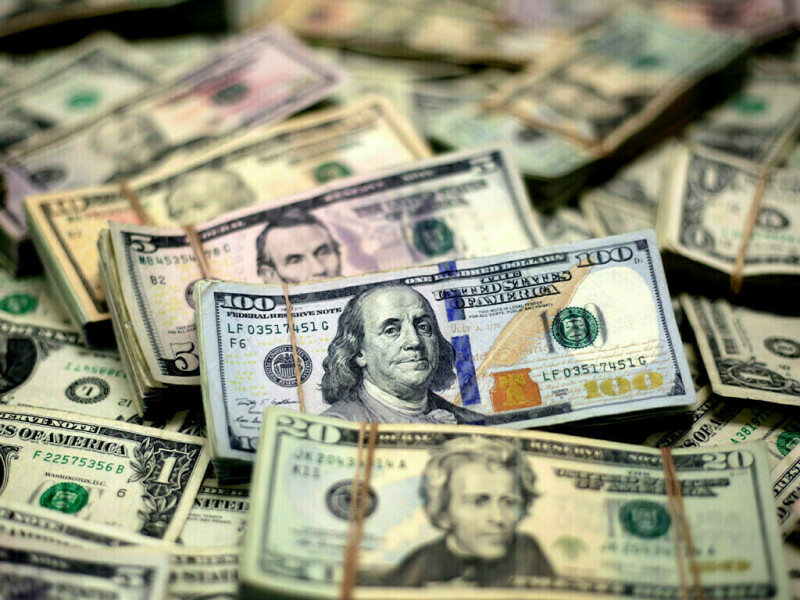
The Pakistani rupee remained largely stable against the US dollar, appreciating 0.01% during the opening hours of trading on Friday.
At 10:25am, the rupee was hovering at 279.78, a gain of Re0.04 against the greenback.
On Thursday, the rupee had closed at 279.82.
Internationally, the US dollar wallowed near a four-month low on Friday as ever-shifting tariff policies fanned uncertainty and increased concern about growth prospects for the world’s largest economy, leaving investors grasping for jobs data due later in the day.
Another reprieve of levies aimed at Mexico and Canada announced by US President Donald Trump on Thursday offered little relief, keeping the safe-haven yen not far off its strongest against the greenback since early October.
Against the Swiss franc, the US dollar dropped to a three-month low of 0.8820 franc in early trade.
The greenback also lost some ground against the Canadian dollar and Mexican peso.
The reprieve expires on April 2 when Trump says he will impose reciprocal tariffs on all US trading partners.
The US dollar index, which measures the greenback against six major rivals, fell 0.05% to 104.15.
Oil prices, a key indicator of currency parity, were little changed on Friday but were set for their biggest weekly decline since October as the uncertainty around US tariff policy is creating concerns about demand growth as major producers are set to increase output.
Brent futures rose 17 cents, or 0.24%, to $69.63 a barrel by 0315 GMT.
US West Texas Intermediate futures rose 12 cents, or 0.18%, to $66.48 a barrel. However, for the week Brent is down 4.9%, set for its biggest weekly decline since October 14.
WTI is set to drop 4.8%, its biggest weekly fall since that week.
Markets, including oil, have been whipsawed by fluctuating trade policy in the US, the world’s biggest oil consumer.
This is an intra-day update

The Pakistani rupee remained largely stable against the US dollar, appreciating 0.01% during the opening hours of trading on Friday.
At 10:25am, the rupee was hovering at 279.78, a gain of Re0.04 against the greenback.
On Thursday, the rupee had closed at 279.82.
Internationally, the US dollar wallowed near a four-month low on Friday as ever-shifting tariff policies fanned uncertainty and increased concern about growth prospects for the world’s largest economy, leaving investors grasping for jobs data due later in the day.
Another reprieve of levies aimed at Mexico and Canada announced by US President Donald Trump on Thursday offered little relief, keeping the safe-haven yen not far off its strongest against the greenback since early October.
Against the Swiss franc, the US dollar dropped to a three-month low of 0.8820 franc in early trade.
The greenback also lost some ground against the Canadian dollar and Mexican peso.
The reprieve expires on April 2 when Trump says he will impose reciprocal tariffs on all US trading partners.
The US dollar index, which measures the greenback against six major rivals, fell 0.05% to 104.15.
Oil prices, a key indicator of currency parity, were little changed on Friday but were set for their biggest weekly decline since October as the uncertainty around US tariff policy is creating concerns about demand growth as major producers are set to increase output.
Brent futures rose 17 cents, or 0.24%, to $69.63 a barrel by 0315 GMT.
US West Texas Intermediate futures rose 12 cents, or 0.18%, to $66.48 a barrel. However, for the week Brent is down 4.9%, set for its biggest weekly decline since October 14.
WTI is set to drop 4.8%, its biggest weekly fall since that week.
Markets, including oil, have been whipsawed by fluctuating trade policy in the US, the world’s biggest oil consumer.
This is an intra-day update








 American Dollar Exchange Rate