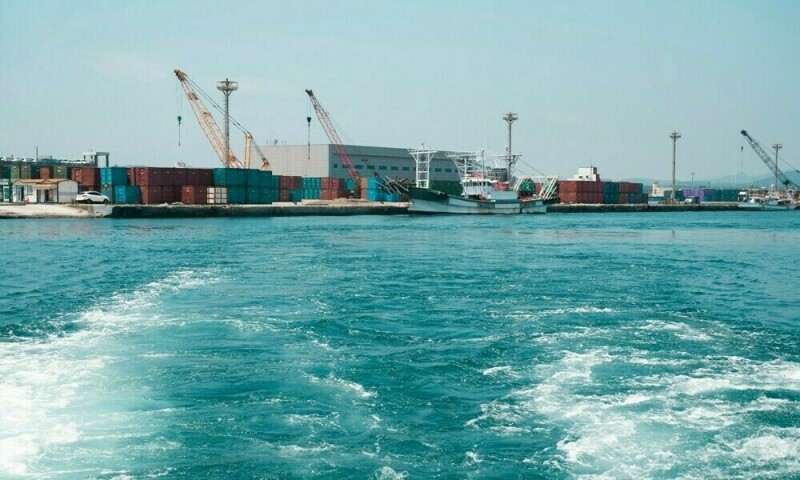
KARACHI: The modernisation of Pakistan’s maritime industry and the expansion of its blue economy depend heavily on strategic investment in port infrastructure —a sector that has unfortunately been overlooked in past for its development efforts.
Economic and Financial analyst Ateeq Ur Rehman stressed that prioritising port infrastructure upgrades, streamlining Customs procedures, and revitalising maritime operations is not just beneficial, but essential for the country’s economic resurgence.
Although recent years have seen some progress in the improvement of major ports, Ateeq pointed out that the sector still demands much more attention.
He calls for greater collaboration with multilateral and bilateral partners and emphasised the need for robust foreign direct investment (FDI). Investments are particularly needed for enhancing general harbor facilities — such as dredging, expanding berths, and increasing storage capacities—to enable ports to handle larger vessels, including mother ships, and to manage higher volumes of containerised and break bulk cargo.
One of the longstanding issues Pakistan faces is port congestion, which causes significant delays and raises operational costs.
To address this, Ateeq advocated for the development of smaller-scale “Mini Sea Ports” across the country. These facilities, when linked to major ports via a national logistics grid, could greatly ease congestion, improve cargo flow, and enhance maritime trade efficiency. He believes that Mini Sea Ports are vital not only for the smooth functioning of the port system but also for supporting regional economies, facilitating trade with neighboring countries and landlocked regions, and diversifying Pakistan’s shipping routes. In addition to easing congestion, Mini Sea Ports would contribute significantly to local economic development.
They would create jobs, encourage entrepreneurship, and support both imports and exports on a localised scale. However, developing these ports will require substantial investment in infrastructure, including berthing facilities, storage areas, and connecting roads. Ateeq highlighted the critical importance of securing government support and attracting both FDI and local investment to realise these projects.
He further notes that private sector involvement can be particularly rewarding. Investment in Mini Sea Ports, terminals, berths, and storage infrastructure not only addresses capacity constraints but also improves overall operational efficiency—making it a viable and profitable business venture.
International examples provide strong evidence of how Mini Sea Ports can thrive when developed with strategic focus and efficiency.
The Port of Hanko in Finland, though modest in size, is essential for vehicle imports and exports and operates year-round thanks to its ice-free location.
Slovenia’s Port of Koper serves as the country’s main maritime hub and is renowned for its efficient operations, sustainable practices, and strong rail connectivity. In Mexico, the Port of Progresso is a regional trade and tourism center, exporting seafood and agricultural products while also serving cruise liners.
The Port of Mombasa in Kenya, while not a mega-port, is East Africa’s busiest seaport and serves as a vital trade gateway for countries like Uganda and Rwanda.
Portugal’s Port of Sines, although smaller than many European ports, specializes in energy logistics and can accommodate large tankers, giving it a strategic edge.
These successful models demonstrate how Mini Sea Ports, when strategically planned and well-funded, can become essential economic assets. Pakistan has a valuable opportunity to replicate these successes by investing in its own network of Mini Sea Ports. Doing so will not only relieve pressure on its major ports but also unlock new trade corridors, stimulate local economies, and position the country as a competitive player in regional and global maritime trade.

KARACHI: The modernisation of Pakistan’s maritime industry and the expansion of its blue economy depend heavily on strategic investment in port infrastructure —a sector that has unfortunately been overlooked in past for its development efforts.
Economic and Financial analyst Ateeq Ur Rehman stressed that prioritising port infrastructure upgrades, streamlining Customs procedures, and revitalising maritime operations is not just beneficial, but essential for the country’s economic resurgence.
Although recent years have seen some progress in the improvement of major ports, Ateeq pointed out that the sector still demands much more attention.
He calls for greater collaboration with multilateral and bilateral partners and emphasised the need for robust foreign direct investment (FDI). Investments are particularly needed for enhancing general harbor facilities — such as dredging, expanding berths, and increasing storage capacities—to enable ports to handle larger vessels, including mother ships, and to manage higher volumes of containerised and break bulk cargo.
One of the longstanding issues Pakistan faces is port congestion, which causes significant delays and raises operational costs.
To address this, Ateeq advocated for the development of smaller-scale “Mini Sea Ports” across the country. These facilities, when linked to major ports via a national logistics grid, could greatly ease congestion, improve cargo flow, and enhance maritime trade efficiency. He believes that Mini Sea Ports are vital not only for the smooth functioning of the port system but also for supporting regional economies, facilitating trade with neighboring countries and landlocked regions, and diversifying Pakistan’s shipping routes. In addition to easing congestion, Mini Sea Ports would contribute significantly to local economic development.
They would create jobs, encourage entrepreneurship, and support both imports and exports on a localised scale. However, developing these ports will require substantial investment in infrastructure, including berthing facilities, storage areas, and connecting roads. Ateeq highlighted the critical importance of securing government support and attracting both FDI and local investment to realise these projects.
He further notes that private sector involvement can be particularly rewarding. Investment in Mini Sea Ports, terminals, berths, and storage infrastructure not only addresses capacity constraints but also improves overall operational efficiency—making it a viable and profitable business venture.
International examples provide strong evidence of how Mini Sea Ports can thrive when developed with strategic focus and efficiency.
The Port of Hanko in Finland, though modest in size, is essential for vehicle imports and exports and operates year-round thanks to its ice-free location.
Slovenia’s Port of Koper serves as the country’s main maritime hub and is renowned for its efficient operations, sustainable practices, and strong rail connectivity. In Mexico, the Port of Progresso is a regional trade and tourism center, exporting seafood and agricultural products while also serving cruise liners.
The Port of Mombasa in Kenya, while not a mega-port, is East Africa’s busiest seaport and serves as a vital trade gateway for countries like Uganda and Rwanda.
Portugal’s Port of Sines, although smaller than many European ports, specializes in energy logistics and can accommodate large tankers, giving it a strategic edge.
These successful models demonstrate how Mini Sea Ports, when strategically planned and well-funded, can become essential economic assets. Pakistan has a valuable opportunity to replicate these successes by investing in its own network of Mini Sea Ports. Doing so will not only relieve pressure on its major ports but also unlock new trade corridors, stimulate local economies, and position the country as a competitive player in regional and global maritime trade.








 American Dollar Exchange Rate