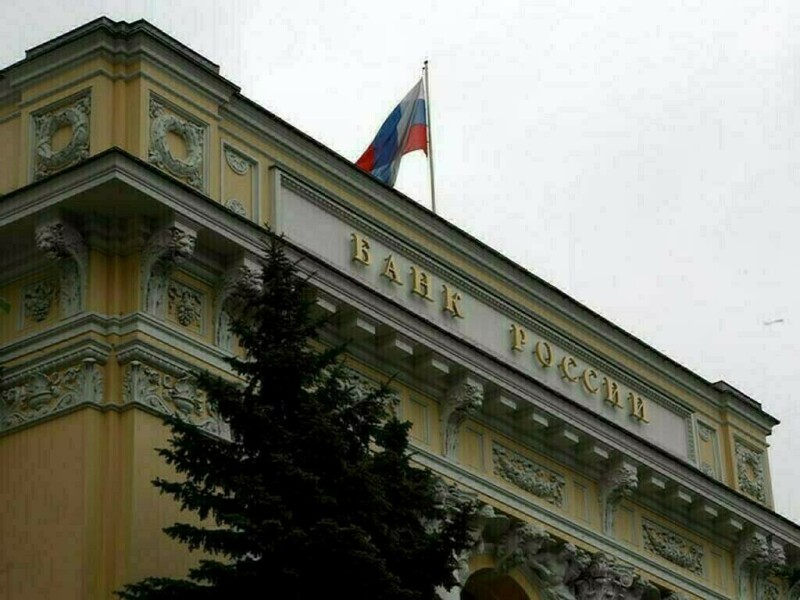
MOSCOW: The Russian central bank cut its key interest rate by one percentage point to 20% on Friday, saying economic growth is cooling down and inflation is slowing.
“Current inflationary pressures, including underlying ones, continue to decline. While domestic demand growth is still outstripping the capabilities to expand the supply of goods and services, the Russian economy is gradually returning to a balanced growth path,” the bank said in a statement.
A Reuters poll had predicted that the central bank would keep the key rate on hold. It had been at 21% since last October to curb inflation in the overheated economy, which is focused on the needs of the military fighting in Ukraine.
As a result, Russia’s economic growth rate fell to 1.5% year-on-year in the first four months of 2025, compared to 4.3% last year, prompting sharp criticism of central bank governor Elvira Nabiullina.
Consumer prices have risen by 3.39% since the start of the year, compared to 3.88% in the same period last year, while the annualised inflation rate fell below 10% in May after peaking at 10.34% in March.
The central bank forecasts inflation this year at 7% to 8% and economic growth at 1% to 2%. The Economy Ministry is more optimistic, predicting growth of 2.5%.
Russia central bank says current account surplus in January-April at $21.1bn
The strengthening of the rouble, which has rallied by about 40% against the dollar since the start of the year, has aided the central bank in its fight against inflation by making imported goods cheaper.
Its rise has been largely thanks to U.S. President Donald Trump’s efforts to bring Russia and Ukraine to the negotiating table. But most analysts agree that without any sign of a breakthrough in the talks, the rouble is waiting for a trigger to start falling.
“Tight monetary policy has a particularly strong effect on the decrease in prices for non-food goods, including through the rouble appreciation,” the central bank said.
Inflationary expectations among households, an important gauge monitored by the central bank, rose for a second month in a row in May to a level last observed around the time of the last rate hike in October.
Some analysts have linked the rise in inflationary expectations to a planned mid-year nationwide increase in payments for electricity, gas, water, and communal services for households, suggesting that the regulator might ignore the gauge this time.
Food inflation, with prices for staples like potatoes tripling since last year due to a poor harvest, has severely affected Russia’s poor. The harvest outlook for this year will heavily influence the central bank’s thinking.
“As for food products and services, inflationary pressures remain high,” the bank said.
The tight monetary policy, with the key rate at its highest level since the early 2000s and also the highest among major economies in the BRICS group, has made loans and debt financing, and therefore investment, inaccessible for many Russian firms.
The central bank counters this by saying that its research shows enterprises in most sectors make enough profits to finance their investments and that the situation even in vulnerable sectors, such as construction, does not pose systemic risks.
 American Dollar Exchange Rate