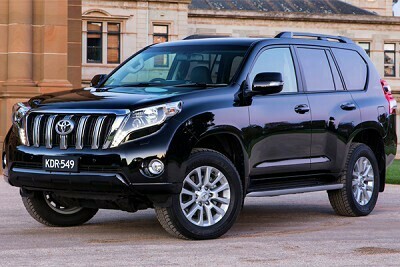
In a revealing fiscal projection, the Sindh government has said it will collect Rs9.35 billion in motor vehicle registration fees in the outgoing fiscal year ending June 30, 2025. That is more than double the Rs4 billion to be collected from income tax on the province’s vast agriculture sector, according to budget documents.
The figures highlight a long-standing wealth imbalance, suggesting people who are classified in middle and upper agriculture income brackets and rural elite earn and spend significantly on their lifestyle, but their tax contributions remain surprisingly low. The situation has resulted in a climbing tax burden on tax compliant industrial and services sectors as well as individuals earning salaries from non-agriculture sectors.
The provincial government is set to collect comparatively higher revenue from motor vehicle registration fees despite the fact that the tax is charged at lower rates — ranging from 1% to 5% of the value of vehicles, depending on engine size.
In contrast, agriculture income is taxed at significantly higher rates, from 15% to 45%, effective January 1, 2025. Additionally, a super tax of 1% to 10% applies to high agricultural incomes, while corporate farming is taxed at rates between 20% and 29%.
Agriculturists remain minimal contributors to provincial tax revenues
During the first half of FY25 (July–December), the applicable agriculture income tax ranged from 5% to 15%. Yet, agriculturists continue to contribute disproportionately little to provincial tax revenues.
Agriculture remains a big source of income for almost half of the total provincial population (55.7 million) living in rural areas including poor farmers, landlords and individuals as well as businesses engaged in large-scale agricultural production including livestock.
Muhammad Abrar Polani, an auto analyst at Arif Habib Limited, estimated that some 40% of the total vehicles sold nationwide are purchased by the people living in rural areas across the country.
People living in rural Sindh buy around 40% of the total sold in the province.
Other analysts said car purchasing is at peak in rural areas at the time of harvesting winter and summer crops, as well as around Eid-ul-Adha when farmers sell livestock mainly in urban centers.
Hamdan Ahmed, an auto analyst at Optimus Capital Management, said in a commentary this week that agriculture season and development (PSDP/public sector development programme) spending fueled volumes growth in sale of passenger cars, SUVs (Sports Utility Vehicles) and LCVs (Light Commercial Vehicles) in May 2025.
Auto sales (excluding tractors, buses and 2/3 wheelers) improved 38% year-on-year to 15,396 units in May, “supported by the easing of highway closures from last month’s canal protests, PSDP spending in the last months of FY25, (and) ‘wheat harvest’ despite pre-budgetary expectations.”
Numbers reveal deeper reality
As cars continue to fill garages in rural Sindh while collection of revenue in income tax on agriculture remain significantly low, the province’s fiscal data tells a deeper story — of wealth that’s visible on roads, but not reflected in the tax rolls.
Latest estimates suggest the share of agriculture in Pakistan’s gross domestic product stands at around 23.54% in FY25, while its share in revenue in taxes remained around 1%. Since agriculture income tax remains a provincial subject, Federal Finance Minister Muhammad Aurangzeb said the provinces have done legislation for income tax on agriculture, expecting a significant increase in collections in the next fiscal year starting July 1, 2025.
In contrast to Aurangzeb’s projection, the Sindh government has targeted to collect Rs8 billion income tax on agriculture at in the next fiscal year (FY26) starting July 1, 2025. This is still low compared to the motor vehicle registration fees to be collected at Rs9.35 billion in both outgoing FY25 and upcoming FY26.
All four provincial governments have legislated agriculture income tax recently in compliance with the federal government commitment with International Monetary Fund (IMF) to increase tax collection to Rs14.307 trillion (10.7% of GDP). The Sindh government, however, criticized the federal government for the commitment, saying it should have taken provinces into confidence before making such promises.
The agriculture income tax is projected to make agriculture produces expensive, as people belonging to the sector may pass on the tax impact to end-consumers, it was learnt.
A major portion of the motor vehicle registration fee was earned from passenger cars, SUVs and LCVs segment, according to Sindh’s Excise, Taxation and Narcotics Control Department, which collects the fee in the range of 1% to 5% of the value of the vehicle. The department books small collections from the registration of tractors at Rs2,000/unit and motorcycles in range of 0.5% to 2% of the value of the two-wheelers.
 American Dollar Exchange Rate