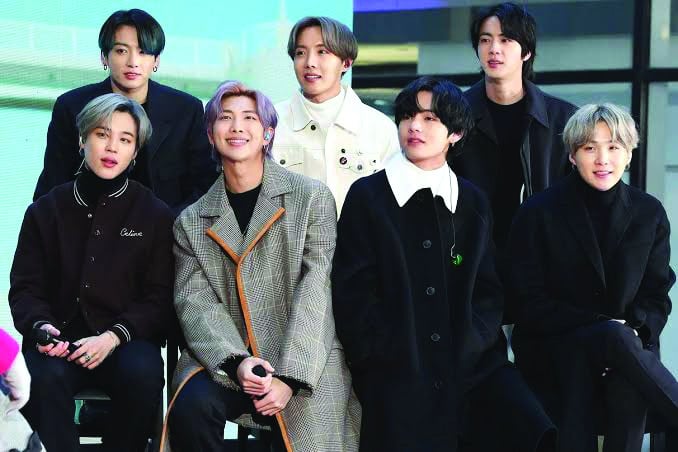
ARMY celebrates group’s return with powerful campaign
K-pop megaband BTS is back from military service, and their international fandom — long known for its progressive activism — is celebrating by rallying behind a cause: adoptees from South Korea.
Now Asia’s fourth-largest economy and a global cultural powerhouse, the idols’ native South Korea remains one of the biggest exporters of adopted babies in the world, having sent more than 140,000 children overseas between 1955 and 1999.
The country only recently acknowledged, after years of activism by adult adoptees, that the government was responsible for abuse in some such adoptions of local children, including record fabrication and inadequate consent from birth parents.
The septet’s fandom, dubbed ARMY, is known for backing causes like Black Lives Matter and ARMY4Palestine, and launched the #ReuniteWithBTS fundraising project last week to support Korean adoptees seeking to reconnect with or learn about their birth families, which can be a painful and legally tricky process.
Almost all of BTS members have completed South Korea’s mandatory military service, required of all men due to the country’s military tensions with North Korea.
“We are celebrating both the reunion of BTS and ARMY, and BTS members being able to reunite with their own family and friends,” the BTS fan group behind the initiative, One In An ARMY, told AFP.
“Helping international adoptees reunite with their birth country, culture, customs and families seemed like the perfect cause to support during this time.”
The fans are supporting KoRoot, a Seoul-based organisation that helps Korean adoptees search for their records and birth families and which played a key role in pushing for the government to recognise adoption-related abuses.
Peter Moller, KoRoot’s co-representative, told AFP it was “very touching” that the BTS fans had taken up the cause, even though “they’re not even adoptees themselves”.
For many adoptees, seeing Korean stars in mainstream media has been a way for them to find “comfort, joy, and a sense of pride” in the roots that they were cut off from, KoRoot’s leader Kim Do-hyun added.
Soft power
BTS, who have discussed anti-Asian hate crimes at the White House and spoken candidly about mental health, have long been considered one of the best examples of South Korea’s soft power reach.
For years, Korean adoptees — many of whom were adopted by white families globally — have advocated for their rights and spoken out about encountering racism in their host countries.
Some adoptees, such as the high-profile case of Adam Crapser, were later deported to South Korea as adults because their American parents never secured their US citizenship.
Many international adoptees feel their immigration experience has been “fraught”, Keung Yoon Bae, a Korean studies professor at Georgia Institute of Technology, told AFP.
 American Dollar Exchange Rate