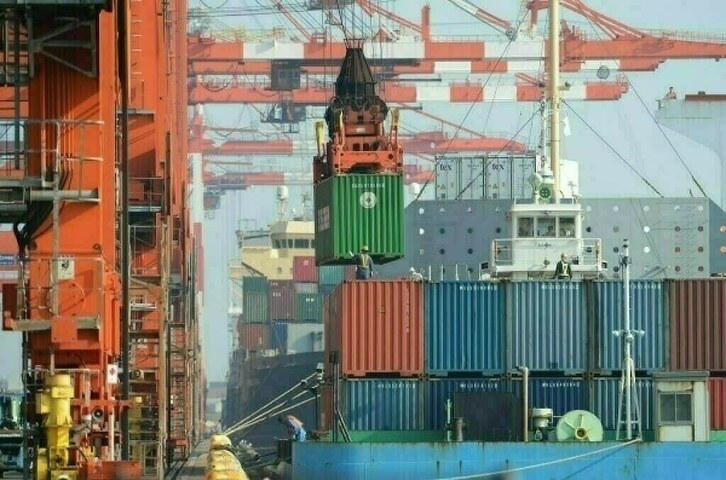
LAHORE: Pakistan has incurred a staggering loss of USD 1 billion in agro-exports during the first half of 2025 (January–June), as compared to the same period in 2024, a situation that demands urgent intervention through the establishment of a ‘Commodity Price and Export Commission’. This proposed body would monitor domestic production, match it with consumption needs, and recommend export strategies for surplus commodities.
Pakistan Kissan Ittehad (PKI) President Khalid Mahmood Khokhar, while addressing a press conference at the Lahore Press Club, said the country witnessed a 70 percent decline in maize exports, 69 percent in bananas, 40 percent in mangoes, and 31 percent in onions and garlic during the first half of the year. He claimed that farmers collectively suffered losses worth PKR 1,264 billion, with maize and rice alone accounting for nearly PKR 1,000 billion.
Khokhar pointed to a drastic fall in commodity prices that has slashed farmers’ incomes and weakened their purchasing power. Wheat prices have dropped from Rs 3,900 to Rs 2,200 per maund, maize from Rs 2,900 to Rs 1,900, and cotton from Rs 7,700 to Rs 6,700. At the same time, the prices of essential agricultural inputs, particularly fertilizers, have surged since 2022, leaving many small and medium-sized farmers unable to apply recommended doses. Fertilizer off take has declined by 29 percent for nitrogen-based fertilizers and by 15 percent for phosphates. He added that vegetable growers also suffered heavy losses, with onion prices plunging by more than 55 percent.
Khokhar lamented that Pakistan’s cotton production has continued to collapse. According to the Economic Survey 2024–25, cotton output dropped by 30.7 percent – the worst performance in nearly a decade. To meet the demands of the textile industry, the country imported 854,263 metric tons of ginned cotton in the first half of 2025, incurring an import bill of USD 1.66 billion. He compared the current situation to the early 2010s when cotton production peaked at 14.8 million bales and exports reached 1.1 million bales, while imports remained between 200,000 and 500,000 bales. In contrast, cotton production has now fallen below 7.5 million bales and may drop below 4 million bales this year due to rain-induced damage in Sindh and Punjab. He said only 1.3 million bales have arrived at ginning factories so far, and the fiber quality has also suffered due to heavy rains.
Expressing deep frustration, Khokhar said farmers were working harder but earning less. He said that fertilizers were unaffordable, diesel was eating into profits, and the government was offering no relief. He blamed the crisis in part on the delay in announcing the wheat support price, which negatively affected not only wheat but also cotton cultivation.
He alleged that the ongoing crisis was a result of neglected agricultural research, poor marketing mechanisms, and erratic pricing and subsidy policies. He criticized the minimal public investment in agriculture despite its key role in employment generation and contribution to GDP. According to him, there has been a persistent lack of focus on innovation, extension services, and climate resilience.

LAHORE: Pakistan has incurred a staggering loss of USD 1 billion in agro-exports during the first half of 2025 (January–June), as compared to the same period in 2024, a situation that demands urgent intervention through the establishment of a ‘Commodity Price and Export Commission’. This proposed body would monitor domestic production, match it with consumption needs, and recommend export strategies for surplus commodities.
Pakistan Kissan Ittehad (PKI) President Khalid Mahmood Khokhar, while addressing a press conference at the Lahore Press Club, said the country witnessed a 70 percent decline in maize exports, 69 percent in bananas, 40 percent in mangoes, and 31 percent in onions and garlic during the first half of the year. He claimed that farmers collectively suffered losses worth PKR 1,264 billion, with maize and rice alone accounting for nearly PKR 1,000 billion.
Khokhar pointed to a drastic fall in commodity prices that has slashed farmers’ incomes and weakened their purchasing power. Wheat prices have dropped from Rs 3,900 to Rs 2,200 per maund, maize from Rs 2,900 to Rs 1,900, and cotton from Rs 7,700 to Rs 6,700. At the same time, the prices of essential agricultural inputs, particularly fertilizers, have surged since 2022, leaving many small and medium-sized farmers unable to apply recommended doses. Fertilizer off take has declined by 29 percent for nitrogen-based fertilizers and by 15 percent for phosphates. He added that vegetable growers also suffered heavy losses, with onion prices plunging by more than 55 percent.
Khokhar lamented that Pakistan’s cotton production has continued to collapse. According to the Economic Survey 2024–25, cotton output dropped by 30.7 percent – the worst performance in nearly a decade. To meet the demands of the textile industry, the country imported 854,263 metric tons of ginned cotton in the first half of 2025, incurring an import bill of USD 1.66 billion. He compared the current situation to the early 2010s when cotton production peaked at 14.8 million bales and exports reached 1.1 million bales, while imports remained between 200,000 and 500,000 bales. In contrast, cotton production has now fallen below 7.5 million bales and may drop below 4 million bales this year due to rain-induced damage in Sindh and Punjab. He said only 1.3 million bales have arrived at ginning factories so far, and the fiber quality has also suffered due to heavy rains.
Expressing deep frustration, Khokhar said farmers were working harder but earning less. He said that fertilizers were unaffordable, diesel was eating into profits, and the government was offering no relief. He blamed the crisis in part on the delay in announcing the wheat support price, which negatively affected not only wheat but also cotton cultivation.
He alleged that the ongoing crisis was a result of neglected agricultural research, poor marketing mechanisms, and erratic pricing and subsidy policies. He criticized the minimal public investment in agriculture despite its key role in employment generation and contribution to GDP. According to him, there has been a persistent lack of focus on innovation, extension services, and climate resilience.






 American Dollar Exchange Rate