Experts disagree over landmark ban keeping teens safe online
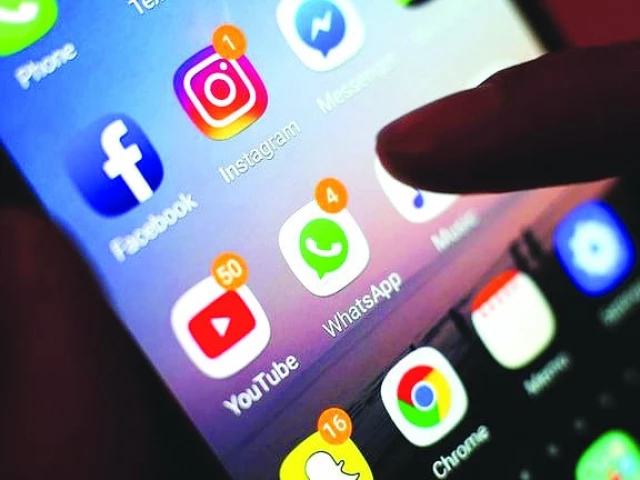
When Australia’s government decided to implement a world-first national youth social media ban, it was pitched as an antidote to a growing mental health crisis.
As per DW, it followed intense debate about the dangers of social media, much articulated in the book, The Anxious Generation, by Jonathan Haidt. The American social psychologist argues that smartphone-based childhoods and social media are helping to fuel an epidemic of mental illness among teenagers.
As the ban was passed in the Australian Parliament in November 2024, one poll revealed overwhelming support among 77 per cent of Australians. The plan to fine TikTok, Facebook, Snapchat, Reddit, X, Instagram and now YouTube, 49.5 million Australian dollars (€27.7 million, $32.3 million) for failing to block young people was supported by 87 per cent of those surveyed. Underage social media users and their parents will not be punished for any violations under the law.
Social media companies, including Elon Musk’s X, were predictably unimpressed with a ban that many concede will also be difficult to police.
“It’s entirely likely the ban could see young people pushed to darker corners of the internet where no community guidelines, safety tools or protections exist,” said a TikTok spokesperson when the bill was passed.
The Australian social media ban partly seeks to protect young people from the cyberbullying, disinformation and illegal content that has riddled social media platforms. But some experts doubt whether prohibition is an antidote to deteriorating youth mental health.
Complex crisis
Marilyn Campbell, a professor in the School of Early Childhood and Inclusive Education at the Queensland University of Technology who writes on cyberbullying, warns that little research establishes a “causal” connection between social media and psychological health.
“We know that there’s a high correlation between the rise of new technologies and the increase in young people’s poorer mental health,” she said. “But we don’t even know why yet.”
One 2023 study sampling social media use in 72 countries found “no evidence suggesting that the global penetration of social media is associated with widespread psychological harm.”
Campbell noted that though populist psychology works like The Anxious Generation merely draw a correlation between rising youth anxiety and depression and social media use, they have been heavily hyped in the media. Building on the popularity of these ideas, the government is now pursuing a “nice, simple solution,” she told DW.
“You don’t have to spend any money on it,” she said of the ban. “It’s not complicated.”
Researchers at the University of Queensland note that the limited understanding of how social media impacts young people’s mental health means other influences need to be considered, such as rising “social inequity,” “climate anxiety” and “gendered violence.”
Campbell suggested that instead of focusing on social media, governments need to “reform the mental health system,” adding that “many more school counsellors and school psychologists” would help.
“There are lots of things that they could do but that cost money,” she added.
 American Dollar Exchange Rate