

JAKARTA: Malaysian palm oil futures fell on Friday and posted a marginal weekly loss, as traders booked profits ahead of a long holiday weekend, while a stronger ringgit and weak demand weighed on sentiment.
The benchmark palm oil contract for November delivery on the Bursa Malaysia Derivatives Exchange lost 9 Malaysian ringgit, or 0.2%, to 4,445 ringgit ($1,058.33) at closing.
The contract is down 0.07% for the week.
“The stronger Ringgit and absence of fresh destination demand, mainly India, has seen pressuring the prices and the market entered in the negative territory,” said Anilkumar Bagani, commodity research head at Mumbai-based brokerage Sunvin Group.
Indonesia could raise the mandatory palm oil content in its biodiesel to 45% (B45) before shifting to B50, local media cited the country’s energy minister Bahlil Lahadalia as saying on Friday.
Indonesia handed over 674,178 hectares (1.7 million acres) of palm oil plantations to state firm Agrinas Palma Nusantara on Friday, taking to 1.5 million hectares (3.7 million acres) the total area of land given to the company.
A Kuala Lumpur-based trader said the futures is cashing out from the recent rally on the back of softer Dalian, weak Malaysian Palm Oil Board (MPOB) data, export slowdown and the coming long holiday.
The market will be closed on September 15-16 for a public holiday.
Palm rises on stronger rival oils, crude
Malaysia’s palm oil stocks surged to a 20-month high in the end-August data from the MPOB showed, while exports of Malaysian palm oil products in the September 1-10 period fell between 1.2% and 8.4% from the same period a month ago, cargo surveyor said earlier this week.
Dalian’s most-active soyoil DBYcv1 and palm oil contracts were last up 0.36% and 0.24%, respectively. Soyoil prices on the Chicago Board of Trade (CBOT) BOc2gained 0.25%.
Palm oil tracks the price movements of rival edible oils as it competes for a share of the global vegetable oils market.
The ringgit palm’s currency of trade, strengthened 0.45% against the dollar, making the commodity more expensive for buyers holding foreign currencies.
Palm oil may extend gains to 4,506 ringgit per metric ton, as a flat pattern might be developing, Reuters technical analyst Wang Tao said.


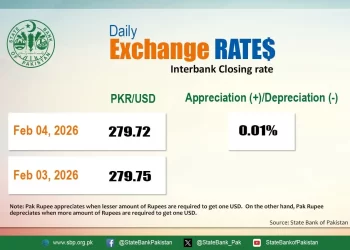





 American Dollar Exchange Rate