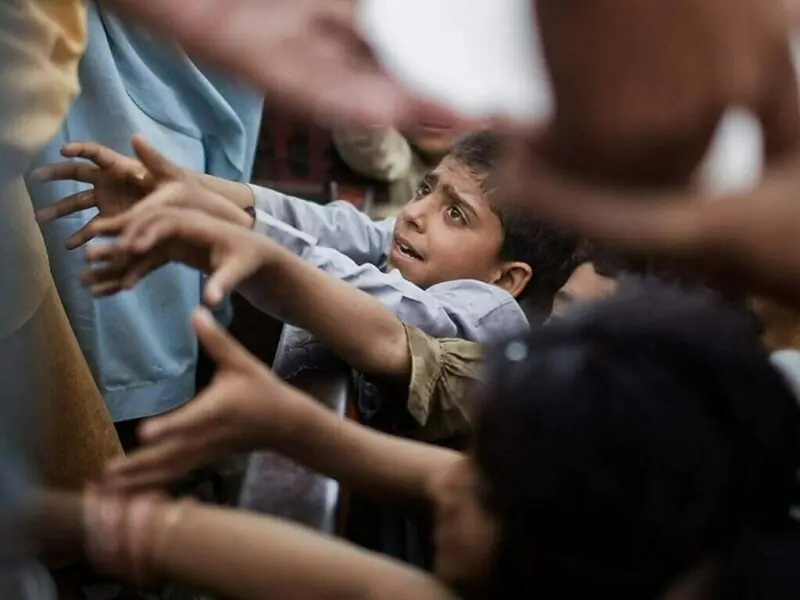

Pakistan’s decades-long progress in poverty reduction has halted and reversed since 2020, as compounding shocks—including COVID-19, inflation, floods, and economic stress—have exposed the limits of a consumption-driven growth model, according to a new World Bank report that urged sustained, people-centred reforms to protect vulnerable households and restore momentum.
According to the World Bank report titled Reclaiming Momentum Towards Prosperity, Pakistan’s once-promising poverty reduction trajectory has come to a troubling halt, reversing years of hard-fought gains.
“After dramatically reducing poverty from 64.3% in 2001 to 21.9% in 2018—declining by 3 percentage points annually until 2015 before slowing to less than 1 percentage point per year—recent compounding shocks have pushed poverty rates back up to a projected 25.3% by 2023/24,” the report said.
The World Bank was of the view that the economic model that delivered early wins “has reached its limits, with 14% of the population in 2018 remaining vulnerable to falling back into poverty when faced with shocks”.
Moreover, compounding crises—COVID-19, economic instability, devastating floods, and record-high inflation—have further exposed systemic weaknesses, leaving many in low-productivity activities and unable to cope with these challenges.
“It will be critical to protect Pakistan’s hard-won poverty gains while accelerating reforms that expand jobs and opportunities—especially for women and young people,” said Bolormaa Amgaabazar, World Bank Country Director for Pakistan.
“By focusing on results—investing in people, places, and access to opportunities; building resilience against shocks; prioritising fiscal management; and developing better data systems for decision-making—Pakistan can put poverty reduction back on track.”
World Bank approves 10-year Country Partnership Framework
The World Bank noted that the growth model that supported initial poverty reduction has proven insufficient to sustain progress.
The assessment finds that over the past two decades, poverty reduction in Pakistan was primarily driven by rising non-agricultural labour income, as more households shifted away from farm work to low-quality service jobs.
However, slow and uneven structural transformation has hindered diversification, job creation, and inclusive growth. As a result, low productivity across sectors has constrained income growth. Over 85% of jobs remain informal, and women and youth remain largely excluded from the labour force.
The report also highlights human capital gaps: nearly 40% of children are stunted; one-quarter of primary-school-aged children are out of school; and 75% of children who do attend primary school cannot read and understand a simple story by the end of the primary cycle.
Public service deficits are widespread, with only half of all households having safely managed access to drinking water in 2018, and 31% lacking safe sanitation.
“Progress in poverty reduction is threatened by structural vulnerabilities,” said Christina Wieser, Senior Economist and one of the lead authors of the report. “Reforms that expand access to quality services, protect households from shocks, and create better jobs—especially for the bottom 40%—are essential to break cycles of poverty and deliver durable, inclusive growth.”
The World Bank noted that bold policy reforms are now essential to address structural imbalances, prevent sliding back into poverty during shocks, and tackle the persistent challenges in remote areas.
“While government initiatives such as BISP, Bait-ul-Mal, the National Poverty Graduation Programme and Poverty Alleviation Fund have provided critical support to the poorest households and strengthened coping mechanisms, these safety nets cannot substitute for structural policy shifts that address the root causes of poverty,” it said.
World Bank said that strengthening the foundations for sustainable economic growth—through comprehensive structural reforms that ensure macro-fiscal stability and foster private-sector-led development—serves as the essential underpinning for any policy pathway toward long-term prosperity.
“The first pathway focuses on strategic investments in people, places, and access to opportunities by addressing the human capital crisis, investing in public services, creating new opportunities, and strengthening local governance, starting in disadvantaged and remote districts.
“The second pathway focuses on building resilience. Protecting people against shocks and economic hardship requires enhancing the responsiveness of social safety nets like BISP and making the National Socio-Economic Registry more inclusive to better protect vulnerable populations during future shocks,” read the report.
Third, adopt progressive fiscal measures by improving municipal
finance, phasing out inefficient and wasteful subsidies, and prioritising targeted investments for the poorest. Finally, invest in timely data systems to guide decisions, target resources, and track results.







 American Dollar Exchange Rate