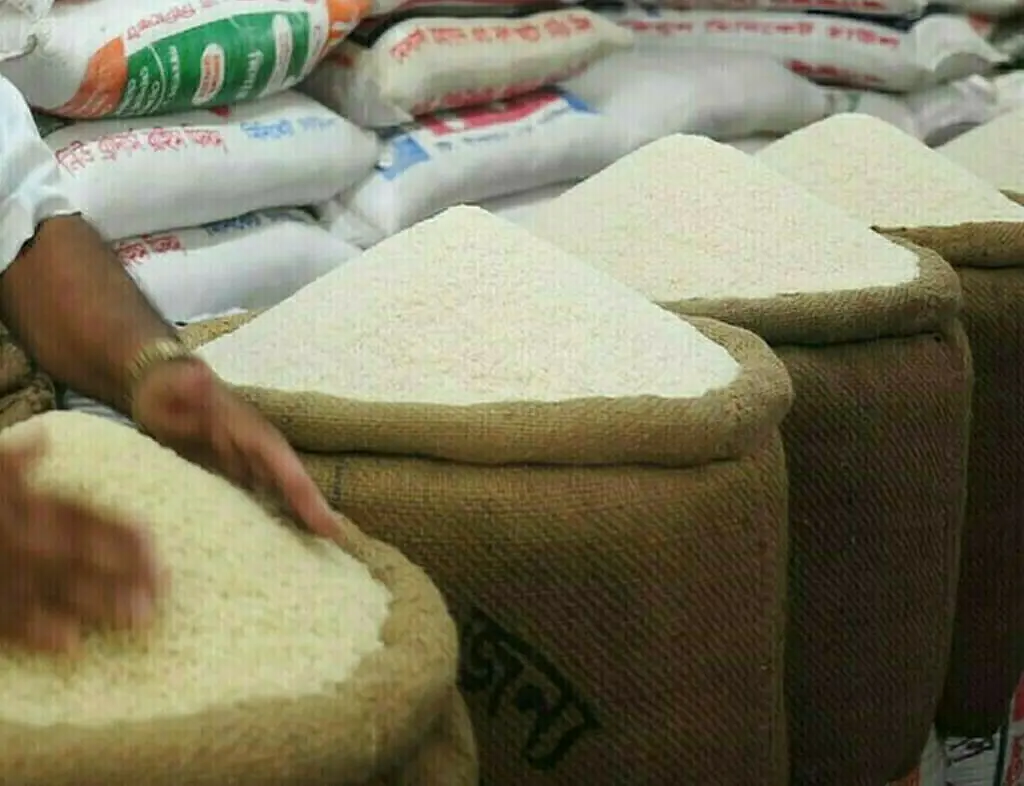

Vietnam’s rice export prices hit an eight-month high this week as supplies tightened, while Indian prices held steady and Thai prices declined due to surplus stocks, with demand stable across regions.
Vietnam’s 5% broken rice was offered at $455-$460 per metric ton on Thursday, its highest level since early January, according to the Vietnam Food Association.
“Supplies are tight while demand remains steady, before the Philippines’ 60-day rice import suspension taking effect,” said a trader based in Ho Chi Minh City.
The Vietnam Food Association said this week it has no objections to the Philippine’s move to suspend rice imports for 60 days starting September 1, adding that it is “entirely under the authority of the Philippine government”.
The association urged exporters to take “proactive measures to ensure sustainable exporting activities”.
India’s 5% broken parboiled variety was quoted at $371-$376 per ton, unchanged from the last week. Indian 5% broken white rice was priced at $363 to $369 per ton this week.
Asia rice: Vietnam rates rise on low domestic supplies; improved demand lifts India prices
“Overseas buyers are slowly increasing purchases as they realise prices have bottomed out,” said a Mumbai-based dealer.
Thailand’s 5% broken rice dropped to $355 from a range of $365 to $370 last week due to excess supply, traders said.
India is said to be releasing another 20 million tonnes and buyers are waiting for the additional supply, a Bangkok-based trader said.
Another trader warned that prices could fall further, adding, “supply is good in every country, but demand is the same. Customers are only buying what is needed.”
Thailand is hoping to meet its rice export target of 7.5 million metric tons this year by seeking more deals in markets where demand is strong, commerce ministry official said on Tuesday.
Meanwhile, domestic rice prices in Bangladesh remain elevated despite record reserves of food grains, particularly rice and paddy.
Food ministry officials reported that nearly 2.25 million metric tons of rice are currently stored in government warehouses across the country.








 American Dollar Exchange Rate