

SYDNEY: The Australian and New Zealand dollars gained on the yen on Friday after the Bank of Japan raised interest rates to a 30-year high in a widely telegraphed move, though the two currencies were still down against the US dollar for the week.
The BOJ raised short-term interest rates to 0.75% from 0.5% following a unanimous vote, and warned of more policy tightening if the economy moved in line with projections.
The focus now shifts to BOJ Governor Kazuo Ueda’s press conference at 0630 GMT, which will lay out the future interest rate path. However, the knee-jerk reaction was to sell the yen, with the Aussie up 0.4% to 103.2 yen.
The kiwi rose 0.2% to 90 yen.
“This has been well flagged and is consistent with inflation being more in line with the 2% inflation target,” said Shane Oliver, chief economist at AMP.
“The next hike is likely 6-9 months away, and Japanese rates are still too low and rising too slowly to cause a big reversal of the so-called carry trade.”
The Antipodeans rallied briefly overnight after US consumer price inflation slowed sharply in November, but have since unwound gains as analysts cautioned the data were clearly distorted lower by the government shutdown.
Against the dollar, the Aussie was flat at $0.6610, having hit a high of $0.6646 overnight before retracing the gains to finish just 0.1% higher.
Support lies at $0.6592 and $0.6580.
For the week, it is down 0.7%.
Markets are still wagering on at least one rise to the Reserve Bank of Australia’s 3.6% cash rate next year, with a move in February priced at 25%, rising to 45% from March and 75% for May.
Minutes from the RBA’s December policy meeting are due next week and will provide some colour around the board’s deliberations about a possible future tightening and its concerns about inflation.
The kiwi dollar was off 0.1% to $0.5768, having finished Thursday little changed.
For the week, it is also down 0.7%.



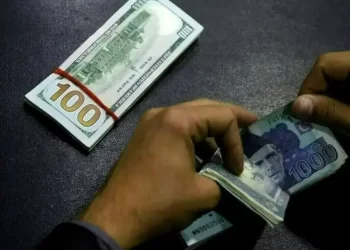




 American Dollar Exchange Rate