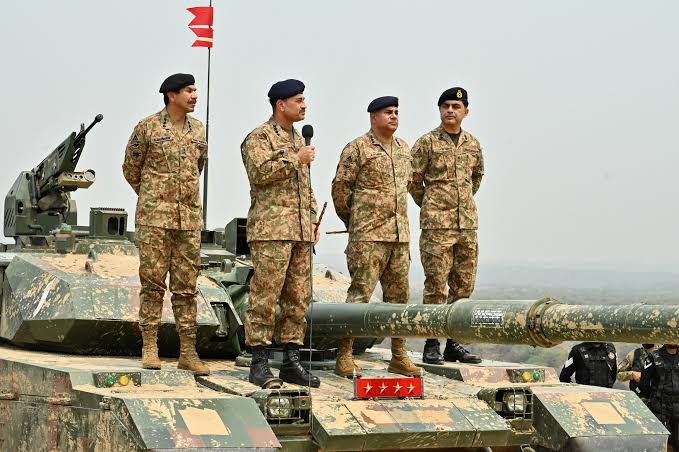
Pakistan has become a more visible and active player in the global weapons and defence market after signing defence agreements worth nearly $10 billion during the 2024–25 period.
This sharp rise in military exports came from major defence deals with countries such as Libya, Azerbaijan, Iraq, and Saudi Arabia. Under these agreements, Pakistan supplied a range of defence equipment, including JF-17 fighter jets, Super Mushshak training aircraft, air defence systems, and other military hardware.
One of the most important developments was a multi-billion-dollar defence deal with Libya, which significantly boosted overall export figures. At the same time, expanded aircraft sales to Azerbaijan, especially in the aviation sector, also played a major role in achieving this record level of defence exports.
Experts say Pakistan’s success is largely due to its growing focus on locally manufactured defence products, which are often more affordable compared to similar systems from Western countries. In addition, strong military-to-military relations, defence diplomacy, and competitive pricing have helped Pakistan attract international buyers.
Analysts believe that by investing in indigenous technology, research, and production, Pakistan is gradually strengthening its defence industry and reducing reliance on imports. This strategy is also improving the country’s standing in regional and global defence markets, opening the door for future contracts and long-term partnerships.
Overall, the recent defence deals reflect Pakistan’s increasing confidence and capability in producing reliable military equipment, positioning the country as an emerging exporter in the international defence industry.






 American Dollar Exchange Rate