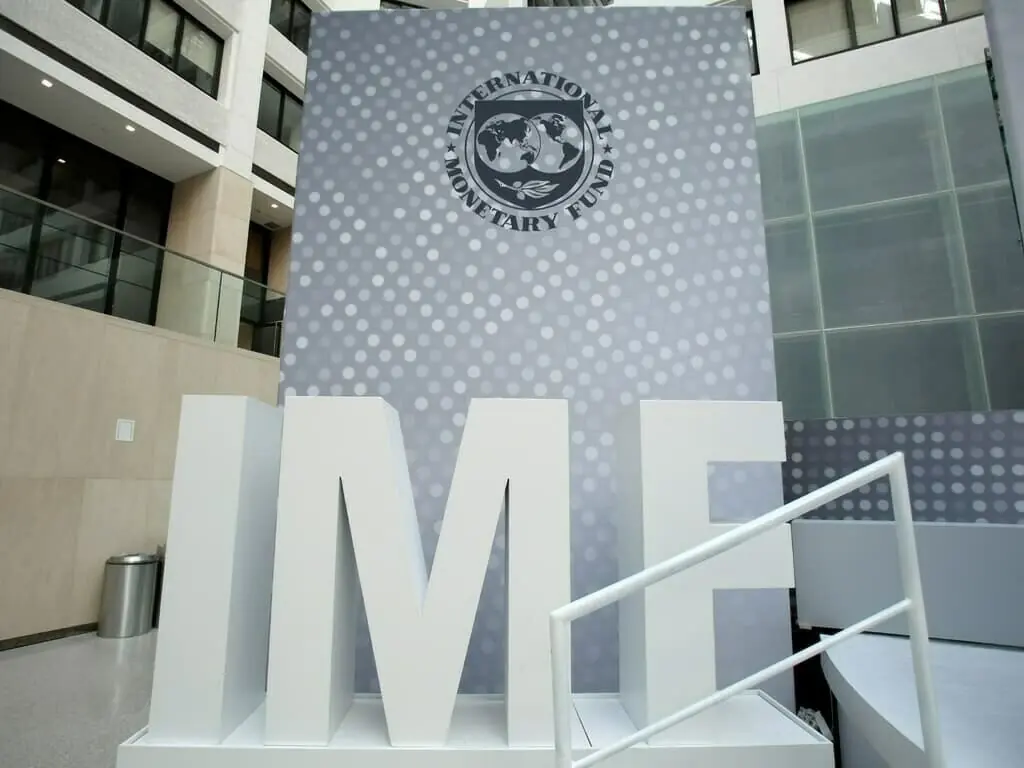

The Federation of Pakistan Chambers of Commerce & Industry (FPCCI) welcomed on Saturday the newly reached Staff-Level Agreement (SLA) between Pakistan and the International Monetary Fund (IMF) for the disbursement of approximately $1.2 billion.
President of the FPCCI Atif Ikram Sheikh termed the agreement “a vital step toward sustaining macroeconomic stability“.
He commended the development, noting that the unlocking of $1 billion under the Extended Fund Facility (EFF) and $210 million under the Resilience and Sustainability Facility (RSF) will provide much-needed breathing room for the economy.
“The agreement will bolster our foreign exchange reserves; rebuild market confidence and send a positive signal to international rating agencies and bilateral partners,” he said.
Sheikh, however, noted that stabilisation alone was not the finish line.
The government must urgently pivot its focus toward fostering robust, inclusive industrial growth by addressing the structural bottlenecks that continue to stifle the private sector, he added.
Sheikh highlighted that, while the apex trade body expresses relief over the successful continuation of the IMF program, FPCCI leadership demands incentivization of the business, industry and trade community as it is currently operating under immense pressure due to high operational costs and geopolitical uncertainties.
The president maintained that, to capitalise on the economic buffer provided by the IMF agreement, FPCCI urges the government to immediately prioritise reforms aimed at facilitating trade and industry, and “as the first step, a significant reduction in the policy rate, which is meaningful and immediate, can help boost the investor and business confidence”.
He reiterated that, instead of further squeezing the regular taxpayers, broadening the tax base should be the key policy consideration – and, revenue mobilisation efforts “must focus on bringing untaxed sectors into the net rather than burdening the already compliant and law-abiding business community”.
Meanwhile, Senior Vice President (SVP) of FPCCI Saquib Fayyaz Magoon expressed concerns on the external threats facing the economy, noting that escalating military tensions in the Middle East and surging global freight costs are severely endangering Pakistan’s trade outlook.
READ MORE: ME situation casts a cloud over IMF talks
“In the face of these global supply chain disruptions and fuel price volatility, domestic economic policies must act as a shock absorber – not an additional burden on our exporters,” he said.
“FPCCI reaffirms its commitment to serving as a constructive partner to the government. The apex body stands ready to assist in drafting evidence-based policies that promote an enabling environment for sustainable industrial expansion, export growth and business climate resilience.”
Upon approval by the IMF Executive Board, Pakistan will have access to about US$1.0 billion (SDR 760 million) under the EFF and about US$210 million (SDR 154 million) under the RSF, bringing total disbursements under the two arrangements to about US$4.5 billion, according to the latest IMF statement.
The staff-level agreement is subject to approval by the IMF Executive Board.








 American Dollar Exchange Rate