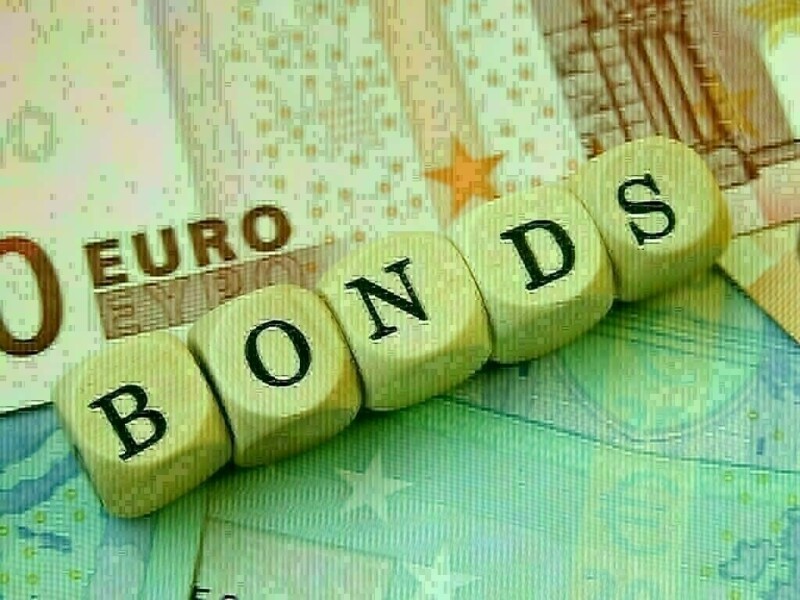
LONDON: German 10-year government bond yields briefly hit their highest since early April on Monday after U.S. President Donald Trump said on Saturday he would impose a 30% tariff on most imports from the European Union from August 1.
In an escalation of a trade war that has angered U.S. allies and rattled investors, Trump announced his latest tariffs in separate letters to European Commission President Ursula von der Leyen and Mexican President Claudia Sheinbaum that were posted on his Truth Social media site on Saturday.
Benchmark Bund yields rose to as much as 2.733% in early trading, their highest since April 1, a day before Trump’s original “Liberation Day” tariff reveal. They retreated to hold steady on Friday’s close at 2.726%.
Thirty-year yields traded around 3.236%, up around 1 basis point on the day and within sight of their highest since mid-March.
“The latest tariff threats of 30% on EU goods are above the upper end of the recently discussed ranges, but with negotiations still progressing until the 1 August deadline, any risk-off and subsequent support for Bunds looks set to be limited at best,” Commerzbank rates strategist Hauke Siemssen said.
Euro zone bond yields inch higher as traders await tariff news
“After all, Trump has repeatedly threatened substantial tariffs but extended deadlines in the subsequent days. The threats over the weekend can therefore probably be considered well in line with Trump’s usual playbook,” he said.
For its part, the EU has already prepared a list of tariffs worth 21 billion euros ($24.5 billion) on U.S. goods if the two countries fail to reach a trade deal, Italian Foreign Minister Antonio Tajani said in a newspaper interview on Monday.
French 10-year bond yields edged up to 3.417%, while 30-year yields rose 1.5 bps to 4.216%, after President Emmanuel Macron on Sunday announced a plan to push forward defence spending, pledging to double the military budget by 2027, three years earlier than originally planned. His government is already struggling to make 40 billion euros in savings in its 2026 budget.

LONDON: German 10-year government bond yields briefly hit their highest since early April on Monday after U.S. President Donald Trump said on Saturday he would impose a 30% tariff on most imports from the European Union from August 1.
In an escalation of a trade war that has angered U.S. allies and rattled investors, Trump announced his latest tariffs in separate letters to European Commission President Ursula von der Leyen and Mexican President Claudia Sheinbaum that were posted on his Truth Social media site on Saturday.
Benchmark Bund yields rose to as much as 2.733% in early trading, their highest since April 1, a day before Trump’s original “Liberation Day” tariff reveal. They retreated to hold steady on Friday’s close at 2.726%.
Thirty-year yields traded around 3.236%, up around 1 basis point on the day and within sight of their highest since mid-March.
“The latest tariff threats of 30% on EU goods are above the upper end of the recently discussed ranges, but with negotiations still progressing until the 1 August deadline, any risk-off and subsequent support for Bunds looks set to be limited at best,” Commerzbank rates strategist Hauke Siemssen said.
Euro zone bond yields inch higher as traders await tariff news
“After all, Trump has repeatedly threatened substantial tariffs but extended deadlines in the subsequent days. The threats over the weekend can therefore probably be considered well in line with Trump’s usual playbook,” he said.
For its part, the EU has already prepared a list of tariffs worth 21 billion euros ($24.5 billion) on U.S. goods if the two countries fail to reach a trade deal, Italian Foreign Minister Antonio Tajani said in a newspaper interview on Monday.
French 10-year bond yields edged up to 3.417%, while 30-year yields rose 1.5 bps to 4.216%, after President Emmanuel Macron on Sunday announced a plan to push forward defence spending, pledging to double the military budget by 2027, three years earlier than originally planned. His government is already struggling to make 40 billion euros in savings in its 2026 budget.





 American Dollar Exchange Rate