Ole Schwander/Getty Images
- OpenClaw is having a cultural moment across the US and China.
- From lobster hats to claw poses, users are building identity and community around the AI agent.
- Experts told BI that virality is driving adoption and fostering a sense of belonging among users.
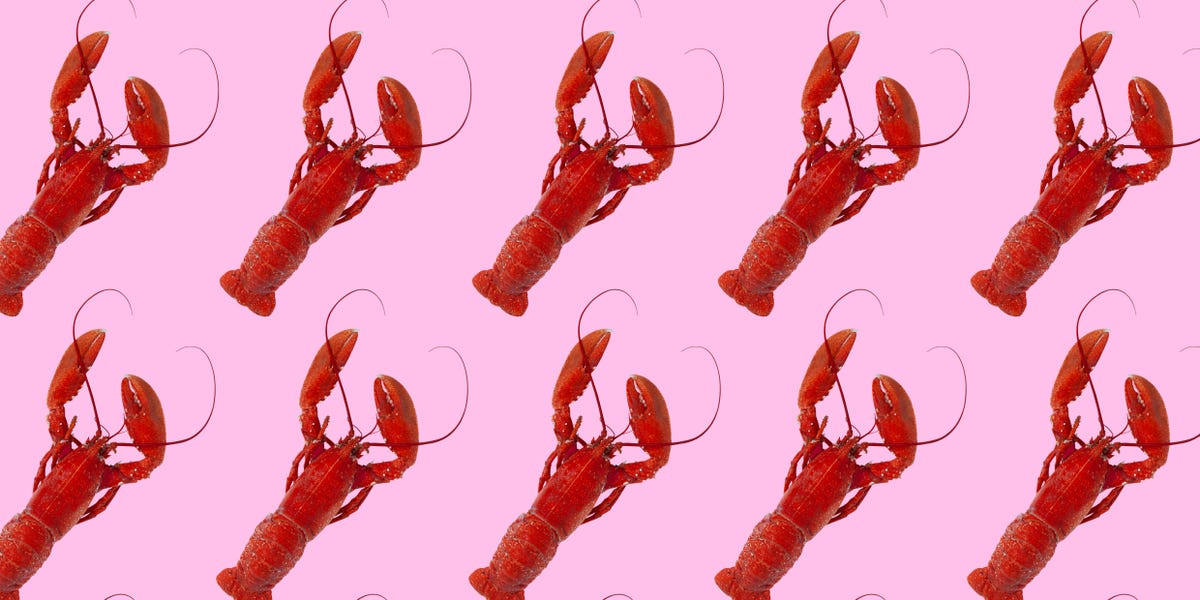
The hottest accessory in tech right now is a lobster.

They're showing up everywhere: perched on heads as plush hats, frozen midair in claw-hand poses, even ending up on dinner plates in celebration of the OpenClaw hype.
In a February episode of the "Y Combinator" podcast, CEO Garry Tan appeared in a full lobster suit while talking about the rise of OpenClaw and MoltBook. One of the firm's managing partners had their face covered with a lobster mask.
It's all part of the strange, fast-moving culture around the AI agent that has taken Silicon Valley and Chinese internet circles by storm.
Lobster hats
Lobster hats and headbands have become the unofficial uniform for OpenClaw devotees.
Peter Steinberger, the creator of OpenClaw, helped popularize it. He showed up at Nvidia's annual GTC event wearing a lobster headband.
"The best people in this world don't take themselves too seriously," one user commented in response to an X post of Steinbeger wearing the headband.
At ClawCon in New York, Business Insider's Henry Chandonnet saw attendees sporting lobster headbands, claws jutting out.
The same trend has taken hold in China. At OpenClaw meetups, fans show up in lobster hats and headbands.
Claws up
One thing I never expected to see on LinkedIn or X: engineers posing with claw hands.
An engineer who works on OpenClaw, Vincent Koc, posted a photo on X of himself, claws up, with Steinberger and an Nvidia employee.
"Finished shipping at 2am at @nvidia for GTC alongside @steipete, to sleep and repeat another crazy week in AI. But most importantly a huge upgrade to the claw coming soon," he wrote.
In another X post, Carol Lin, CEO of Chinese AI firm Z.ai, shared a group photo with employees lined up with Steinberger, hands curled into pincers.
"Stay clawing," one comment read.
Call it the tech world's version of "saranghaeyo" — the Korean finger-heart gesture — except this one comes with claws.
Lobster buffets
The obsession doesn't stop at costumes and poses. It shows up on the menu.
At OpenClaw meetups in Shenzhen, organisers have served piles of lobsters to attendees.
One Chinese AI startup posted photos of a team cooking lobster hotpot-style on RedNote.
"We ate three lobsters right in front of OpenClaw!" the post read. The team had even asked the AI agent what it thought about cooking them.
Back in New York, Business Insider's Henry Chandonnet reported a towering spread of lobster tails at ClawCon. Attendees ate them up.
'People want to feel like they're part of something'
Experts told Business Insider that OpenClaw's internet moment is helping users feel like they're part of something bigger.
"People aren't just evaluating the tool based on its technical merits. They're drawn to the culture around it," said Lionel Sim, founder of AI research firm The AI Capitol.
The now-familiar symbols — lobster hats, claw-hand poses, even the phrase "raising the lobsters" — weren't dreamed up by a marketing team, Sim said. They emerged organically from users, and that kind of endorsement carries weight, he added.
"It feels personal and genuine," he said. "Most people aren't going to read a white paper or sit through a demo. But they will pay attention when someone they trust seems genuinely excited about something."
Sim said this cultural moment reflects a broader shift in how new technologies spread.
"There's an emotional layer now. People want to feel like they're part of something, not just using something," Sim added.
In China, it is important to note the broader national push for full-on AI integration, said Fan Yang, who researches digital media and contemporary China. Public enthusiasm for new tools is often visible at large-scale expos in cities like Shenzhen and Hangzhou, she added.
"The viral trends prompted by DeepSeek back in 2025 and OpenClaw recently speak to this cultural environment that encourages the speedy adoption of new technologies," she said.
DeepSeek made waves in early 2025 for its cost efficiency, quickly turning its founder, Liang Wenfeng, into an internet celebrity in China. Netizens hailed him as a "genius" and the "AI hero of Guangdong," and a surge of national pride followed. Chinese tech circles were quick to embrace the tool.
In that context, using new tools can signal China's broader technological rise — a marker of innovation and progress, Yang said.
Still, experts caution that the hype can be fleeting.
Sim said attention tends to fade if the product doesn't deliver. What stands out about OpenClaw is that its cultural momentum appears to reinforce real utility.
"Raising lobsters" sounds playful, but what it really means is that someone has configured a personal AI agent that handles real tasks for them every day," he said. "The substance is there."
"That said, no company should mistake a cultural wave for a permanent advantage," he added.
Yang added that the surge in attention can also invite more critical scrutiny, with some users already warning against blindly adopting the technology.
Do you have a story to share about tech in China? Contact this reporter at cmlee@businessinsider.com.






 American Dollar Exchange Rate