

ISLAMABAD: The Towel Manufacturers Association of Pakistan (TMA), representing the country’s export-oriented towel manufacturers and textile exporters, has issued a strong alert over the recent unprecedented increase in fuel prices, with petrol rising by 43 percent and diesel by 55 percent.
TMA stresses that this record surge poses an alarming threat to the stability, competitiveness, and growth of Pakistan’s export sector, a vital pillar of the national economy that generates foreign exchange, sustains industrial activity, and supports millions of jobs.
Chairman of TMA, Ather Bari, explained that the impact of this fuel price shock is far-reaching and immediate. Rising input costs will significantly strain manufacturers, as production of towels and other textiles depends heavily on energy-intensive processes and consistent availability of raw materials.
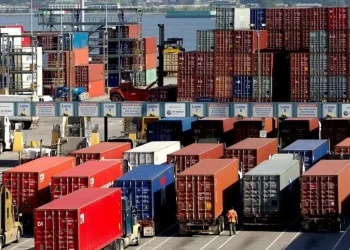
Transportation and logistics costs are also set to surge, raising the cost of moving goods to domestic and international markets. These escalations will directly increase export prices, making Pakistani products less competitive in global markets and risking the loss of long-term clients. The combined effect endangers not only the viability of export operations but also the livelihoods of thousands of workers and small- and medium-sized enterprises across the sector.
In light of these challenges, TMA Chairman urges the government to provide immediate fiscal relief to the export sector. Specifically, the association recommends reducing the minimum export withholding tax for exporters and indirect exporters from 1 percent to 0.5 percent.
Additionally, the 1 percent advance income tax should be temporarily suspended for a period of one year, or until petroleum product prices stabilize and return to their previous levels. These measures will help exporters manage the sudden surge in production and transportation costs, maintain competitiveness in international markets, and ensure continuity of operations during this period of extraordinary economic pressure. Implementing such targeted relief will safeguard jobs, protect the livelihoods of thousands of workers, and support Pakistan’s broader export-led growth strategy.
Chairman Ather emphasized that without urgent government intervention, Pakistan’s exporters face declining orders, shrinking market share, and potential long-term damage to international reputation. To mitigate this crisis and sustain the momentum of the “Make in Pakistan” initiative, TMA urges the government to implement a comprehensive and structured support strategy. This should include targeted fuel rebates or weighted subsidies for registered exporters, financial relief for logistics providers handling export-bound goods, and a shift from unpredictable energy pricing to a stable, transparent, and predictable model, enabling exporters to plan and honour long-term international contracts with confidence.
Chairman Ather Bari stated, “This historic fuel price hike represents a critical threat to Pakistan’s export sector, jobs, and economic stability. Immediate and decisive action is essential. Supporting our exporters is not only about sustaining industrial output but also about safeguarding foreign exchange, preserving employment, and maintaining Pakistan’s competitive position in global markets. A well-structured support mechanism will ensure exporters continue to operate efficiently and contribute to the national economy without facing sudden cost shocks.”
TMA strongly calls on the Cabinet Division and relevant authorities to act without delay, implement targeted relief measures, and provide a clear roadmap for consistent energy and industrial policies. Timely action is critical to protect the competitiveness, sustainability, and long-term growth of Pakistan’s export sector, ensuring manufacturers can continue to produce high-quality goods and meet global demand in a challenging economic environment.
Copyright media, 2026



 American Dollar Exchange Rate