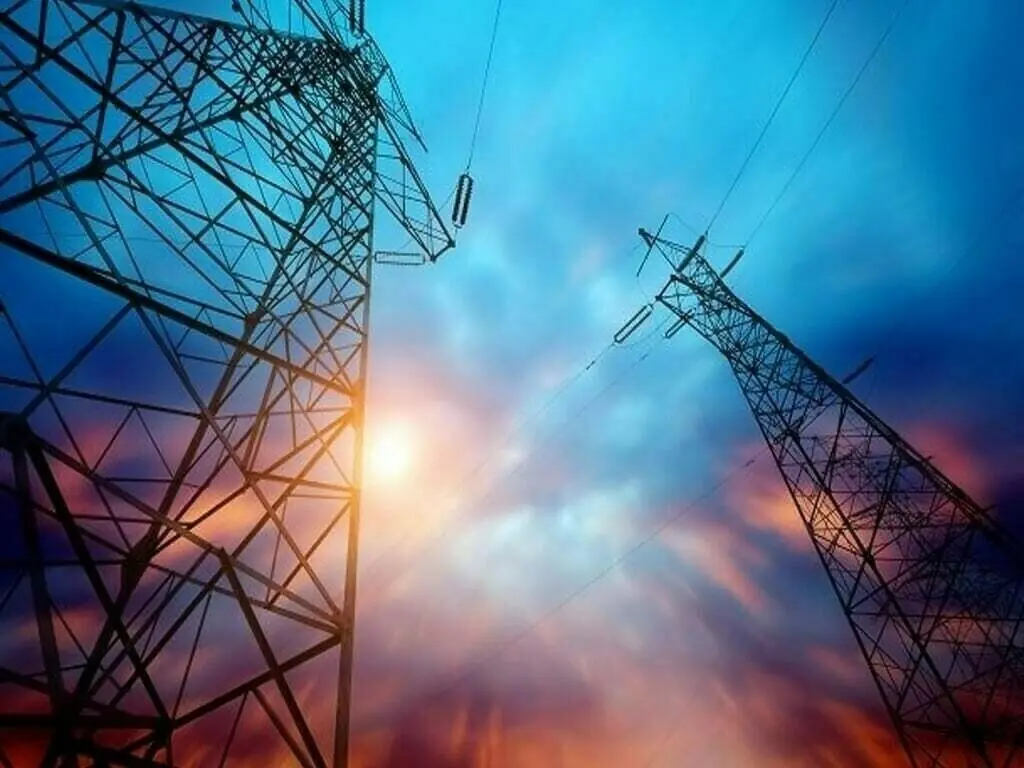
ISLAMABAD: Pakistan’s fragile electricity transmission and distribution (T&D) system is not only constraining the growth of solar energy but is also significantly fueling the country’s circular debt crisis, with excess losses adding PKR 265 billion to the debt in FY2024-25 alone.
According to a study by the Competition Commission of Pakistan (CCP), transmission and distribution losses stood at 17.55 percent during FY2024-25, significantly exceeding the regulator’s allowed threshold of 11.43 percent. This gap reflects both technical inefficiencies and commercial losses, including electricity theft and weak bill recoveries.
The study highlights that the country’s power grid—originally designed for centralised, conventional energy—lacks the flexibility and technological sophistication required to integrate variable renewable energy (VRE), particularly solar. As solar adoption accelerates, especially through on-grid and net-metering systems, the mismatch between generation trends and grid readiness is emerging as a serious structural bottleneck.
The financial implications are severe. Electricity that is generated but not recovered translates into a revenue shortfall for distribution companies, limiting their ability to pay power producers. This unpaid cost accumulates across the supply chain, ultimately adding to the circular debt burden.
“Every unit of electricity lost in the system is effectively an unpaid liability,” the study notes, adding that such inefficiencies distort price signals, weaken market discipline, and undermine the financial sustainability of the power sector.
Another critical constraint identified by the CCP is the limited capacity of transmission infrastructure, particularly in regions with high solar potential. Congestion on existing transmission lines is restricting new utility-scale solar projects from securing grid interconnection approvals, slowing down investment and expansion in the sector.
At the distribution level, the report notes that networks in many urban and semi-urban areas remain outdated and technically weak, making them ill-equipped to handle distributed generation such as rooftop solar. Concerns over “back-feeding” — where excess electricity flows from consumer-installed solar systems into the grid—have led distribution companies (DISCOs) to adopt overly cautious and restrictive approaches toward net metering and interconnection approvals.
These limitations, the study observes, disproportionately affect small-scale solar providers and household consumers, raising barriers to entry and undermining the broader objective of expanding clean and competitive energy markets.
The CCP warns that without urgent investment in grid modernisation — including smart metering, automation, and upgraded transmission infrastructure—Pakistan risks deepening inefficiencies while simultaneously slowing its transition to clean energy.
The report further notes that a weak and inflexible grid reduces market contestability by creating barriers for new entrants, particularly in the renewable energy space, thereby discouraging private investment.
With over 350,000 net-metering consumers and growing utility-scale solar projects, the pressure on the existing grid is expected to intensify. However, without parallel improvements in infrastructure, increased solar penetration may exacerbate operational challenges rather than resolve them.

ISLAMABAD: Pakistan’s fragile electricity transmission and distribution (T&D) system is not only constraining the growth of solar energy but is also significantly fueling the country’s circular debt crisis, with excess losses adding PKR 265 billion to the debt in FY2024-25 alone.
According to a study by the Competition Commission of Pakistan (CCP), transmission and distribution losses stood at 17.55 percent during FY2024-25, significantly exceeding the regulator’s allowed threshold of 11.43 percent. This gap reflects both technical inefficiencies and commercial losses, including electricity theft and weak bill recoveries.
The study highlights that the country’s power grid—originally designed for centralised, conventional energy—lacks the flexibility and technological sophistication required to integrate variable renewable energy (VRE), particularly solar. As solar adoption accelerates, especially through on-grid and net-metering systems, the mismatch between generation trends and grid readiness is emerging as a serious structural bottleneck.
The financial implications are severe. Electricity that is generated but not recovered translates into a revenue shortfall for distribution companies, limiting their ability to pay power producers. This unpaid cost accumulates across the supply chain, ultimately adding to the circular debt burden.
“Every unit of electricity lost in the system is effectively an unpaid liability,” the study notes, adding that such inefficiencies distort price signals, weaken market discipline, and undermine the financial sustainability of the power sector.
Another critical constraint identified by the CCP is the limited capacity of transmission infrastructure, particularly in regions with high solar potential. Congestion on existing transmission lines is restricting new utility-scale solar projects from securing grid interconnection approvals, slowing down investment and expansion in the sector.
At the distribution level, the report notes that networks in many urban and semi-urban areas remain outdated and technically weak, making them ill-equipped to handle distributed generation such as rooftop solar. Concerns over “back-feeding” — where excess electricity flows from consumer-installed solar systems into the grid—have led distribution companies (DISCOs) to adopt overly cautious and restrictive approaches toward net metering and interconnection approvals.
These limitations, the study observes, disproportionately affect small-scale solar providers and household consumers, raising barriers to entry and undermining the broader objective of expanding clean and competitive energy markets.
The CCP warns that without urgent investment in grid modernisation — including smart metering, automation, and upgraded transmission infrastructure—Pakistan risks deepening inefficiencies while simultaneously slowing its transition to clean energy.
The report further notes that a weak and inflexible grid reduces market contestability by creating barriers for new entrants, particularly in the renewable energy space, thereby discouraging private investment.
With over 350,000 net-metering consumers and growing utility-scale solar projects, the pressure on the existing grid is expected to intensify. However, without parallel improvements in infrastructure, increased solar penetration may exacerbate operational challenges rather than resolve them.







 American Dollar Exchange Rate