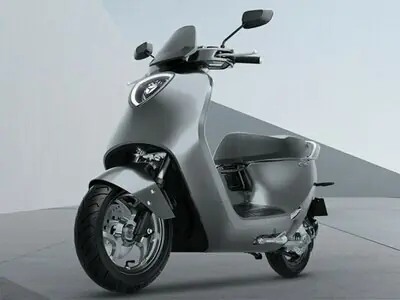

KARACHI: Auto sector experts have urged the government to give EV motorbike assemblers the options to install either graphene or lithium-ion phosphate batteries in EV scooters, and let the consumer decide what they want. This will allow the EV industry grow and evolve, they said.
Currently, the Punjab government is asking EV bike assemblers to install lithium-ion phosphate batteries, believing them to be safer and more durable.
Graphene vs lithium-iron phosphate
There are generally four kinds of batteries being installed in EV bikes these days globally: lead acid, graphene, lithium-ion phosphate and lithium.
Graphene batteries are an emerging technology that enhances lithium-ion cells by incorporating graphene into the electrodes. This improves conductivity, charging speed, and heat dissipation, allowing for much faster charging and potentially higher energy density than conventional chemistries.
For electric scooters, this means lighter batteries, shorter charging times, and longer riding ranges. However, graphene batteries are still relatively new, expensive to manufacture, and not widely available at a commercial scale.
Lithium iron phosphate batteries, on the other hand, are already widely used in electric scooters due to their safety, stability, and long cycle life. They are less prone to overheating or catching fire compared to other lithium-ion chemistries. Although they have lower energy density than graphene-enhanced or some other lithium-ion batteries, their durability and cost-effectiveness make them a practical choice for manufacturers today.
EV motorbikes have two costly parts: the battery and the motor. Depending on quality and capacity, graphene battery prices range from Rs45,000 to Rs90,000, while lithium-ion phosphate batteries are sold for Rs90,000 to Rs140,000.
Talking to media, auto sector analyst Muhammad Sabir Shaikh said giving assemblers both options will help the emerging EV motorbike industry gain proper momentum and work more efficiently. He believes it will also play a salient role in reducing ballooning air pollution on roads and, above all, the country’s swelling import oil bill.
China chooses graphene/ lead-acid batteries
Most Asian countries have major sales of lead acid/graphene batteries as seen below.
| Country | Total Units | Lithium Battery | % of sales | Lead Acid Battery | % of sales |
|---|---|---|---|---|---|
| China | 40,000,000 | 2,500,000 | 6% | 37,500,000 | 94% |
| Indonesia | 2,000,000 | 300,000 | 15% | 1,700,000 | 85% |
| Vietnam | 2,000,000 | 400,000 | 20% | 1,600,000 | 80% |
| Pakistan | 60,000 | 5,000 | 8% | 55,000 | 92% |
China holds the world’s biggest lithium reserves and dominates global refining, yet many of its electric scooters still run on graphene/lead-acid batteries instead of lithium. The reason is strategy, not shortage, experts say.
Cost is the biggest factor, as graphene lead-acid packs are up to 40% cheaper, making scooters affordable for price-sensitive buyers. They are also safer and more stable, with lower risk of overheating compared to lithium. China already has a well-established recycling system for lead-acid batteries, while lithium recycling is costly and complex.
Manufacturers use a dual approach where graphene batteries are used for entry-level scooters and lithium-ion for premium models. Meanwhile, the government reserves lithium for cars, storage systems, and high-tech industries.
In short, China chooses graphene lead-acid batteries to balance affordability, safety, and resource management, ensuring mass adoption of electric mobility while strategically using lithium where it matters most.
The popularity of electric vehicles
When a customer buys an electric bike, the money saved on fuel and maintenance after about 18 to 24 months is enough to recover the full purchase cost of the bike. After that, the bike’s running expense is so low that it feels almost free to operate
When it comes to fuel-driven bikes, customers have to spend money on gas plus on maintaining the chain and engine, and getting the oil changed.
The EV adoption rate in the country increased in 2025 because of multiple reasons such as introduction of affordable electric scooters by various original equipment manufacturers (OEMs).
As people see more EV bikes on the road, it gives them the confidence to buy one for themselves.
OEMs are spending a large amount of money on marketing. Also, the Punjab government has introduced an initiative of giving electric bikes with subsidy.
As more OEMs enter the space, there is more variety on offer.
In Pakistan, due to increased pollution in Lahore and other cities, the EV policy 2021-2025 was introduced by the Engineering Development Board (EDB) according to which the government wants 30% of vehicles on the road to be electric by 2030.
Experts are clear that consumers should have the right to decide whether they want to buy a lithium battery scooter or a graphene battery scooter. The job of policy makers should be to ensure both are safe options.





 American Dollar Exchange Rate