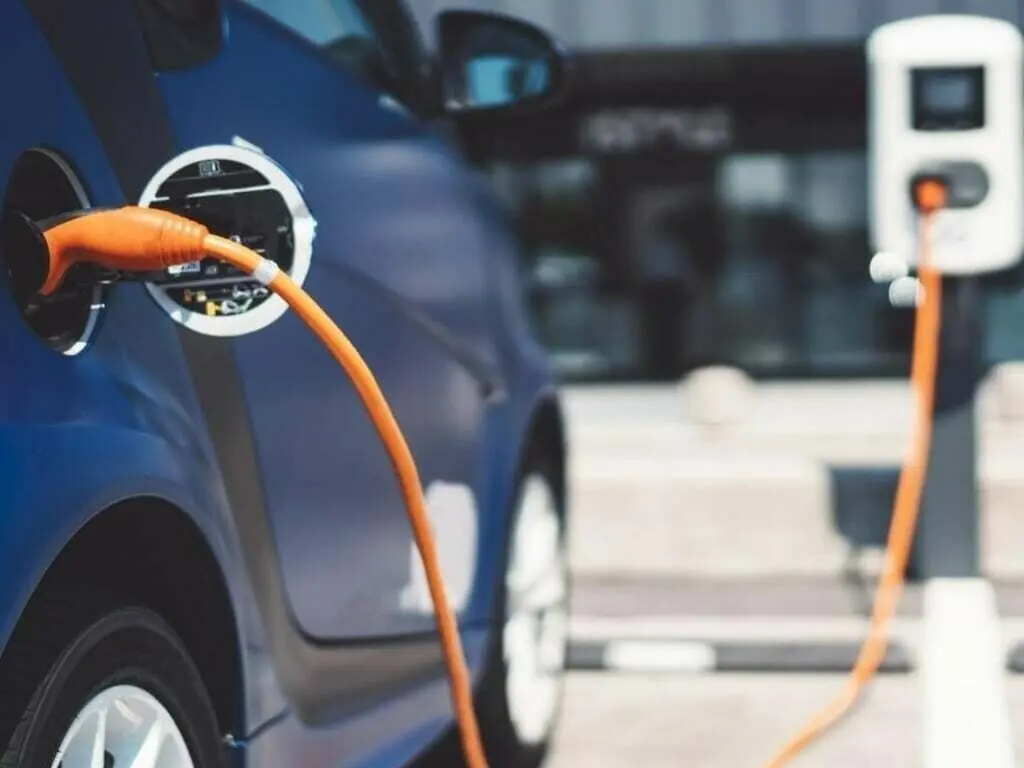

A rising fuel cost environment is encouraging customers to shift towards the New Energy Vehicles (NEVs), which could also help reduce the country’s reliance on imported petroleum, according to auto industry experts.
Danish Khaliq, vice president sales and strategy BYD Pakistan-Mega Motor Company, said the current fuel environment strengthens the case for accelerating the adoption of NEVs, as they reduce Pakistan’s dependence on imported petroleum.
With petrol prices rising by 20–25%, the cost of running conventional vehicles has increased significantly, making NEVs a more compelling alternative.
To accelerate this shift, according to Khaliq, targeted government support will be critical.
“Tax concessions, accessible financing, and a stable policy environment can make NEVs more affordable across all consumer segments. Simultaneously, incentivising investment by industry players like BYD in local manufacturing, developing charging infrastructure, and encouraging portfolio and technology expansion will help make electric mobility more practical and scalable.”
Khaliq said the focus should be on creating an enabling environment that strengthens both consumer demand and industry growth.
“For consumers, affordability and access will be a key,” he maintained. “This can be achieved through a balanced mix of incentives and disincentives, including lower duties on cleaner technologies, concessional green financing, and demand-side mechanisms such as feebate structures that make NEVs more accessible and attractive.”
Also read: How policy built Pakistan’s auto industry, how reversal could reshape it
At the same time, the BYD official continued, car assemblers would require long-term policy stability, ideally over a 10-year horizon, to provide sufficient runway for investments in technology, manufacturing, and supply chains, enabling original equipment manufacturer (OEMs) to build a broader ecosystem.
“The current AIDEP policy, set to expire in H1 2026, introduced incentives that guided long-term investment decisions for many players, including BYD-Mega Motor Company.
“Based on this framework, we initiated work on a state-of-the-art, highly automated plant in 2025, with operations to go live in Q3 2026. However, any significant policy shifts without a clear transition framework could require investors to revisit financial and operational assumptions, creating uncertainty and placing pressure on both existing players and future investments in the sector.
“It is also important to have a technology-neutral approach for policy incentive applicable consistently across all categories within the NEV segment, whether for Completely Built Unit (CBU) imports or Completely Knocked-Down (CKD) localisation.
“Additionally, the policy framework should maintain a clear distinction between CBU and CKD imports, where initial market seeding is encouraged through CBUs, but is linked with eventual CKD localisation,” he said.
Automobile expert Shafiq Ahmed Shaikh said the National Energy Vehicle Policy (2025–2030) is a strategic framework designed to modernise Pakistan’s transport sector representing a transformative shift in the country’s energy landscape.
The policy prioritises domestic manufacturing to introduce new technologies and reduce reliance on soaring fuel import bills, automotive parts and components, according to Shaikh.
“Given the current global fuel volatility compounded by international conflict, it is important that we mitigate these economic impacts,” he said. “The major beneficiary of this policy is the consumer as the government has allocated approximately Rs100 billion to provide direct subsidies, waivers and low interest financing schemes.”
Secondly, he continued, the policy would support industrial growth to manufacturers by offering significant benefits on Customs duty and Sales tax.
“It also prioritises infrastructure by targeting around 3,000 charging stations by 2030 at nominal but fixed commercial tariff.”
Shaikh was of the view that market protection is ensured through stricter regulations on used vehicle imports, fostering a competitive environment for local assemblers.
He said the economic situation following the escalation of the current war disrupted Pakistan’s economy by destabilising energy markets.
“With 80% of crude oil imports passing through the conflicted area of current war, maritime insurance rates have increased, driving petrol prices to approximately Rs321.17 and diesel to Rs335.86 per litre.
“These surges have triggered intense inflationary pressures, especially for public transport passengers, daily commuters (including motorcycle and private car owners), and particularly the agriculture sector, where elevated diesel costs impact crop harvesting and transport..”
He said the resulting foreign exchange strain with a potential monthly oil import bill in the millions threatens the national trade balance and the value of the rupee.
“This volatility underscores the urgent need to reduce petroleum dependency through alternative energy solutions.
“In my opinion, as the future belongs to electric and hybrid vehicles, oil marketing companies, if possible, will convert 10% of their fuel stations into EV charging sites,” Shaikh said.




 American Dollar Exchange Rate