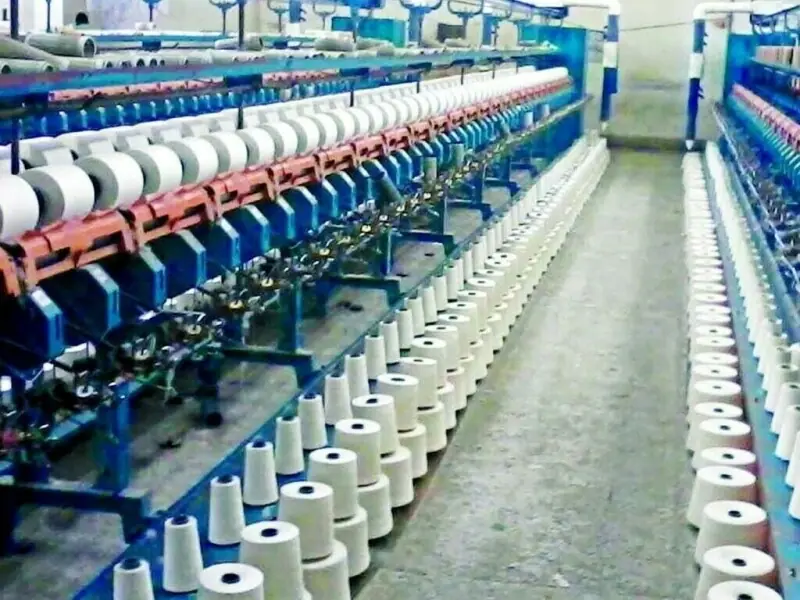

KARACHI: Pakistan’s textile and apparel exports are facing a severe downturn due to the historic highest cost of manufacturing, which has significantly eroded the competitiveness of exporters in international markets, said Pakistan Hosiery Manufacturers Association (PHMA) Chairman (South) Faisal Arshad Sheikh.
He said exorbitant electricity and gas tariffs, acute liquidity constraints, unfavourable international tariff pressures, and subdued global demand have badly affected value-added textile and apparel exports, particularly the textile and hosiery sector, which remains the backbone of Pakistan’s export economy.
Citing official data released by the Pakistan Bureau of Statistics (PBS), Faisal Arshad Sheikh noted that Pakistan’s merchandise exports declined by 20.41 percent in December 2025, falling to USD2.317 billion from USD2.911 billion in December 2024. This marked the fifth consecutive month of negative export growth in the current fiscal year. On a month-on-month basis, exports contracted by a further 4.26 percent in December, continuing the downward trend observed since August 2025.
He added that during the first half of FY2025 (July–December), export earnings declined by 8.70 percent to USD15.184 billion, compared to USD16.631 billion in the same period last year. Faisal Arshad Sheikh expressed serious concern over the prolonged and worsening export slowdown.
Speaking at the Planning Commission’s Roundtable Conference on Textile and Apparel under Uraan Pakistan, Faisal Arshad Sheikh drew the attention of Prime Minister and Planning Minister Ahsan Iqbal to the alarming decline in exports. He urged the government to declare an export emergency and take immediate corrective and supportive measures on a war-footing to arrest the downturn.
He stressed the urgent approval of the new Apparel and Textile Policy 2025–2030 in consultation with PHMA and other stakeholders. The policy, he said, should incorporate earlier export-support packages that had proven effective, particularly the Regionally Competitive Energy Tariff and Duty Drawback on Local Taxes and Levies. He emphasized that the five-year national apparel and textile policy must prioritize reducing or freezing electricity and gas tariffs for export-oriented industries to lower production costs and enable fair competition with regional players.
Faisal Arshad Sheikh further lamented that the shift of the textile and apparel industry from the Final Tax Regime (FTR) to the Normal Tax Regime (NTR) has intensified financial hardships, as exporters’ refunds remain stuck, causing a severe liquidity crunch. He said the abolition of duties and taxes under the Export Facilitation Scheme (EFS) has failed to achieve the scheme’s core objective of facilitating exporters, instead dealing another blow to their liquidity.
He also pointed out that the highest-ever policy discount rate, compared to regional economies, has discouraged exports and should be reduced to single digits. Additionally, the new US tariff regime and other international tariff measures have further increased challenges for Pakistan’s apparel and textile exports in global markets.
The PHMA chairman cautioned that failure to resolve these critical issues on an urgent basis could result in further loss of export orders and Pakistan’s global market share, especially at a time when major international textile exhibitions are approaching — events that are crucial for securing new business. He warned that even if new orders are obtained, exporters may be unable to fulfil them due to the unprecedented cost of production.
Faisal Arshad Sheikh reiterated the need for close coordination between the government and export-oriented industries to introduce timely and targeted relief measures, protect employment, and ensure sustainable growth of Pakistan’s textile and apparel sector.
Copyright media, 2026




 American Dollar Exchange Rate