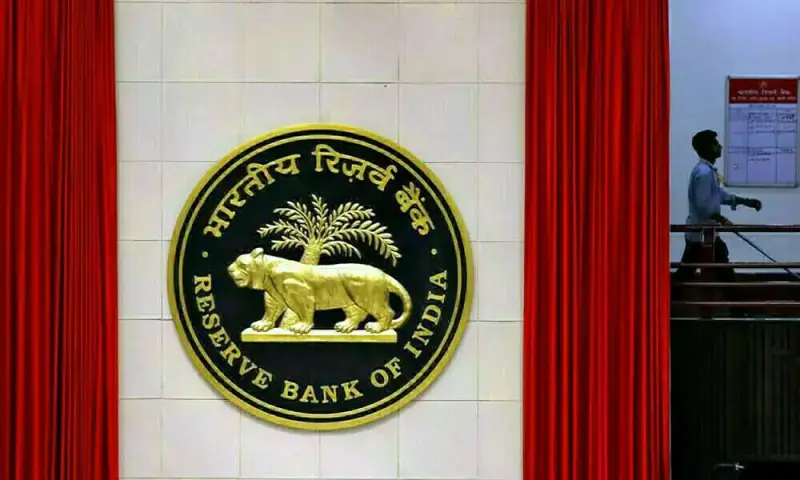

MUMBAI: India’s interest-rate panel has indicated that a potential moderation in growth next year, alongside subdued inflation, could open space for more rate cuts, minutes of the December meeting showed on Friday.
The six-member monetary policy committee cut the key repo rate by 25 basis points to 5.25% earlier this month, taking cumulative cuts in 2025 to 125 basis points – the most aggressive easing since 2019.
The panel retained a “neutral” policy stance, with five members backing it and one voting for a shift to an “accommodative” stance.
The South Asian economy expanded 8.2% in the July-September quarter, its fastest pace in six quarters, but growth is expected to moderate as the full impact of up to 50% U.S. tariffs hits exports and sectors from textiles to chemicals.
“Although domestic economic activity remains resilient in Q3, weakness in some leading high-frequency indicators is suggestive of a deceleration in the growth momentum in H2 vis-à-vis H1,” Reserve Bank of India Governor Sanjay Malhotra said.
While the rate cut in December will stimulate demand and be growth-supportive, the February policy decision will remain “data-dependent” and based on the evolving macroeconomic outlook, he said.
Moody’s expects India’s economy to grow at 6.5% through 2027
At the policy, the central bank raised its GDP forecast for the current fiscal year to 7.3% from 6.8%, while lowering its inflation projection to 2% from 2.6%. However, it lowered the GDP forecast for first half of next year to 6.7%-6.8%.
India’s retail inflation edged higher to 0.71% in November from a record low of 0.25% in October and is expected to stay soft in coming months, well below the central bank’s target of 4% with a 2 percentage point band on either side.
SLACK IN THE ECONOMY
“Not just headline and core inflation, but most other nominal indicators of the economy are prevailing at level that indicate that the economy at this point is not showing any signs of overheating,” said deputy governor Poonam Gupta.
“Instead, one could interpret the data as indicating that there is slack in the economy.”
External risks, including U.S. tariffs and geopolitical tensions, could weigh on exports and private investment, panel members warned.
The next policy meeting is scheduled for February 4–6, and economists expect the central bank to consider another 25-basis-point cut if inflation stays subdued.
Exports will also face competition from Chinese shipments, said member Ram Singh, who voted for an “accommodative” stance.
“Together, these effects also strengthen the case for demand-supportive rate cuts without compromising the predictability of the inflation trajectory,” he said.





 American Dollar Exchange Rate