Douglas Olivares/Shutterstock
- The US State Department rates destinations by safety and security risks.
- Advisories warn travelers about crime, unrest, health risks, and natural disasters.
- Venezuela and Haiti remain "Do Not Travel" amid instability and security concerns.
If you're planning a Caribbean vacation, you should know how safe your destination is — and how recent developments in the region might affect your travel — before you board your flight.

The Caribbean has long been a popular vacation destination thanks to its natural and historic sights, yearlong tropical weather, calm turquoise beaches, and an array of cuisines that combine indigenous, African, and European influences.
However, the US State Department has issued travel advisories for some countries in the region, advising Americans to exercise caution when visiting.
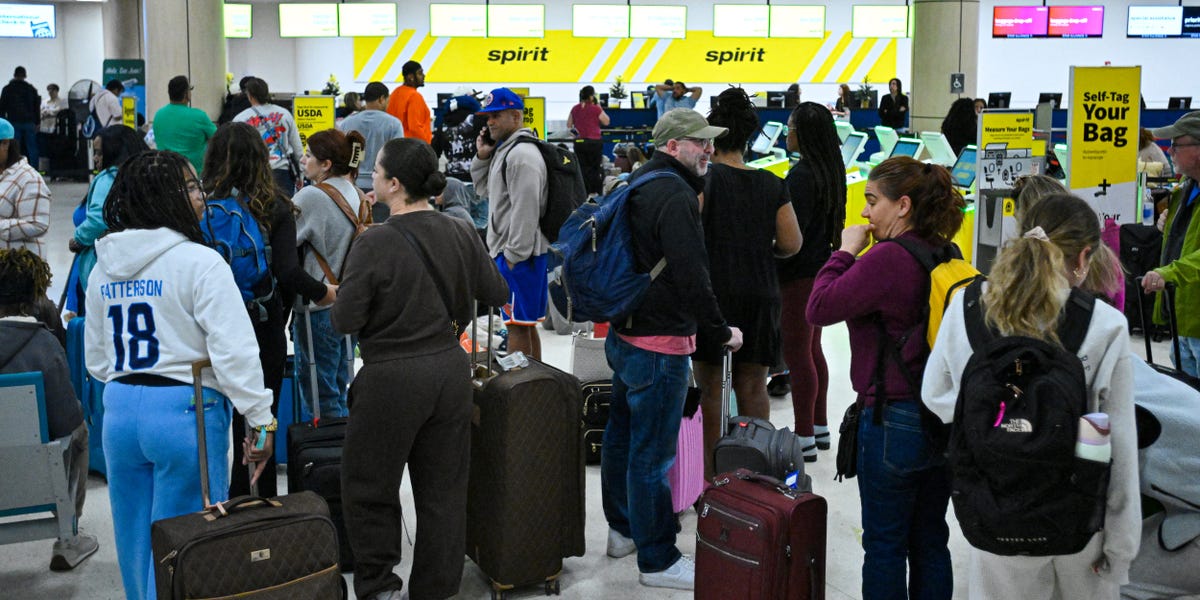
As the world welcomed 2026, travel concerns in the region intensified after the US' capture of Venezuelan President Nicolás Maduro. The development prompted heightened US security measures and new restrictions on regional airspace, causing travel delays and disruptions across the region that left thousands of travelers stranded.
Traveler uncertainty across parts of the Caribbean, even in countries not directly affected by political unrest, along with the increased US military presence in the region, may also prompt travelers to wonder if it's wise to travel there.
The US State Department uses four levels of travel guidance to share with travelers what to expect in each country:
- Level 1: Exercise normal precautions
- Level 2: Exercise increased caution
- Level 3: Reconsider travel
- Level 4: Do not travel
As of January 5, 22 countries around the world are designated "do not travel," mostly because of ongoing armed conflicts.
In the Caribbean, only Haiti and Venezuela have an advisory Level 4, along with some parts of Mexico, Jamaica, Honduras, Guatemala, and Colombia.
Across the Caribbean — which we have defined widely, including every country with a Caribbean coast in South, Central, and North America — levels of safety and resources can vary, and travelers should be aware of the specific conditions of the country or territory they intend to visit.
We looked at the travel advisories and information for every country in the Caribbean. Here's everything you need to know about your tropical destination before planning your next getaway.
Rebecca Harrington and Michelle Mark contributed to an earlier version of this story.

pics721/Shutterstock
While the US State Department doesn't have any alerts set for the British territory, it advises travelers to exercise caution when driving, as the roads can be in poor condition. Additionally, it notes that medical facilities on the island fall below US standards.

DiegoMariottini/Shutterstock
The US State Department doesn't have any alerts set for the popular cruise-ship destination, but it advises travelers on the country information page to be "extremely careful when driving, riding in a vehicle, or crossing roads."
It also notes that medical facilities on the island don't meet US standards, and divers facing decompression illness need to be evacuated from the island as it does not have a hyperbaric chamber.
LGBTQ+ travelers should also be warned that local "indecency statutes" criminalize "consensual same-sex sexual activity between adult men" with a maximum sentence of up to 15 years, according to the US State Department. LGBTQ+ couples married outside the island also do not enjoy spousal rights or privileges when visiting Antigua and Barbuda.
The agency also says that mosquito-borne diseases like chikungunya, dengue, and Zika are prevalent in the islands.

Mary Baratto/Shutterstock
The US State Department doesn't have any alerts set for the Dutch island, but warns that "access to quality medical care is limited," and in cases of decompression sickness, divers need medical evacuation from the island as it does not have a decompression chamber.
Mosquito-borne diseases like chikungunya, dengue, and Zika are also prevalent in the island, and the CDC recommends the use of "mosquito repellents and insecticide-impregnated mosquito nets."
While crime isn't a particular concern there, theft is the main offense committed against tourists. The department suggests securing personal property in public areas, hotel rooms, and cars.

Wangkun Jia/Shutterstock
The US State Department advises travelers to the island chain to remain cautious, as violent crimes — like armed robberies and sexual assaults — can "occur anywhere in the Bahamas."
It also notes that a majority of crime occurs in the islands of New Providence and Grand Bahama, and warns to stay alert in the "Over the Hill" area in Nassau, south of Shirley Street, where gangs have been reported to have murdered residents.
The department also warns about unsafe, unregulated tourist watercraft, such as boat tours, and the potential of sexual assault by Jet Ski operators. US government employees are prohibited from using Jet Skis and watercraft rented from independent operators on New Providence and Paradise islands.
It also advises travelers to be wary of weather alerts and notes that the island's hurricane season generally runs from June through November.

Mario Hagen/Shutterstock
The US State Department lists Barbados at Level 1 but warns that "crimes of opportunity" and violent crimes occur occasionally, advising the use of the same personal security measures as in any major US city.
It also notes that travelers should "exercise extra vigilance at night on party cruises and in the downtown area."
LGBTQ+ travelers should also be aware that, while rarely enforced, consensual same-sex sexual relations are criminalized on the island, and they can be penalized with up to life imprisonment.
Mosquito-borne diseases, such as chikungunya, dengue, and Zika, are also prevalent.

Wirestock Creators/Shutterstock
The US State Department warns of violent crime, including "sexual assault, home invasions, armed robberies, and murder," which it says
"are common even during the day and in tourist areas," and can be gang-related.
Belize City has a travel advisory Level 3, and the agency suggests that US citizens should avoid traveling to the city, which has historically seen much of the country's violent crime in its south side. The area, defined as Haulover Creek Canal and extending south to Fabers Road, "does not overlap with the typical tourism areas," the agency said.
Much of the crime in the city, and in the country, is gang-related, and local police don't have resources to look into serious crimes, so most go "unresolved and unprosecuted," the US State Department wrote.
The department said it also discourages driving at night due to poor road conditions, frequently unavailable road assistance, and unreliable phone reception in remote areas.
Diseases like malaria, dengue, Zika, leishmaniasis, and NWS (New World Screwworm) are also prevalent in the country, and medical care, while generally available in urban areas, can be hard to access in rural and remote areas.
The agency also warns that many hotels aren't equipped with carbon monoxide detectors, and that US citizens have died from poisoning from the gas.

Nancy Pauwels/Shutterstock
The US State Department doesn't have any alerts set for the Dutch islands, which it assesses as low-crime areas with responsible police sources and a high level of social control in its small population. The most common crimes are usually "non-violent, financially-motivated, and opportunistic in nature," like pickpocketing and theft of unattended belongings.
US travelers are advised to use caution when driving in the islands, as roads can be "slippery during rainfall," wild animals often cross roads, and in Saba, roads can be steep and have sharp turns.
There is limited access to quality medical care in the islands, and facilities do not always meet US health and service standards.
The CDC also recommends using mosquito repellents and sleeping under insecticide-impregnated mosquito nets.

Todamo/Shutterstock
The US State Department doesn't have any alerts set for the British territory, but notes that drivers should be attentive on the road as "speeding and reckless driving are fairly common." Nighttime drag racing and livestock crossing are also common.
While the British Virgin Islands don't have particularly high crime, crimes of opportunity and violent crimes occur occasionally, and travelers are advised to use the same personal security measures they would in any major US city.
Diseases like chikungunya, dengue, and Zika have also been reported.

Words As Photos/Shutterstock
The US State Department doesn't have any alerts set for the island chain, which is a British territory, and says the islands have "low rates of criminal activity affecting tourists," although crimes like pickpocketing and purse snatchings still happen occasionally.
Zika, chikungunya, and dengue fever are also prevalent, and the CDC recommends the use of insect repellents.

Jhampier Giron M/Shutterstock
The US State Department warns of crime, terrorism, unrest, and kidnapping throughout Colombia and asks visitors to reconsider travel to the country. Terrorists operate in some areas, and violent crime is possible, the agency says.
Parts of the country are a Level 4 advisory, with the agency recommending Americans don't travel to Arauca, Cauca (except Popayan); Chocó (except Nuquí); Nariño; and Norte de Santander (except Cucuta) because of crime and terrorism.
The country's border with Venezuela is also at a Level 4 advisory, and the agency advises avoiding the area altogether to prevent accidental crossings into Venezuela, as the border isn't clearly marked. The department says that Americans should not travel to this region "for any reason," since crime, kidnapping, and armed conflict are common in the area.
Even in public and in affluent neighborhoods, well-organized crime can occur, the agency says. Americans are also targeted by terrorist groups and individuals inspired by them, per the State Department.
Dating apps and internet romance scams are also common, and the department advises being cautious when meeting with strangers.
Travelers are advised against hailing taxis on the street, and US government employees are prohibited from doing so, as US citizens have been killed during robberies on hailed street taxis.
The agency also advises against participating in ayahuasca "spiritual cleansing" practices using psychedelic drugs illegal in the US, because "people claiming to be shamans or spiritual practitioners are neither licensed nor regulated," and there are risks of robbery, assault, illness, or death while intoxicated.
Adequate healthcare facilities are available throughout the country; the agency warns that healthcare in rural areas may be below US standards, and tap water is not safe to drink in these areas.
Common diseases include COVID-19, dengue, chikungunya, malaria, Yellow Fever, and Zika. Using mosquito repellents and sleeping under nets is suggested.

Stefan Neumann/Shutterstock
The US State Department warns of widespread petty and violent crime, like armed robbery, homicide, and sexual assault, affecting tourists, and recommends increased caution when traveling to the country. The agency strongly advises against taking public buses due to the threat of pickpocketing.
It also warns of dangerous rip currents in Costa Rica and notes that most beaches lack lifeguards or "warnings about unsafe conditions." In July, "The Cosby Show" star Malcolm-Jamal Warner drowned while visiting the country.
The agency also advises against participation in spiritual ceremonies or rituals involving hallucinogens like ayahuasca or kambo, which are "not regulated by the Costa Rican Ministry of Health and are illegal in the US." The agency says Americans have been victims of "sexual assault, serious injury, and theft" while intoxicated with the substances, and recommends using "extreme caution" if they choose to participate in such ceremonies.
Some travelers have reported tainted alcohol causing serious health issues, the agency added.
Medical care in San José is "usually good;" the department warns that quality services outside the city may be limited. Tap water is often unsafe to drink in the country.
Diseases like dengue, chikungunya, Zika, and malaria are prevalent.
Costa Rica is also prone to a variety of natural disasters as an active earthquake and volcanic zone, with three volcanoes that have become more active in recent years. Tsunamis can also occur after significant earthquakes.
Flash floods and severe landslides are common during the rainy season, from April to October, in the Limon, Puntarenas, and Guanacaste provinces.
Between January and the end of May, wildfires are also common throughout Costa Rica, particularly in Guanacaste and the northern region of the country.

REUTERS/Alexandre Meneghini
The US State Department advises that travelers maintain an increased level of caution due to crime and an unreliable power grid. Petty crime, including pickpocketing, purse snatching, and car break-ins, is common, and violent crime like armed robbery, murder, and home invasions is also on the rise, the department said.
US law also prohibits tourist travel to Cuba, and travelers must comply with OFAC licensing requirements, which establish different categories for permitted travel, such as educational activities, humanitarian projects, or visiting family.
Travelers should avoid demonstrations, as peaceful assembly and free speech are not protected, and protests can often trigger government responses. The agency also warns that the Cuban government has detained US citizens for activities that are not criminal in the US.
Scams on dating apps and internet romance schemes are common, it added. Internet and phone communication can also be compromised while visiting the island, as "there is no expectation of privacy in Cuba," per the department, which advises the use of VPNs and avoiding connecting to public WiFi networks.
Roads can be hazardous due to poor lighting, aging vehicles, and unpredictable nighttime conditions, and the department discourages using overcrowded public buses or unregulated taxis.
The agency warns that ambulances "are not present throughout the country and can be unreliable where available," and they're not usually equipped with up-to-date medical equipment. The agency recommends travelers bring basic over-the-counter medication, as shortages are widespread throughout the island.
Air quality can be poor on the island, and tap water is not safe to drink. The agency recommends opting for bottled water, asking for drinks without ice, washing hands often, and avoiding uncooked or undercooked food.
Diseases like dengue, chikungunya, COVID-19, Oropouche, hepatitis A, and traveler's diarrhea are prevalent.
Travelers should also be aware that between May and November, the island is vulnerable to tropical storms and hurricanes.

Solarisys/Shutterstock
The US State Department doesn't have any alerts set for the Dutch territory, but notes that nonviolent crimes of opportunity, such as pickpocketing and purse snatching, are common in areas like beaches, hotel lobbies, and cars.
Instances of violent crime, although not common, often take place in more isolated areas of the island, like remote beaches or nature areas, where thefts and assaults have been reported.
Zika, dengue, and chikungunya are prevalent, and the CDC recommends the use of mosquito repellents and insecticide-impregnated mosquito nets.

Joseph Thomas Photography/Shutterstock
The US State Department doesn't have any alerts set for Dominica, but notes that crimes of opportunity, violent, and drug-related crime occur occasionally.
The department also advises caution when driving, riding in a vehicle, or crossing roads, as roads in the country tend to be in "average to poor condition."
LGBTQ+ travelers should be aware that consensual same-sex conduct is illegal on the island, and local laws do not protect against sexual-orientation-based discrimination.
Diseases like chikungunya, dengue, and Zika have been reported on the island.
The agency also warns that medical facilities on the island do not meet US standards, and there is "limited ambulance service."
Elias Perdomo Soto/Shutterstock
The US State Department warns of violent crime, including armed robbery, homicide, and sexual assault. The agency also says that while the country has its own tourist police force and that resort areas are generally safer, urban areas like Santo Domingo aren't very well-policed, and drugs, weapons, and criminal justice systems are a concern throughout the country.
The agency advises against wearing expensive jewelry and warns of dating app or internet romance scams.
While prostitution under certain circumstances is legal in the country, the agency warns US citizens against hiring prostitutes or escort services, as "disagreements over price and claims of mistreatment" can result in police involvement.
Prevalent diseases include dengue, malaria, and tuberculosis, and "public clinics lack basic resources and supplies," the agency said. It also notes that "many US citizens have suffered serious complications or died during cosmetic or other elective surgeries in the Dominican Republic."
Tap water in many areas is not safe to drink, and the agency suggests requesting bottled water and no ice in drinks.
The country has the highest road-crash-related mortality rate in the world, the agency says, and travelers should drive with extreme caution or consider hiring a professional driver. Shared buses are available, but they do not always meet US safety standards.
Due to security concerns, the agency advises against using unregulated taxis and buses, as well as hailing taxis off the street.
The island is vulnerable to tropical storms and hurricanes between May and November, and flooding often occurs without warning during heavy rainfall. The country is also prone to earthquakes.
The agency also warns of life-threatening currents and advises against swimming alone.

Guayo Fuentes/Shutterstock
After years of higher-risk warnings, the US State Department now lists El Salvador at Level 1, citing a decrease in violent crime and gang activity over the past three years.
The US prohibits government employees from traveling between cities or departments at night and from using public buses due to concerns over infrastructure and criminal activity.
Since 2022, El Salvador has been under a "State of Exception" in response to gang violence, allowing local authorities to arrest anyone suspected of being involved in gang activity — including several US and foreign citizens — and suspending "several constitutional rights," like the right to a fair and speedy trial, the agency notes.
While no alerts are active for the country, the agency suggests exercising caution and warns that the "crime threat level in El Salvador is high," citing common crimes like robbery, car theft, and sexual assault. "Most serious crimes in El Salvador are never solved," the department says.
The country has a police force dedicated to tourists in 19 popular destinations, but the agency advises against remote hikes or hiring guides.
The agency warns of the risks of surfing in the country's Pacific Coast, which has made El Salvador a popular surfing destination. The currents "can be dangerous, even for skilled swimmers," the department said, and the country has limited search-and-rescue capabilities.
El Salvador also has severe penalties for possessing, using, or trafficking illegal drugs, which might include THC and CBD products legally sold in the US.
Natural disasters also occur occasionally in the country, which has 21 active volcanoes and experiences frequent earthquakes. Flooding and mudslides are common during the rainy season.
LGBTQ+ travelers should be aware that while same-sex sexual relations aren't restricted in the country, there is "widespread discrimination based on sexual orientation," the department said, including by public officials and police, who have been involved in violence against LGBTQ+ individuals.
Quality care is available in San Salvador, but medical care can be limited outside the city, per the agency.
Prevalent diseases include dengue, diarrheal illness, chikungunya, and Zika

Kevin DBoitrelle/Shutterstock
The US State Department doesn't have any alerts set for the French West Indies, which include the islands of Guadeloupe, Martinique, French Saint Martin, and Saint Barthélemy. The agency notes that petty street crime, like purse snatching, occurs, and advises against leaving valuables unattended in public areas or visible in cars.
Other recommendations include avoiding wearing expensive jewelry or carrying large amounts of cash, and keeping doors and windows locked at night.
Chikungunya and dengue are prevalent.

Atosan/Shutterstock
The US State Department doesn't have any alerts set for the island, but it notes that crimes of opportunity like petty theft and break-ins still occur occasionally, as do violent and drug-related crimes. The agency advises travelers to exercise the level of caution that they would in any major US city.
LGBTQ+ travelers should also be aware that local law "criminalizes consensual same-sex sexual activities between men," with up to 10 years imprisonment, the agency says. Although prosecutions are rare, Grenadian society is considered to be "generally intolerant of same-sex sexual conduct," it noted.
During hurricane season, from June 1 to November 30, travelers are advised to monitor local weather and be prepared for potential threats, including earthquakes and tsunamis, since the island is located in a seismic zone.
Visitors should drive slowly and with caution, as the roads are usually narrow and winding and often lack proper signage, according to the agency.
The department also notes that medical care in Grenada is "below US standards" and that dengue is prevalent.
Henrry Figueroa/Shutterstock
The US State Department warns of widespread crime, including violent crime like armed robbery, murder, and gang activity, particularly in Guatemala City, Escuintla, Chiquimula, Izabal, and Petén. The agency advises reconsidering travel to the country.
Some areas, including the departments of San Marcos and Huehuetenango, and parts of Guatemala City like Zone 18 and Villa Nueva, have a travel advisory of Level 4: Do Not Travel due to increased crime.
"While tourists are not usually targeted, they can still be victims of opportunistic crime," the agency says, and local police — which have a dedicated force to protect tourists in popular destinations — often lack the resources to respond effectively.
Tourists are advised against wearing expensive jewelry or using cellphones in public. Internet romance and dating app scams are common and can often target US citizens.
Road travel after dark is discouraged due to poor lighting and a high accident risk. Public transportation, especially "chicken buses" and unregulated taxis, can be unsafe, the agency said.
Travelers should also avoid swimming in the Pacific Ocean because the currents and undertow can be dangerously strong, and lifeguards aren't always available.
LGBTQ+ travelers should be aware that discrimination and harassment are common throughout the country.
Medical care in Guatemala City is generally adequate, but facilities elsewhere often lack basic supplies.
Diseases like dengue, chikungunya, malaria, and COVID-19 are present, and tap water is unsafe to drink, including ice made from non-potable water.
Air pollution is also an issue in major cities, and travelers should monitor for altitude effects in high-elevation areas.

Rotorhead 30A Productions/Shutterstock
The US State Department warns of extreme crime, kidnapping, civil unrest, terrorist activity, and a total collapse of public security in the country. The agency emphasizes that it cannot provide emergency assistance in Haiti and advises against all travel to the country. US airlines are not operating commercial flights to Haiti due to the substantial threats to travelers.
In late August, the country declared a state of emergency across many districts due to gang violence. Kidnapping is widespread and often violent, with US citizens among the victims, the department said.
Demonstrations and roadblocks are frequent and unpredictable, and clashes between gangs and security forces routinely involve gunfire. The agency notes that stray bullets present a significant threat to visitors, even if they aren't involved with armed conflict.
Road conditions are dangerous, traffic is chaotic, and public transportation is unsafe, according to the agency.
LGBTQ+ individuals and women may face targeted harassment or violence, and consular support is unavailable.
The State Department warns that medical facilities lack basic supplies, emergency response is nearly nonexistent, and essential resources, including water, fuel, and electricity, are severely limited Diseases like dengue, chikungunya, malaria, cholera, and Zika are prevalent.
The country is also vulnerable to hurricanes during the season that runs from June 1 to November 30, during which roads often become impassable.

Manuel Chinchilla/Shutterstock
The US State Department warns of violent crime, including homicide, armed robbery, kidnapping, and gang activity, throughout Honduras. The easternmost department, Gracias a Dios, is a Level 4: Do Not Travel area due to narcotics trafficking, limited security presence, and poor infrastructure.
Since 2022, the country has been under a state of national emergency in response to the high crime rate.
Tourist areas like the Bay Islands and Copan Ruins "have a higher concentration of law enforcement resources," the agency said, but drug-related crimes remain a concern in the region.
Road conditions are hazardous, especially at night, with poor lighting, landslides, and frequent accidents. Carjackings occur along major highways, and the agency warns against using public transportation or hailing taxis on the street.
While no laws prohibit same-sex relationships, LGBTQ+ travelers often face discrimination, and crimes committed against LGBTQ+ individuals often go unpunished. The agency advises LGBTQ+ travelers to "exercise caution, especially when expressing affection in public."
Medical facilities "often do not meet US standards," the agency said. Dengue is widespread, and diseases like chikungunya, malaria, and Zika are prevalent. Tap water is not safe to drink, and air pollution can reach hazardous levels during the dry season.
The country is also vulnerable to hurricanes, heavy rain, and flooding, especially between June and November.
Words As Photos/Shutterstock
The US State Department warns of widespread violent crime — including armed robbery, sexual assault, and homicide — and notes that serious incidents can occur even inside gated resorts. Some neighborhoods in Kingston, Montego Bay, Ocho Rios, and other parishes are at an advisory of Level 4: Do Not Travel due to what the agency calls persistent gang violence.
It also notes that the country has one of the highest homicide rates in the Western Hemisphere. Tourists tend to experience a lower rate of crime than in other parts of the country, the agency said.
Hurricane Melissa also caused significant damage in late 2025, and the agency advises confirming transportation and lodging availability before travel, as services may remain disrupted, especially in areas such as Black River and Montego Bay, which were heavily impacted by the storm.
Travelers should avoid secluded areas, including at resorts, remain in groups, and avoid displaying valuables.
Road conditions vary widely throughout the island; nighttime driving is hazardous, and carjackings and accidents are common.
Emergency response can be slow, and medical care outside major cities is limited, according to the agency.
Scams are common here, the agency says, warning that LGBTQ+ individuals may face targeted violence, including assaults arranged through dating apps.
LGBTQ+ travelers should be aware that local law specifically prohibits "any kind of physical intimacy between persons of the same sex, in public or in private," with up to 10 years in prison, and "consensual same-sex sexual conduct between men" is also outlawed. LGBTQ+ individuals often face discrimination and assault, the agency said.
Diseases like COVID-19, dengue, chikungunya, and HIV are present, and the CDC recommends the use of mosquito repellents and sleeping under insecticide-impregnated mosquito nets.

ishtar.ro/Shutterstock
The US State Department warns of terrorism, violent crime, kidnapping, and cartel activity throughout Mexico.
States like Colima, Guerrero, Michoacán, Sinaloa, Tamaulipas, and Zacatecas are Level 4: Do Not Travel due to extreme violence, roadblocks, and targeted killings. The agency particularly warns against travel to Tamaulipas due to the threat of organized crime activity and kidnapping.
Other states are Level 3: Reconsider Travel, and only the Gulf states of Campeche and Yucatán are Level 1: Exercise normal precautions.
Crimes like armed robbery, extortion, and sexual assault occur in both tourist and non-tourist areas, and the agency notes that "emergency services may be limited or unavailable in remote or rural areas." Travelers should avoid hailing taxis on the street, use only vetted transport, and avoid intercity driving at night due to risks of crime and unreliable road conditions.
Scams, including virtual kidnappings, romance schemes, banking fraud, and timeshare scams, are also common.
The agency also notes that carbon monoxide incidents have resulted in tourist deaths since many hotels and vacation rentals lack detectors.
Mexico is also prone to earthquakes and tsunamis, and hurricanes and tropical storms often take place between May and November.
Medical care is generally good in major cities, but complications are frequent in travelers seeking elective procedures, such as plastic surgery.
Diseases like dengue, chikungunya, malaria, and Zika are present in the country.

PixieMe/Shutterstock
The US State Department warns of "arbitrary enforcement of laws, risk of wrongful detention, civil unrest, limited healthcare availability," and crime. The government, which the agency describes as authoritarian, has detained US citizens, restricted entry or exit without explanation, confiscated property, and monitored digital activity.
Violent crime, including sexual assault and armed robbery, occurs, and roadblocks and paramilitary groups can restrict movement and extort travelers. The Nicaraguan government may also monitor social media accounts for content that is "critical of the government, controversial, or that might involve illegal activity," the agency said.
Beaches can have dangerous currents and undertows, and hiking around volcanoes requires hiring local guides by law. Travelers should maintain emergency supplies, avoid nighttime travel, and only use licensed taxis recommended by trusted sources like airports and hotels due to unsafe conditions on public transportation.
Medical care outside Managua is extremely limited, and even the capital's facilities may lack emergency resources. Ambulance services are unreliable, tap water is not potable, and diseases like dengue, chikungunya, Zika, typhoid fever, pneumonia, leptospirosis, and rabies are present.
The country is prone to earthquakes, hurricanes, floods, landslides, and volcanic eruptions. Travelers should have emergency plans, as remote locations may lack cellphone coverage.

279photo Studio/Shutterstock
The US State Department doesn't have any alerts set for the British territory, but notes that petty crimes and violent crimes still occur occasionally. Travelers are advised to use the level of caution they would in any major US city and stay aware of their surroundings, especially when visiting more isolated areas.
Chikungunya and dengue are present on the island.
Nancy Pauwels/Shutterstock
The US State Department doesn't have any alerts set for the islands, but notes that petty theft, break-ins, and incidents of violent and drug-related crime occasionally occur. Travelers should use the personal security measures they would in any major US city.
LGBTQ+ travelers should also be aware that local law criminalizes "consensual same-sex activity between men" with a penalty of up to 10 years in prison, although enforcement of this law is relaxed, according to the agency. While the law "does not prohibit sexual activity between women," it also doesn't prohibit discrimination based on sexual orientation.
Diseases like chikungunya, dengue, and Zika have been reported in the islands.
Nancy Pauwels/Shutterstock
The US State Department doesn't have any alerts set for the island, but notes that crimes of opportunity, violent and drug-related crimes occur occasionally, and suggests using the same level of caution as in any major US city.
The department also notes that medical facilities in the island "do not meet US standards," and that major roads are in "average to poor condition," so travelers should "be extremely careful when driving."
LGBTQ+ travelers should also be aware that local law criminalizes "consensual same-sex sexual activity" with penalties of up to 10 years in prison, and there is no legislation protecting people from "discrimination based on sexual orientation," per the agency.
Chikungunya, dengue, and Zika are present.

Nicola Pulham/Shutterstock
The US State Department doesn't have any alerts set for the island chain, but notes that it can be vulnerable to natural disasters.
Located on the north of Saint Vincent, La Soufriere is an active volcano that the agency says "poses a constant threat." In mid-April 2021, it erupted nearly every day, forcing nearby communities to evacuate.
Earthquakes, which are also often associated with volcanic activity, can occur "at any time," the agency said. The islands can be impacted by hurricanes and storms between May and November.
The department also notes that medical facilities fall below US standards, and that since there isn't a hyperbaric chamber on the islands, divers suffering decompression illness require evacuation.
LGBTQ+ travelers should also be aware that local law criminalizes "consensual same-sex sexual activity" with sentences of up to 10 years in prison, and there is no legislation protecting people from "discrimination based on sexual orientation," the agency said.
Diseases like chikungunya, dengue, and Zika are present.

Sean Pavone/Shutterstock
The US State Department doesn't have any alerts set for the Netherlands territory. Sint Maarten shares an island with Saint Martin, which is part of the French West Indies.
The agency warns travelers against attempting to experience the "jet blast of approaching and departing aircraft" at the island's Maho Beach, adjacent to the Princess Juliana International Airport. The blast "can result in serious injury or death," per the department.
Crimes of opportunity, such as pickpocketing or petty theft, can also happen, and the department advises against leaving belongings unattended.
The State Department also warns that "access to quality medical care is limited" on the island, and facilities may not always meet US standards.
Diseases like chikungunya, dengue, and Zika are prevalent.

BlueIcePics/Shutterstock
The US State Department warns of violent crime, terrorism, and kidnapping in Trinidad and Tobago, particularly in parts of Port of Spain. Violent crimes, including murder, assault, robbery, sexual assault, and home invasion, are common, and gang activity is widespread; a significant portion of violent crime is gang-related.
There is also a risk of terrorist violence targeting tourist locations, hotels, restaurants, parks, and airports, among others, the agency said.
The agency notes that criminals have used dating apps and social media to lure victims to assaults or robberies, and tourists have been targeted at beaches, waterfalls, and rental homes, especially in Tobago. The agency notes that tourists are particularly vulnerable to pickpocketing and armed assault, which often increases before and during holiday periods.
Tides and undercurrents can be dangerous, and the agency advises against entering the water at unmarked and unpatrolled beaches.
LGBTQ+ travelers should be aware that "consensual same-sex sexual activity" remains criminalized with a penalty of two to five years in prison, although the law is not being enforced. Targeted violence against LGBTQ+ individuals is also common.
Medical facilities often lack basic resources, ambulance services are limited, and diseases like dengue, chikungunya, Zika, yellow fever, and COVID-19 are present in the island. The CDC recommends the use of mosquito repellents and insecticide-impregnated mosquito nets.
Tap water is not potable, and travelers' diarrhea is a concern throughout the country.

Mikolaj Niemczewski/Shutterstock
The US State Department warns of crime throughout British territory, particularly on Providenciales, where it says police resources may be limited.
Crimes of opportunity, including theft, burglary, and car break-ins, and occasional violent incidents occur. The agency advises US citizens to exercise the level of caution they would in any major US city.
Visitors should avoid walking alone at night, secure valuables, and use only clearly marked taxis.
The islands are also vulnerable to hurricanes from June through November.
Medical care can handle non-life-threatening issues, but serious injuries often require air evacuation.
Alejandro Solo/Shutterstock
The US State Department advises all US citizens and permanent residents to leave the country and not to travel to Venezuela "for any reason."
Conditions in Venezuela have come under renewed scrutiny following the January 3, 2026, US raid that resulted in the capture of Venezuelan President Nicolás Maduro, a major escalation that has increased uncertainty across the country.
In the days since the strike, airspace restrictions imposed by the US, linked to the operation, have disrupted commercial flights in parts of the Caribbean region, leading to delays, cancellations, and rerouted planes. This has left travelers with fewer options if they need to leave Venezuela quickly.
The US State Department's travel advisory warns of wrongful detention, kidnapping, crime, civil unrest, terrorism, and extremely poor health infrastructure. The US Embassy in Caracas has been suspended since 2019 and is unable to provide consular or emergency assistance anywhere in the country.
"Security forces have arbitrarily detained US citizens for up to five years without respect for due process," the US State Department said of conditions in Venezuela. Former detainees have reported torture and inhumane treatment in the country.
The Venezuelan government has responded to reports from international organizations documenting arbitrary detention, inhumane conditions, and torture in the country's prisons, calling them "interventionist." The government has called allegations of due process and human rights violations "irresponsible, biased, and deeply polarized," as reported by CNN.
Violent crime, including homicide, armed robbery, kidnapping, and carjacking, is pervasive in the country, the US State Department said, and criminal gangs and Colombian terrorist groups operate openly and in places frequented by tourists.
Shortages of gasoline, electricity, food, medicine, and medical supplies are widespread, and public hospitals lack basic resources. Even private facilities are strained, and medical evacuation is difficult and expensive.
The agency also advises against using public transport. Traffic jams in Caracas are often exploited by armed motorcycle gangs to rob drivers.
Tap water is often unsafe to drink, even in major cities, and shortages of running water are frequent. Diseases like dengue, Zika, chikungunya, malaria, Chagas disease, measles, travelers' diarrhea, and other infectious illnesses are prevalent.
Those who decide to disregard the advisory and travel to Venezuela are advised to prepare a will, consider hiring professional security during their stay, and develop communication plans with family in case of kidnapping or detention, the State Department said.




 American Dollar Exchange Rate