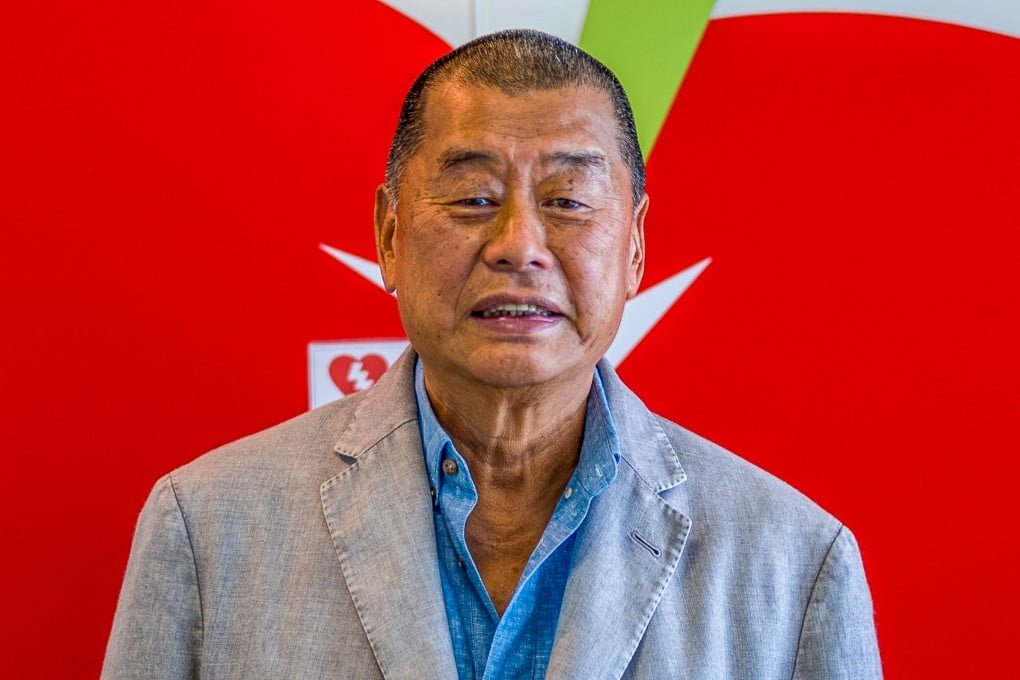
Hong Kong media mogul Jimmy Lai marks another birthday in prison as rights groups warn of deteriorating health, inhumane treatment, and growing threats to press freedom under national security laws.
WEBDESK – Imran Malik – December 27, 2025 l Courtesy: CPJ & Beh Lih Yi
Prominent media tycoon and pro-democracy publisher Jimmy Lai marked another birthday this week inside a Hong Kong prison, his fifth spent behind bars, as international concern mounts over his deteriorating health and the broader assault on press freedom in the city.
Lai, 78, the founder of the now-shuttered Apple Daily, has been held in solitary confinement for nearly five years under Hong Kong’s national security law. His family and rights groups warn that his physical condition is worsening to a dangerous degree, raising fears that he could die in custody if his detention continues.
According to his children, Lai has suffered severe weight loss, heart palpitations, rotting teeth, and nails that have turned green before falling off. They say he has been subjected to inhumane treatment, including prolonged isolation, denial of Holy Communion despite his Catholic faith, and the withholding of food he enjoys — measures they describe as deliberate attempts to break his spirit.
“The Hong Kong government has spent years trying to break him,” Lai’s son, Sebastien, has said in interviews. “They may not succeed in breaking his will, but they are breaking his body.”
Lai’s national security trial concluded in August, but a verdict has yet to be announced. He faces charges of sedition and conspiracy to collude with foreign forces — accusations he denies. If convicted, he could receive a life sentence. Human rights experts have sharply criticized the charges, saying the law is written so broadly it can be used to silence dissent and criminalize journalism.
The Committee to Protect Journalists (CPJ) has repeatedly called for Lai’s immediate and unconditional release, warning that his case has become a global test of Hong Kong’s commitment to basic freedoms.
“The world is watching how Hong Kong treats its journalists,” CPJ Asia Program Coordinator Beh Lih Yi said in a recent statement. “Each passing day increases the risk that Jimmy Lai will die in prison.”
In November, Lai was held incommunicado for nine days, denied access to both legal counsel and family members. Earlier this year, authorities confiscated 500,000 Hong Kong dollars, claiming the funds were “criminally obtained” through his journalism.
International pressure continues to build. The United Nations Working Group on Arbitrary Detention has ruled that Lai is being unlawfully detained, while governments, including the United States, the United Kingdom, and members of the European Union,n have urged his release. CPJ and other organizations have also pressed British Prime Minister Keir Starmer to intervene, citing Lai’s British citizenship.
Despite the pressure, Hong Kong officials insist Lai is receiving appropriate medical care and have rejected foreign criticism as interference.
For press freedom advocates, Lai’s imprisonment has become emblematic of Hong Kong’s transformation — from a media hub known for openness to a city where dissent carries severe consequences.
As CPJ and others continue to campaign under the banner #FreeJimmyLai, supporters say one message remains clear: silencing one publisher will not silence the truth.








 American Dollar Exchange Rate