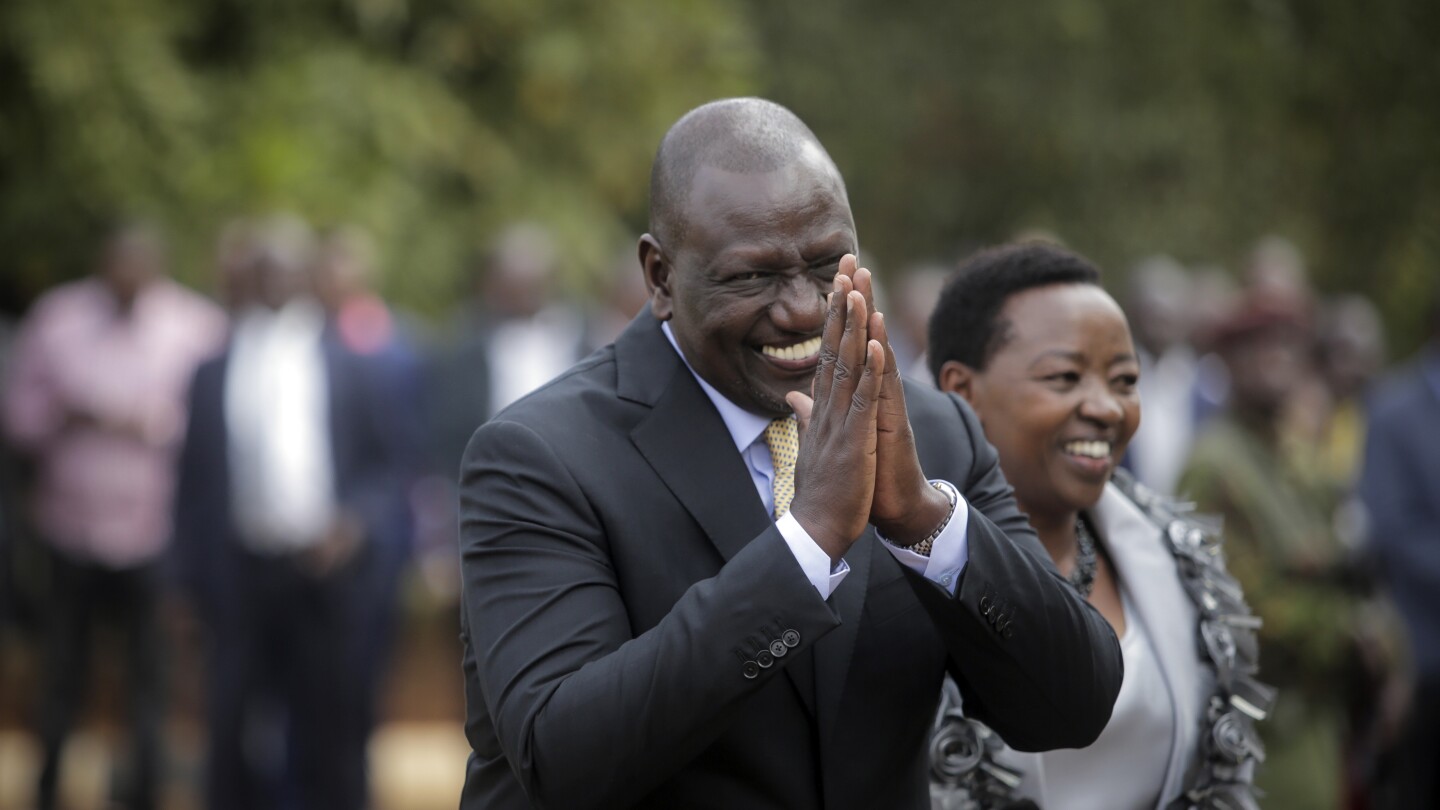
NAIROBI, Kenya (news agencies) — The ballooning debt in East Africa’s economic hub of Kenya is expected to grow even more after deadly protests forced the rejection of a finance bill that President William Ruto said was needed to raise revenue. He now warns “it will have huge consequences.”

Facing public calls to resign, Ruto has said the government will turn to slashing a $2.7 billion budget deficit by half and borrowing the rest, without saying from where.
After anger over bloated bureaucracy and luxurious lives of senior officials helped to fuel the protests, Ruto also has promised funding cuts in his own office and said funding would stop for the offices of the first lady, the “second lady” — the wife of the vice president — and the wife of the prime Cabinet secretary. Almost four dozen state enterprises with overlapping roles will be closed.
Ruto has become deeply unpopular in his two years in office over his quest to introduce taxes meant to enable Kenya to repay its $80 billion public debt to lenders including the World Bank, the International Monetary Fund and China.
The public debt makes up about 70% of Kenya’s gross domestic product, the highest in 20 years.
How Ruto’s administration will find the money to pay off debt without further angering millions of Kenyans barely getting by, and without slowing down the economy, is the key question. The economy grew 5.6% in 2023.
Economist Mbui Wagacha, a former adviser to previous President Uhuru Kenyatta, said Kenya needs a professional budget and management body like the Office of Management and Budget in the U.S. Currently, Kenya’s treasury makes budget estimates and forwards them to the parliamentary finance committee, which creates the finance bills.
“Parliament has abdicated its mandate on the public finances in the Constitution and it’s looking after its own interests,” Wagacha said in an interview.
He said further borrowing by Kenya could be “disastrous” and proposed a strategy of using diplomacy to attract investment and restructuring the debt in an attempt to get creditors to write off some of it.
Another economist, Ken Gichinga, agreed that government borrowing will slow down Kenya’s economy. Businesses still haven’t recovered from the effects of the COVID pandemic and the war in Ukraine, he said.
“When the government borrows more, interest rates go up. And when interest rates go up, businesses slow down, the economy slows down, due to the high cost of repayment,” Gichinga said.
Kenya’s president has advocated self-sustainability, saying the country should raise more revenue instead borrowing. “If we are a serious state, we must be able to enhance our taxes,” he said in May.
But Kenyans have rejected attempts to raise taxes as they struggle with rising prices on basic goods, even storming parliament during the recent protests.
Last week, days after announcing he would not sign the finance bill he once championed, Ruto said he had worked hard “to pull Kenya out of a debt trap” and that huge consequences lie ahead.
Wagacha said economic growth must come before the government increases revenue targets and tax collection.
“You create an expanded economy with employment and with investment, and people have money in their pockets. It’s much easier for them to hear about your request for taxes,” he said.
He suggested making access to low-interest credit easier for businesses in key sectors like tourism and agriculture, saying small businesses hold the key to Kenya’s economic growth as they tend to absorb many employees. That could help address high youth unemployment.
The government should incentivize businesses to create jobs with low taxation and lower interest rates, Gichinga said: “At the end of the day, we need a jobs-centered economic policy. That’s what we’ve been lacking.”
The IMF, which had suggested some of the controversial tax changes, has been a target of Kenya’s public dissatisfaction. Some protesters had posters with messages such as “IMF stop colonialism.”
In a statement late last month, the IMF said it was monitoring the situation in Kenya, adding that its main goal was to help it “overcome the difficult economic challenges it faces and improve its economic prospects and the well-being of its people.”





 American Dollar Exchange Rate