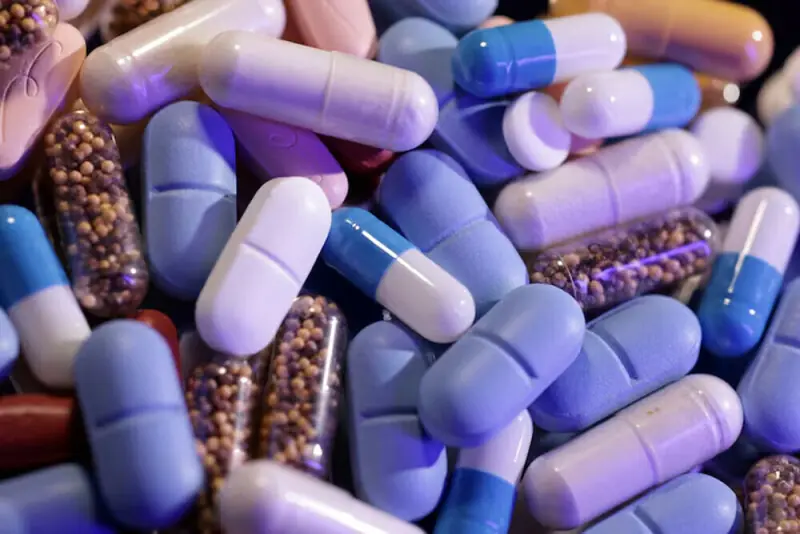

KARACHI: Pakistan Pharmaceutical Manufacturers Association (PPMA) has set the record straight, stating that medicine prices were increased by an average 15% since the government introduced the price deregulation policy for non-essential drugs in February 2024.
The association has rejected reports claiming a 32% hike in medicine prices in the past 21 months.
Finance minister lauds pharma sector’s 18% growth, presents vision for $10bn exports
In a statement, PPMA said the figure of 32% quoted by some sections of the media represents the cumulative increase over the past two years, not the period following deregulation.
“The actual post-deregulation increase of 15% also includes about 2.5% growth in production units and new product launches, indicating that the real impact on existing medicines is closer to 13.5%.”
While talking to media, PPMA Chairman Tauqeer Ul Haq attributed the uptick of 15% in medicine price since February 2024 to relatively high inflation readings, high interest rates and rupee devaluation in the recent past. “Such factors have taken the cost of production up in pharmaceutical sector,” he said.
According to an independent report by IQVIA, a globally recognized source for pharmaceutical market data, overall medicine prices have risen by 16% over the last 12 months.
Pakistan govt urges pharma industry to scale up exports in $2.5trn global market
This increase wasn’t just from existing medicines becoming more expensive — it also included new molecules being introduced (i.e., new drugs or formulations added to the market, which are often priced higher), and organic growth, meaning the normal, gradual increase in prices or sales within the existing product range.
Forty life-saving medicines have returned to production, market in Pakistan, says PPMA chairman
Before deregulation, PPMA said, Pakistan’s pharmaceutical industry was facing a severe crisis due to stringent price controls, sharp rupee depreciation, and record inflation of up to 35%. These challenges led to widespread shortages of critical medicines, including anti-cancer drugs, insulin, anti-TB medicines, heparin, and cardiovascular drugs, compelling patients to resort to counterfeit or smuggled products.
The association highlighted that the deregulation of non-essential medicines has already helped restore the availability of over 50 life-saving and critical drugs in the local market, as manufacturers have resumed production.
PPMA thanked the government for taking timely action to stabilize the market and bring Pakistan’s pricing framework in line with international standards, where only essential medicines remain under price control — a model also followed by India and Bangladesh.
The deregulation policy has also revived investor confidence in the pharmaceutical sector. Several multinational companies have decided to continue operations in Pakistan, while exports have achieved a record growth of over 34%. Moreover, eight local companies have attained PIC/S qualification, and others have secured WHO and MHRA certifications, enhancing the industry’s credibility and export potential.
Looking ahead, PPMA expressed optimism that the industry will not only ensure the uninterrupted supply of essential medicines but also introduce innovative treatment options and expand exports to $3 billion within the next three years.
The association emphasized that deregulation has stabilized the market, improved medicine availability, and set the foundation for sustainable growth in Pakistan’s pharmaceutical sector.



 American Dollar Exchange Rate