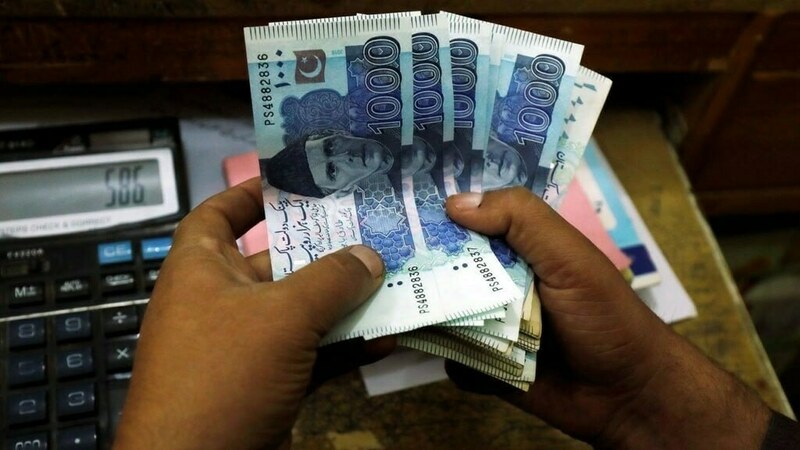
KARACHI: The business and industrial community of Sindh has raised serious concerns over the provincial government’s proposal to increase the minimum monthly wage to Rs 42,000.
Junaid Naqi, President of the Korangi Association of Trade and Industry (KATI), rejected the proposal outright, stating that such an increase would be detrimental to Sindh’s economy, industrial growth, and employment generation.
Naqi emphasized that economic decisions must reflect the actual ground realities and prevailing macroeconomic indicators. With the national inflation rate currently at a historic low of 6%, he questioned the rationale behind a significant hike in the minimum wage. He pointed out that minimum wages in Punjab and Khyber Pakhtunkhwa range between Rs 37,000 and Rs 40,000, and if Sindh sets it at Rs 42,000, it would become the highest in the country, potentially prompting businesses to shift operations to more cost-effective provinces, thereby affecting investment and employment within Sindh.
He further elaborated that even at the current minimum wage of Rs 37,000; the total cost per worker already exceeds Rs 61,000 per month. This includes Rs 4,500 in contributions to EOBI and SESSI, Rs 3,100 as an annual bonus, another Rs 3,100 in gratuity, Rs 1,500 for annual leave payments, Rs 8,000 for overtime (based on 25 hours/month), and Rs 3,800 in other employee benefits. This means that the actual financial burden per worker is already nearly double the base salary. If overtime rises to 48 hours, the monthly cost climbs beyond Rs 69,000, making Sindh-based industries non-competitive compared to other provinces.
Naqi highlighted the severe financial and operational pressure industries in Sindh are already facing. He expressed frustration over poor enforcement of minimum wage laws, citing reports from the Sindh.
Employees Social Security Institution (SESSI) and the Public Accounts Committee that state 80% of industries in Sindh are not complying with minimum wage legislation. Many workers, particularly those in the informal sector, are denied benefits such as overtime, paid leave, and bonuses, often receiving less than Rs 30,000 per month despite working 10-hour shifts.
This disparity, according to Naqi, fosters social injustice and growing unrest in urban areas. He noted that informal entities paying below-legal wages are creating unfair competition for compliant businesses and that the resulting discontent among workers is fueling instability. Additionally, the erosion of labour unions has left around 90% of workers without access to their basic rights. He argued that any wage policy would remain ineffective unless existing labour laws are properly enforced. Otherwise, only a few informal businesses would benefit the same entities already evading regulation.
Naqi warned that unchecked increases in labour costs could push industries to relocate to provinces with lower operational costs and better infrastructure, weakening Sindh’s economy, reducing employment opportunities, and straining provincial resources.
Naqi urged the Sindh government to set minimum wages in the range of Rs 38,000 to Rs 40,000, keeping them consistent with national inflation and other provincial benchmarks to avoid overburdening the industrial sector.
He also called for capacity-building within the provincial labour department to ensure laws are implemented across both formal and informal sectors. He advocated for a phased transition toward a “living wage” model through consultation between the government, employers, and labour representatives to ensure worker welfare without compromising industrial sustainability.
Naqi also stressed that the proposed Sindh Labour Code should not be adopted until it guarantees the protection of workers and rights.
Concluding his remarks, the KATI President emphasized the need to link wage policy with the availability of industrial infrastructure, including power and water supply, to maintain Sindh’s industrial competitiveness and economic stability. He appealed to the Sindh government to base its economic decisions on practical realities and engage all stakeholders to safeguard the province’s economy, investment climate, and job market.

KARACHI: The business and industrial community of Sindh has raised serious concerns over the provincial government’s proposal to increase the minimum monthly wage to Rs 42,000.
Junaid Naqi, President of the Korangi Association of Trade and Industry (KATI), rejected the proposal outright, stating that such an increase would be detrimental to Sindh’s economy, industrial growth, and employment generation.
Naqi emphasized that economic decisions must reflect the actual ground realities and prevailing macroeconomic indicators. With the national inflation rate currently at a historic low of 6%, he questioned the rationale behind a significant hike in the minimum wage. He pointed out that minimum wages in Punjab and Khyber Pakhtunkhwa range between Rs 37,000 and Rs 40,000, and if Sindh sets it at Rs 42,000, it would become the highest in the country, potentially prompting businesses to shift operations to more cost-effective provinces, thereby affecting investment and employment within Sindh.
He further elaborated that even at the current minimum wage of Rs 37,000; the total cost per worker already exceeds Rs 61,000 per month. This includes Rs 4,500 in contributions to EOBI and SESSI, Rs 3,100 as an annual bonus, another Rs 3,100 in gratuity, Rs 1,500 for annual leave payments, Rs 8,000 for overtime (based on 25 hours/month), and Rs 3,800 in other employee benefits. This means that the actual financial burden per worker is already nearly double the base salary. If overtime rises to 48 hours, the monthly cost climbs beyond Rs 69,000, making Sindh-based industries non-competitive compared to other provinces.
Naqi highlighted the severe financial and operational pressure industries in Sindh are already facing. He expressed frustration over poor enforcement of minimum wage laws, citing reports from the Sindh.
Employees Social Security Institution (SESSI) and the Public Accounts Committee that state 80% of industries in Sindh are not complying with minimum wage legislation. Many workers, particularly those in the informal sector, are denied benefits such as overtime, paid leave, and bonuses, often receiving less than Rs 30,000 per month despite working 10-hour shifts.
This disparity, according to Naqi, fosters social injustice and growing unrest in urban areas. He noted that informal entities paying below-legal wages are creating unfair competition for compliant businesses and that the resulting discontent among workers is fueling instability. Additionally, the erosion of labour unions has left around 90% of workers without access to their basic rights. He argued that any wage policy would remain ineffective unless existing labour laws are properly enforced. Otherwise, only a few informal businesses would benefit the same entities already evading regulation.
Naqi warned that unchecked increases in labour costs could push industries to relocate to provinces with lower operational costs and better infrastructure, weakening Sindh’s economy, reducing employment opportunities, and straining provincial resources.
Naqi urged the Sindh government to set minimum wages in the range of Rs 38,000 to Rs 40,000, keeping them consistent with national inflation and other provincial benchmarks to avoid overburdening the industrial sector.
He also called for capacity-building within the provincial labour department to ensure laws are implemented across both formal and informal sectors. He advocated for a phased transition toward a “living wage” model through consultation between the government, employers, and labour representatives to ensure worker welfare without compromising industrial sustainability.
Naqi also stressed that the proposed Sindh Labour Code should not be adopted until it guarantees the protection of workers and rights.
Concluding his remarks, the KATI President emphasized the need to link wage policy with the availability of industrial infrastructure, including power and water supply, to maintain Sindh’s industrial competitiveness and economic stability. He appealed to the Sindh government to base its economic decisions on practical realities and engage all stakeholders to safeguard the province’s economy, investment climate, and job market.




 American Dollar Exchange Rate