If you thought that musicals were a niche market, one weekend of Wicked in all its pink and green glory will have trampled that tragic, misguided little notion to death one dollar at a time. Hundreds of million times over, in fact, if the current $162.4 million box office figures are any indication. Because you see, just like there is a deep, unfulfilled need in some people to watch gladiatorial escapades play out across Ancient Rome, there is a chasm within us music lovers that can only be filled with soaring vocals propelling a story along.

The beauty of a musical
Ask any one of the millions who have flocked to see Wicked in the cinema (or in the theatres for the past 20 years) and they will tell you what Disney has known for decades: that there is something about a musical that sweeps you along for the ride in a way that spoken dialogue alone is unable to. The exception to this rule appears to be William Shakespeare, whose plays and sonnets continue to haunt literature students some 400 years down the line. All this, despite the glaring fact that the bard eschewed teaming up with a local band to set his words to music.
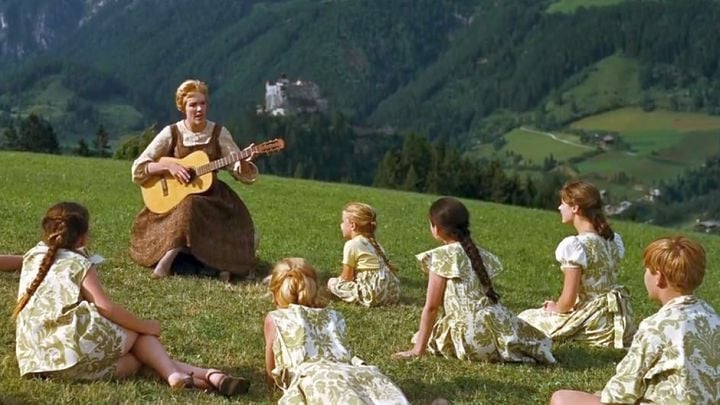
Shakespeare aside, however, would anyone care for Mary Poppins had she not sung her little number on the potency of a spoonful of sugar? How many of us would have known Maria von Trapp existed had her screen version not extolled the virtues of her favourite things via the medium of song in The Sound of Music (1965)? Mary Poppins would have lain forgotten within the dusty pages of the collective works of PL Travers, paling into insignificance and finally nothingness. Maria von Trapp may well have garnered a mention or two in history books. However, without The Sound of Music, it is highly unlikely she would have become synonymous with the woman who transformed curtains into beautifully tailored clothes and went gallivanting about the Austrian Alps giving her enraptured charges music lessons. Lesson learned: music is the equivalent of adding chaat masala to your fries. It adds a zing you didn’t know was missing, elevating the ordinary into the sublime.
Playing it safe
Hollywood, however, prefers to overlook this little chaat masala quality music is laced with. You would be fooled into thinking otherwise after reading about the box office expectations Wicked shattered, but as Harrison Richlin tells us in IndieWire, musicals face an uphill battle in being both released and in being developed in the first place. “On a much more fundamental level, most studios no longer have any institutional knowledge of what makes them so special, therefore undervaluing them at every opportunity,” laments Richlin.
He is not wrong. Hollywood has a zest for hurling foul-mouthed superheroes on steroids our way (or Roman warriors), but when it comes to the mighty musical, studios appear most skittish about marketing them as such. Wicked comes packed with 11 songs, not that you would have a hope of guessing it from the trailer.
The trailer reluctantly offers us one little line from Glinda’s Popular and another line from Elphaba’s anthem Defying Gravity, presumably on the premise that heads would have rolled had theatre fans not received this all-defining Wicked nugget before the release of the film. Everything else we see in the trailer is either dialogue or ticker-taped non-musical snippets that tell you next to nothing, other than Glinda helpfully pointing out that Elphaba is green.
Music was not always given such short shrift. If you look at The Sound of Music trailer, you will be treated to six sizeable chunks of 16 of its songs.
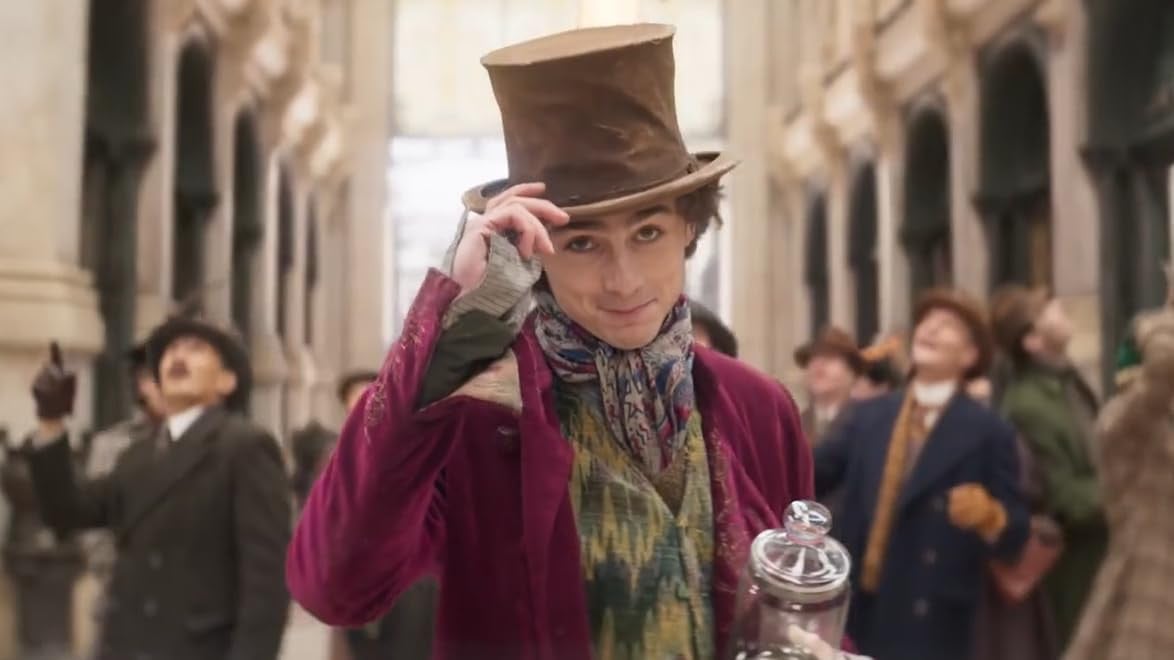
Unlike in the Wicked trailer, these sizeable chunks are far more substantial than the tantalising hint of a line – although I hasten to add that we cannot blame Wicked alone for taking pains to hide its exalted musical status in its trailer. Such music-shyness is a trait that has plagued nearly every musical that has come out in the past few years. Wonka, the prequel to Charlie and the Chocolate Factory, was released in December 2023, but you could study the trailer for hours without ever guessing that its star Timothée Chalamet sings no less than six out of 11 numbers in the film.
Of course, we mustn’t let ourselves be carried away with flights of fancy and bestow Wonka with the title of a musical, since as one Redditor illustrates, “It’s just a few songs, there’s lots of talk in between.” This helpful description was actually the reassuring answer to the wary question posited by the original poster, who had asked, “For those who watched, is the movie a full-on musical? The movie looks interesting but if it’s a full-on musical I might not watch.”
Pandering to the crowd





 American Dollar Exchange Rate