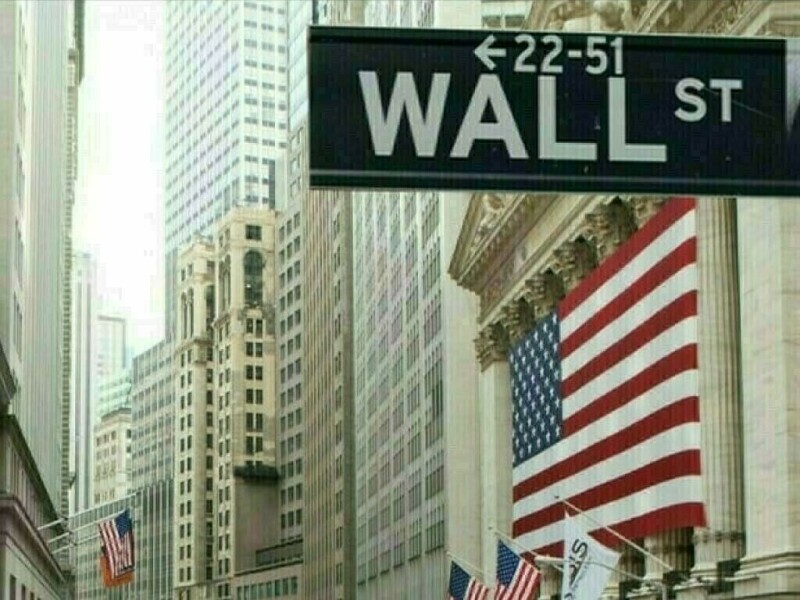
Wall Street fell sharply for a second straight session on Friday, pushing the Nasdaq toward a bear market, after China imposed fresh tariffs on all U.S. goods in response to the Trump administration’s sweeping levies, escalating a global trade war.
The Nasdaq Composite fell 3.69% to 15,940.08 by 09:41 a.m. ET, shedding 20% from its all-time closing high touched in December. If the index closes below that mark, it would confirm a bear market.
The tariff war has sent shockwaves through global financial markets and raised the fears of an economic downturn, with investment bank JP Morgan forecasting a 60% chance of the global economy entering recession by year-end, up from 40% previously.
China’s finance ministry said on Friday it would impose additional tariffs of 34% on all U.S. goods from April 10 after U.S. President Donald Trump raised tariff barriers to their highest level in more than a century this week.
U.S.-listings of Chinese companies dived, with JD.com and Alibaba shedding nearly 8.5% each and Baidu falling 7.6%.
Companies with exposure to China also fell across the board, with mega-caps such as Apple falling 4.7%, Nvidia losing 3.4% and Amazon.com slumping 6%.
“We’re beginning to see the inevitable retaliation from the global trade partners of the United States. The risk is that this tips a recession scare into a full-blown recession,” said Ben Laidler, head of equity strategy at Bradesco BBI.
Wall St plunges as Trump tariffs trigger recession fears
The Dow Jones Industrial Average fell 2.95% to 39,348.79, dropping 10% from its record close and on course to confirm a correction. The S&P 500 dropped 3.3% to 5,216.99.
The CBOE Volatility index, known as Wall Street’s fear gauge, hit its highest level since August 2024 at 37.66 points.
Wall Street’s main indexes posted their biggest single-day percentage declines in years on Thursday after Trump imposed a 10% tariff on most imports into the United States and much higher levies on dozens of other countries.
Investors have shunned riskier assets including stocks and commodities in recent weeks on bets that the tariffs will spark an economic slowdown, prompting them to seek safer assets such as government bonds and gold.
U.S. bank stocks dropped further on Friday, with the sector under pressure globally, as investors anticipated more interest rate cuts from central banks and a hit to economic growth from tariffs.
Bank of America, JPMorgan Chase and Citigroup all fell around 5% each. The yield on the benchmark 10-year Treasury notes was down to a
six-month low of 3.938%.
A Labor Department report showed the U.S. economy added far more jobs than expected in March, but Trump’s sweeping import tariffs could test the labor market’s resilience in the months ahead amid sagging business confidence.
Nonfarm payrolls increased by 228,000 jobs last month, while economists had forecast payrolls advancing by 135,000 jobs.
“With the trade war escalating, investors are ignoring lagging economic indicators like unemployment and focusing on the prospects of materially higher inflation,” said Ronald Temple, chief market strategist at Lazard.
Focus now shifts to Fed Chair Jerome Powell’s speech at 11:25 a.m. ET for clues on the path of interest rates.
Traders continued to anticipate a more accommodative policy from the U.S. central bank, with money market futures pricing in cumulative rate cuts of 110 basis points by the end of this year, compared with about 75 bps a week earlier.
Declining issues outnumbered advancers by a 10.33-to-1 ratio on the NYSE and a 6.57-to-1 ratio on the Nasdaq.
The S&P 500 posted eight new 52-week highs and 127 new lows while the Nasdaq Composite recorded 11 new highs and 665 new lows.

Wall Street fell sharply for a second straight session on Friday, pushing the Nasdaq toward a bear market, after China imposed fresh tariffs on all U.S. goods in response to the Trump administration’s sweeping levies, escalating a global trade war.
The Nasdaq Composite fell 3.69% to 15,940.08 by 09:41 a.m. ET, shedding 20% from its all-time closing high touched in December. If the index closes below that mark, it would confirm a bear market.
The tariff war has sent shockwaves through global financial markets and raised the fears of an economic downturn, with investment bank JP Morgan forecasting a 60% chance of the global economy entering recession by year-end, up from 40% previously.
China’s finance ministry said on Friday it would impose additional tariffs of 34% on all U.S. goods from April 10 after U.S. President Donald Trump raised tariff barriers to their highest level in more than a century this week.
U.S.-listings of Chinese companies dived, with JD.com and Alibaba shedding nearly 8.5% each and Baidu falling 7.6%.
Companies with exposure to China also fell across the board, with mega-caps such as Apple falling 4.7%, Nvidia losing 3.4% and Amazon.com slumping 6%.
“We’re beginning to see the inevitable retaliation from the global trade partners of the United States. The risk is that this tips a recession scare into a full-blown recession,” said Ben Laidler, head of equity strategy at Bradesco BBI.
Wall St plunges as Trump tariffs trigger recession fears
The Dow Jones Industrial Average fell 2.95% to 39,348.79, dropping 10% from its record close and on course to confirm a correction. The S&P 500 dropped 3.3% to 5,216.99.
The CBOE Volatility index, known as Wall Street’s fear gauge, hit its highest level since August 2024 at 37.66 points.
Wall Street’s main indexes posted their biggest single-day percentage declines in years on Thursday after Trump imposed a 10% tariff on most imports into the United States and much higher levies on dozens of other countries.
Investors have shunned riskier assets including stocks and commodities in recent weeks on bets that the tariffs will spark an economic slowdown, prompting them to seek safer assets such as government bonds and gold.
U.S. bank stocks dropped further on Friday, with the sector under pressure globally, as investors anticipated more interest rate cuts from central banks and a hit to economic growth from tariffs.
Bank of America, JPMorgan Chase and Citigroup all fell around 5% each. The yield on the benchmark 10-year Treasury notes was down to a
six-month low of 3.938%.
A Labor Department report showed the U.S. economy added far more jobs than expected in March, but Trump’s sweeping import tariffs could test the labor market’s resilience in the months ahead amid sagging business confidence.
Nonfarm payrolls increased by 228,000 jobs last month, while economists had forecast payrolls advancing by 135,000 jobs.
“With the trade war escalating, investors are ignoring lagging economic indicators like unemployment and focusing on the prospects of materially higher inflation,” said Ronald Temple, chief market strategist at Lazard.
Focus now shifts to Fed Chair Jerome Powell’s speech at 11:25 a.m. ET for clues on the path of interest rates.
Traders continued to anticipate a more accommodative policy from the U.S. central bank, with money market futures pricing in cumulative rate cuts of 110 basis points by the end of this year, compared with about 75 bps a week earlier.
Declining issues outnumbered advancers by a 10.33-to-1 ratio on the NYSE and a 6.57-to-1 ratio on the Nasdaq.
The S&P 500 posted eight new 52-week highs and 127 new lows while the Nasdaq Composite recorded 11 new highs and 665 new lows.




 American Dollar Exchange Rate