

Pakistan Virtual Assets Regulatory Authority (PVARA) Chairman Bilal Bin Saqib has clarified that the no-objection certificates (NOCs) previously issued to global cryptocurrency exchanges Binance and HTX do not amount to blanket approvals.
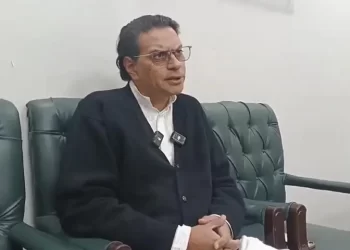
Speaking in a televised statement on Sunday, Saqib said the NOCs represent the “first step under a risk-mitigated, phased, supervised entry framework,” aimed at ensuring proper oversight of foreign crypto operators entering Pakistan.
Saqib to represent Pakistan at 2 global digital asset forums
He added that the move reflects a “Pakistan-first” approach, allowing authorities to maintain control over money laundering and terrorism financing risks, while also verifying transparency of ownership and fitness and propriety of the firms.
The clarification comes after the exchanges were given initial clearance on Friday to register local units and begin preparations for full licence applications.
Saqib explained that under a supervised entry framework, authorities have established control in three key areas: combating money laundering and terrorism financing; ensuring transparency of ownership along with fitness and propriety checks; and facilitating licensing by enforcing timelines.
He said it is mandatory for every platform to register with the AML system and maintain direct linkages with the Financial Monitoring Unit, emphasizing that no platform would be allowed to operate in the country without proper disclosures and verification.
Saqib added that the licensing process would begin once entities comply with Pakistan’s laws and regulatory oversight. He noted that this phased approach is not unique to Pakistan, as leading global financial centres have been adopting similar strategies for emerging industries.
Reiterating a “Pakistan-first approach” in the crypto sector, he said, “We will first control this industry and then scale it.”
He highlighted that Pakistan ranks among the world’s top three countries in crypto adoption, with an estimated 30 to 40 million users, many of whom entered the sector without any regulatory framework or formal education. “This demonstrates the talent of our youth,” he said. “But are our systems and regulations world class?”
Saqib questioned whether the state could afford to remain absent from a sector engaging such a large portion of the population.
“Ignoring innovation is not an option,” he said, stressing that failing to introduce proper policies could weaken the country and jeopardize public safety.
He concluded that the country’s leadership is actively working to bridge this regulatory gap.





 American Dollar Exchange Rate