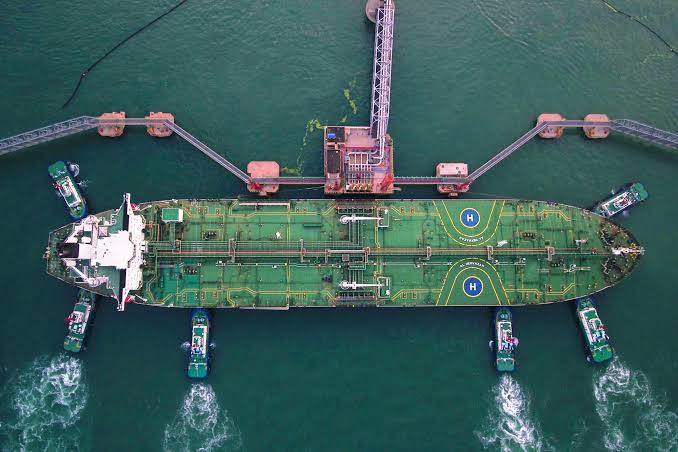
Global oil prices increased sharply after coordinated military strikes by the United States and Israel on Iran raised tensions across the Middle East. The rise in conflict created concerns about possible disruptions to global energy supplies, leading to strong reactions in international oil markets.
Brent crude oil prices climbed by nearly 12 percent, moving above 80 dollars per barrel, while West Texas Intermediate (WTI) crude rose around 8 percent, crossing 72 dollars per barrel.
Oil prices had already been rising before the latest developments, with Brent crude reaching its highest level in about seven months and gaining nearly 19 percent since the start of the year.
Market analysts say the recent escalation has added further uncertainty, increasing fears about supply shortages if the conflict continues.
In response to the strikes, Iran reportedly launched missile and drone attacks targeting locations in the Gulf region.
These actions have raised serious concerns about the safety of energy infrastructure, oil facilities, and major shipping routes used for global trade. Investors and energy companies are now closely monitoring the situation for any further military activity.
Particular attention is focused on the Strait of Hormuz, one of the world’s most important routes for transporting crude oil. A large portion of global oil exports passes through this narrow waterway.
Experts warn that prolonged instability or disruption in this area could significantly impact global energy supplies and push oil prices even higher in the coming weeks.









 American Dollar Exchange Rate