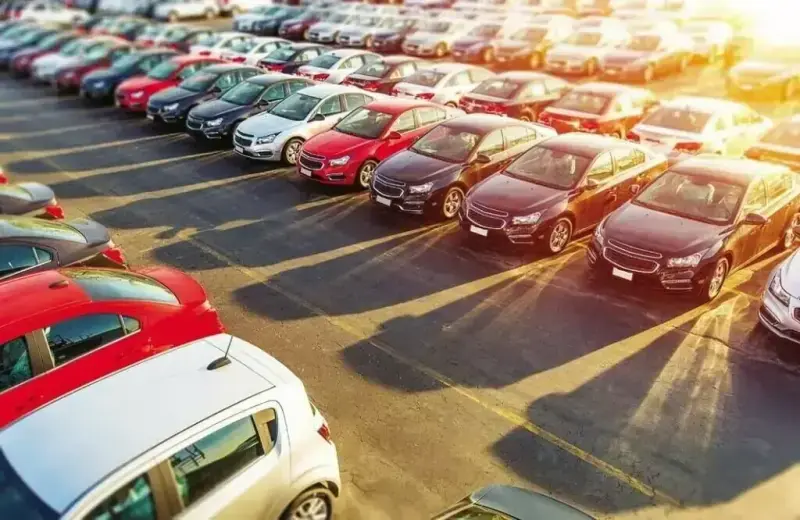

Car sales in Pakistan gained substantial momentum during the first five months of the current fiscal year (July to November FY2025-26) on the account of rising new purchases and improved economic sentiments, following new models and varieties in the local market.
The Pakistan Automotive Manufacturers Association (PAMA) on Thursday reported 43% hike in car sales (excluding jeeps and pickups) to 55,239 units in 5MFY26, against 38,597 units sold in the same period last year (SPLY).
“Monthly car sales have been steadily rising, reflecting a clear recovery in the auto sector. Improving economic sentiment and friendly and supportive policies by the government, easier approach of financing, introduction of new models, and major change in price reductions on several models by Original Equipment Manufacturers (OEMs) are encouraging consumers to return to the market,” automobile expert Shafiq Ahmed Shaikh said.
Car sales in Pakistan jump 46% in first four months of FY2025-26
In the month of November, car sales stood at 12,408 units, an increase of over 50% against 7,972 units sold in the same month last year. On a monthly basis, car sales decreased by 8%.
“Occasional month-to-month fluctuations occur due to seasonality. This momentum suggests that if economic stability and long term policies continues, the sector may sustain its upward trajectory in the coming months.”
Auto analyst Muhammad Sabir Shaikh said locals were nipping down to new vehicles or changing their vehicles after a few years.
“The policy shift will be witnessed in two-three years as both EV motorbikes and cars are quickly coming in the local market, while fuel-driven vehicles will disappear gradually as per the government initiatives following pollution in ten big cities of the country“,” he maintained.
The sales of jeeps and pickups rose by 62% to 19,803 units, trucks recorded 101% increase to 2,753 units, and buses sales rose 72% to 407 units respectively. Motorcycles and rickshaws sales also rose by 32% to 762,778 units.
However, farm tractors continued to face a decline due to lack of interest of agriculture landlords who have not been purchasing new tractors because of a significant fall in the agricultural output following climate change in the country.





 American Dollar Exchange Rate