
Pakistan’s largest gas distributor was set to cut supplies to some of its industrial customers, suggesting growing strain in one of the economies most dependent on energy exports from Qatar, Bloomberg reported on Wednesday.
According to the report, the conflict in the Middle East has caused the most extensive disruption to the global energy trade since Russia’s invasion of Ukraine in 2022, blocking the Strait of Hormuz and shuttering giant energy facilities including Qatar’s Ras Laffan liquefied natural gas export plant.
This happened after Israel and the US carried out attacks on Iran, followed by Tehran launching retaliatory strikes on regional bases. The situation led to disruption at the Strait of Hormuz.
Also read: What is the Strait of Hormuz and why is it so important for oil?
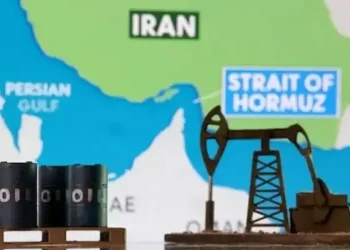
The strait lies between Oman and Iran and links the Gulf north of it with the Gulf of Oman to the south and the Arabian Sea beyond. It is 21 miles (33 km) wide at its narrowest point, with the shipping lane just 2 miles (3 km) wide in either direction.
During the last energy crunch four years ago, Pakistan suffered acutely from an economic crisis and was unable to afford sky-high prices and the country was forced to grapple with hours of daily blackouts, according to the report.
In the short-term, the current crisis comes with an unexpected silver lining for an economy under pressure — it could help the country avoid expensive purchase agreements with Qatar which it no longer needs. Samiullah Tariq, head of research at Pakistan Kuwait Investment, said shifting to cheaper alternatives like imported coal “could be a blessing in disguise”, the report said.
Sui Northern Gas Pipelines Limited, in a notice to the customers, said it could not provide regasified LNG to fertiliser plants from midnight Wednesday, having been notified of disruptions from its own supplier, Pakistan State Oil, just five days into confrontations in the Persian Gulf.
“That suggests even lengthier disruptions would almost certainly prove both painful and costly.”
The situation “could be serious” if five or more shipments of LNG were affected, Masanori Odaka, analyst at Rystad Energy, was quoted as saying in the report. “Current spot prices are well beyond what Pakistan is likely willing to pay,” he said. “So I will say the alternatives to sourcing LNG cargoes are limited.” A history of deferment and payment difficulties would also put Pakistan at a disadvantage.”
For the month of March, according to Bloomberg, the country has received two cargoes, making it likely any gap can be filled with domestic production and coal imports. In April and May, however, the shortfall could extend from around half or one LNG shipment to two or three, according to Evan Tan, LNG analyst from commodities research group ICIS — too much to fill with domestic fixes.
Meanhwile, Pakistan has asked Saudi Arabia to route oil supplies through the Red Sea port of Yanbu after the closure of the Strait of Hormuz disrupted shipping, the petroleum ministry said in a press release on Wednesday.
Petroleum Minister Ali Pervaiz Malik raised the issue in a meeting with Saudi Arabia’s ambassador to Pakistan, Nawaf bin Said Al-Malki, according to a ministry statement.
The minister said most of Pakistan’s energy imports transit through the Strait of Hormuz and the government was monitoring the situation closely to ensure the continuity of supplies.





 American Dollar Exchange Rate