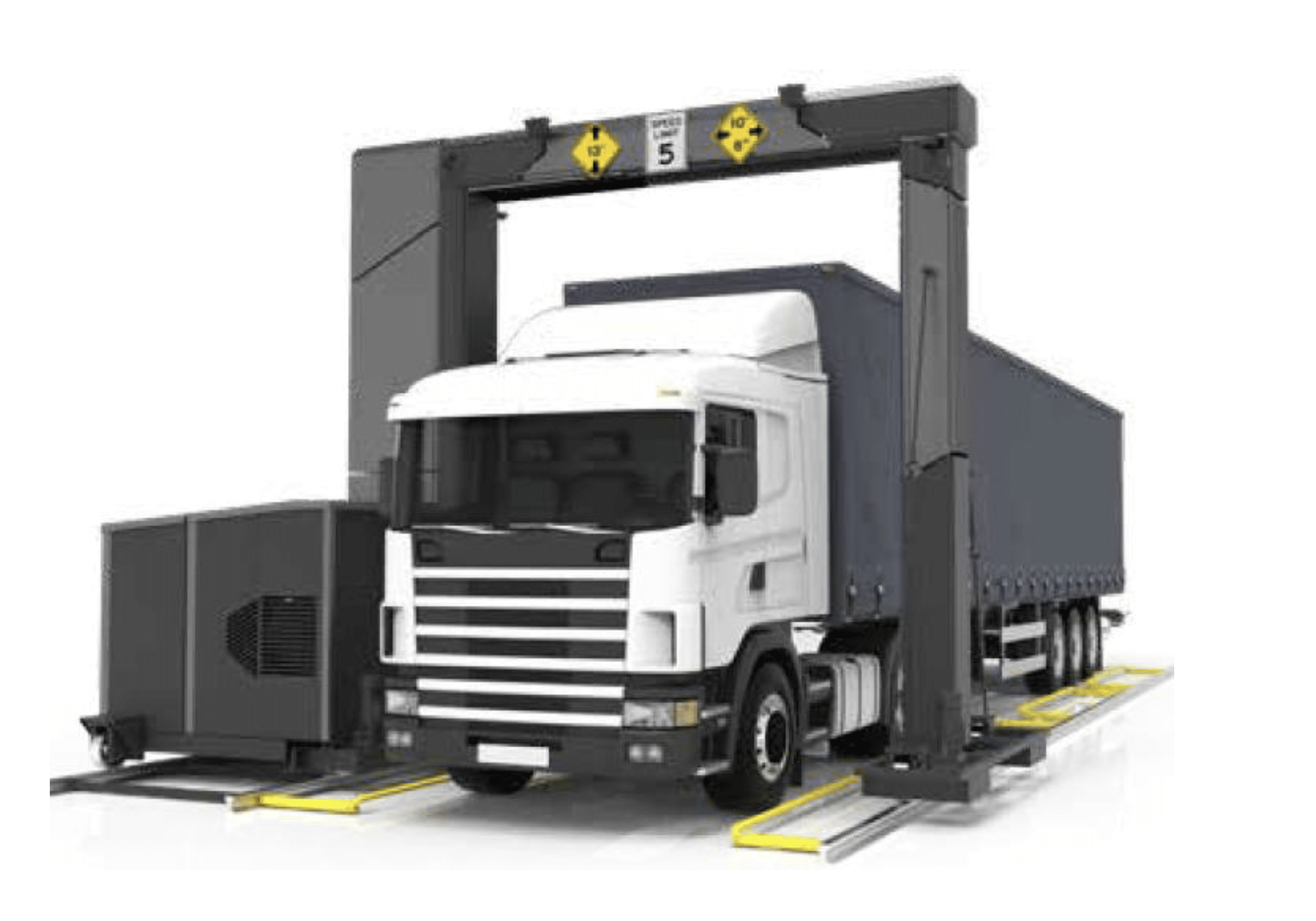
Pakistan has started using artificial intelligence-based scanners at its land borders to make cargo clearance faster and safer. The new system has been introduced at major crossings, including points linked with China and Iran, where trade traffic often faces long delays.
These AI scanners can check a full container in seconds. Instead of opening trucks and checking goods by hand, the system scans containers digitally and spots suspicious items through smart image analysis. This saves time, reduces congestion, and lowers the need for physical inspections.
Officials say the technology will help traders who often lose money due to long waiting hours at borders. Faster clearance means goods reach markets on time, transport costs drop, and trade becomes smoother. It also helps customs staff focus on high-risk shipments rather than checking every container.
Another key benefit is transparency. Digital scans create clear records, which makes it harder for illegal goods to pass unnoticed. This supports efforts to control smuggling while allowing legal trade to move quickly.
The move is part of a wider plan to modernize Pakistan’s trade and logistics system. With growing trade links under regional routes and economic corridors, efficient border management has become more important than ever. Many countries already use similar systems to speed up trade and improve security.
Experts believe this step can improve Pakistan’s image as a reliable trade partner. Faster borders make the country more attractive for regional transit and business. If expanded to more entry points, AI-based scanning could play a strong role in boosting exports, supporting local businesses, and strengthening the overall economy.








 American Dollar Exchange Rate