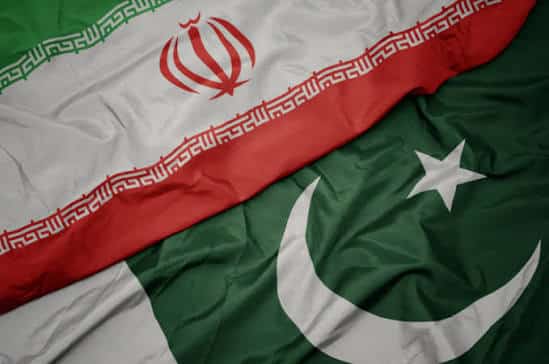
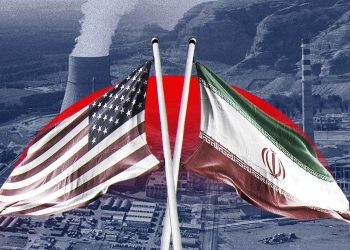
A major shift is happening in the Middle East, with Pakistan stepping up as an important player in regional diplomacy to reduce tensions between the US and Ir@n.
Countries like Saudi Arabia, Türkiye, Qatar, and Egypt are now engaging directly with Ir@n, avoiding Washington, to find solutions within the region after recent attacks involving the US and Isr@el.
Pakistan’s role shows its growing influence as a constructive partner in promoting peace and stability in the Muslim world. The country is actively supporting dialogue and helping mediate between conflicting parties.
High-level meetings have already taken place in Riyadh, and continuous discussions are ongoing in Doha and Ankara. These talks focus on easing tensions, arranging ceasefires, and encouraging multilateral dialogue among the nations involved.
Experts view this approach as a shift in strategy, where regional powers are taking more responsibility for managing security crises that affect their own neighborhoods.
By engaging directly with Ir@n and other regional stakeholders, these countries are seeking to reduce the risk of wider conflicts and assert more control over outcomes.
Pakistan’s participation not only reinforces its image as a diplomatic mediator but also reflects a broader trend of regional self-reliance in handling security and political challenges.
The involvement of multiple Middle Eastern nations demonstrates a collective effort to manage conflicts locally, rather than relying solely on global powers.
This development marks an important moment in Middle Eastern politics, showing that countries in the region are increasingly coordinating to maintain stability.
Pakistan’s active role highlights its commitment to peace, dialogue, and regional cooperation, which could have long-term positive effects on security and diplomatic relations across the Middle East.





 American Dollar Exchange Rate