
Pakistan has announced to raise its defence budget significantly by over 20% as the government allocated Rs2.55 trillion for the incoming fiscal year (FY26).
The increase in budget spending comes at a time when tensions between neighbouring Pakistan and India remain high.
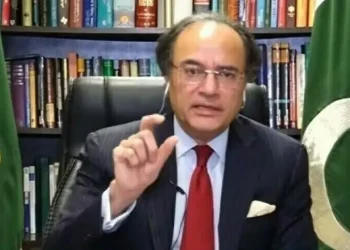
Finance Minister Muhammad Aurangzeb announced Pakistan’s federal budget 2025-26 “for a competitive economy” on Tuesday, targeting a modest 4.2% growth for the coming fiscal year, compared to 2.7% expected in the outgoing FY25.
“The country’s defence is our top priority,” said Aurangzeb during his address, as he lauded the role of the country’s leadership, especially the armed forces, for their role against recent clashes with India.
Pakistan had allocated Rs2.12 trillion for defence in the FY 2024-25. Its defence budget was raised by 16.4% last year.
The government, in recognition of services from the armed forces, also proposed to provide special allowances to the officers and soldiers of the armed forces.
These expenses will be met from the defence budget for the fiscal year 2025-26.
Addressing the federal cabinet meeting, Prime Minister Shehbaz Sharif said that Pakistan is now in a take-off position, and all economic indicators are satisfactory.
“After defeating India in a conventional war, now it has to surpass it in the economic field as well,” the PM said.
“If there is passion and desire, nothing is impossible; everyone will have to work together day and night to move forward,” he added.
Earlier, Tola Associates, a tax advisory and consultancy firm, has proposed to raise the defence budget to Rs2.8 trillion, reflecting a 32% increase as compared to the last fiscal, “due to the war situation with the neighbouring country and the new recruitment of army personnel”.
Ties between Pakistan and India nosedived after a deadly attack in Indian Illegally Occupied Jammu and Kashmir (IIOJK) last month that New Delhi said was backed by Islamabad.
Pakistan denied involvement, but intense fighting broke out when India struck what it said were “terrorist camps” in Pakistan. They agreed on a ceasefire, which has largely held.

Pakistan has announced to raise its defence budget significantly by over 20% as the government allocated Rs2.55 trillion for the incoming fiscal year (FY26).
The increase in budget spending comes at a time when tensions between neighbouring Pakistan and India remain high.
Finance Minister Muhammad Aurangzeb announced Pakistan’s federal budget 2025-26 “for a competitive economy” on Tuesday, targeting a modest 4.2% growth for the coming fiscal year, compared to 2.7% expected in the outgoing FY25.
“The country’s defence is our top priority,” said Aurangzeb during his address, as he lauded the role of the country’s leadership, especially the armed forces, for their role against recent clashes with India.
Pakistan had allocated Rs2.12 trillion for defence in the FY 2024-25. Its defence budget was raised by 16.4% last year.
The government, in recognition of services from the armed forces, also proposed to provide special allowances to the officers and soldiers of the armed forces.
These expenses will be met from the defence budget for the fiscal year 2025-26.
Addressing the federal cabinet meeting, Prime Minister Shehbaz Sharif said that Pakistan is now in a take-off position, and all economic indicators are satisfactory.
“After defeating India in a conventional war, now it has to surpass it in the economic field as well,” the PM said.
“If there is passion and desire, nothing is impossible; everyone will have to work together day and night to move forward,” he added.
Earlier, Tola Associates, a tax advisory and consultancy firm, has proposed to raise the defence budget to Rs2.8 trillion, reflecting a 32% increase as compared to the last fiscal, “due to the war situation with the neighbouring country and the new recruitment of army personnel”.
Ties between Pakistan and India nosedived after a deadly attack in Indian Illegally Occupied Jammu and Kashmir (IIOJK) last month that New Delhi said was backed by Islamabad.
Pakistan denied involvement, but intense fighting broke out when India struck what it said were “terrorist camps” in Pakistan. They agreed on a ceasefire, which has largely held.





 American Dollar Exchange Rate