
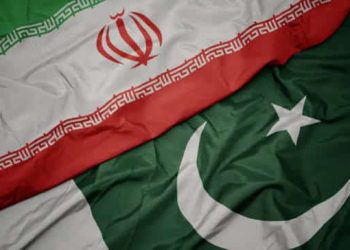
Pakistan has intensified its diplomatic engagement in the aftermath of the recent US–Iran episode, positioning itself as a key mediator in efforts to de-escalate regional tensions. According to emerging reports, Islamabad is now actively working to facilitate urgent ceasefire agreements in both Lebanon and Yemen, aiming to prevent further spillover of conflict across the Middle East.
As part of these efforts, the government has implemented heightened security measures across critical locations in Islamabad, where high-level diplomatic engagements are expected to take place. These precautions reflect the significance of the anticipated talks and the sensitivity of the ongoing negotiations.
While there have been mixed signals from various sides, representatives from both the United States and Iran are still expected to participate in the discussions, raising cautious optimism about potential progress through dialogue. At the same time, the broader regional situation remains fragile. Disruptions in the Strait of Hormuz have already begun to affect global oil supply routes, contributing to fluctuations in energy prices and increasing concerns in international markets.
These developments underscore the urgency of coordinated diplomatic action, as stakeholders attempt to stabilize the region and mitigate further economic and geopolitical fallout.
Disclaimer: This content is intended for informational purposes only and is based on currently available reports and sources.





 American Dollar Exchange Rate