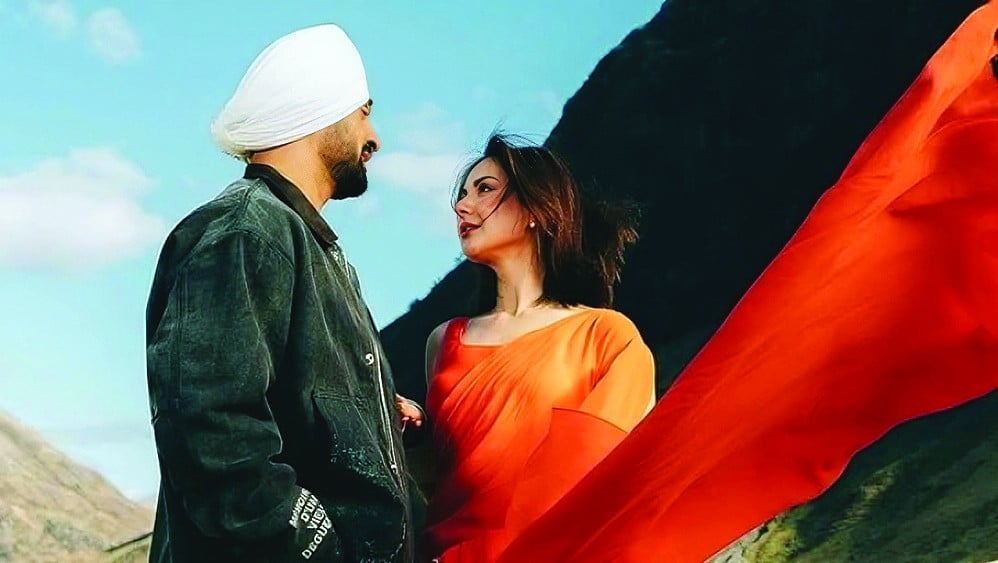
Indian government seeks to eradicate influence of Pakistani artists – again

While conflict raged between the powerful militaries of India and Pakistan, a battle was also fought on the cultural front lines despite years of shared love for films and music.
The deadly fighting in early May – the worst in decades – affected artists previously untouched by animosity between their leaders.
Ali Gul Pir, a Pakistani rapper and comedian with a huge Indian following, released a song years ago mocking Indian Prime Minister Narendra Modi.
While he was spared consequences then, in May his YouTube channel and Instagram profile were blocked in India.
“Indians now recognise that the digital space serves as a bridge between Pakistanis and Indians, and they seem intent on severing that connection,” Pir told AFP.
The collapse in bilateral relations was caused by a deadly April attack on tourists in India-administered Kashmir, which New Delhi blamed on Islamabad.
Pakistan denied the allegation and, after tit-for-tat diplomatic retaliation, their militaries fought for four days before a ceasefire was reached.
The conflict hit the music industry for the first time, with Pakistani singer Annural Khalid also remembering how her Indian following dropped off.
“Delhi was my top listening city before the ban,” said Khalid, who has 3.1 million monthly listeners on Spotify.
“I suffered a great loss in the audience” from India, she told AFP.
“Listeners were deprived of content because music was turned into something it is not,” Khalid added.
The conflict also scrubbed out some prior exchanges, such as the soundtrack of the 2017 film Raees on Spotify in India.
It now shows only Indian actor Shah Rukh Khan, without his Pakistani co-star Mahira Khan.
‘The same traumas’
With Pakistan producing just a handful of films each year under strict censorship rules, Bollywood has always proven popular among viewers.





 American Dollar Exchange Rate