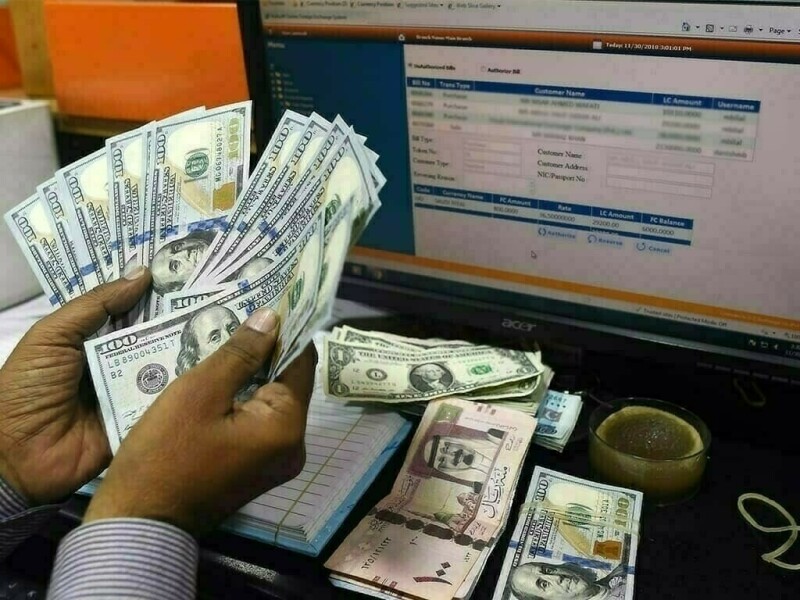

The Pakistan Banks Association (PBA) rejected on Monday what it called “misleading assertions” in recent press coverage (not media or Aaj TV) suggesting that government subsidies to banks under remittance incentive schemes serve no economic purpose.
“Such narratives dangerously undermine public confidence at a time when Pakistan’s financial stability depends on robust formal remittance flows,” PBA statement read.
It further said when the Pakistan Remittance Initiative (PRI) was conceptualised in 2008, formal remittances stood at only $6.5 billion, while an estimated $20 billion flowed through undocumented hawala/hundi channels, exacerbating balance of payments pressures.
“The PRI, launched in 2009, was a homegrown solution to shift flows to formal banking channels, offering an initial incentive of SAR 20 per transaction, approximately 2.25% of the average $500 transaction, which was far more viable than foreign borrowings carrying interest rates above 3.5% plus long-term repayment obligations and exchange rate risks.
In contrast, PRI incentives are one-time PKR payments with no repayment liability, making them a strategic win-win for Pakistan’s economy.“
The PBA was of the view that banks do not profit from the incentives.
“In reality, they bear enormous costs to remain competitive, offering higher rebates and FX premiums to Money Transfer Operators (MTOs) and remitters abroad.
These costs are only partially offset by government incentives, with the remainder absorbed by banks to maintain essential liquidity for import payments and economic stability.“
For example, it added, banks often pay Rs3-5 per USD premium over interbank rates to attract flows that would otherwise revert to hawala, incurring direct losses in the national interest.
“Contrary to claims, banks invest heavily in compliance systems, international correspondent banking relationships, technology platforms, and customer outreach to process remittances securely and efficiently,” the PBA said.
Approximately 90% of rebates before FY25 and over 100% under FY25 schemes were passed directly to international partners, leaving no direct profit for banks, according to the association.
“Furthermore, banks pay their partners upfront while government reimbursements are delayed by months, imposing significant working capital costs.
“Banks submit monthly data of PRI remittances to SBP, duly reviewed and certified by Internal Audits of the Banks. SBP also conducts review of this certified data before making payment of incentive under the scheme.”
Allegations that banks manipulate remittance data, launder undeclared funds, or facilitate tax evasion “are baseless”, the PBA said.
It further said banks operate under strict SBP regulations, AML/CFT frameworks, and independent audits.
The classification of freelancer and IT exporter earnings as remittances is a policy classification issue needing regulatory clarity, not bank misconduct, the press release stated.
“It is telling that such narratives are often promoted by vested interests seeking to dismantle the formal banking remittance ecosystem to divert flows back into their networks. These banking-led initiatives have been instrumental in ensuring Pakistan’s compliance with global AML/CFT standards, preventing potential blacklisting that would cripple the economy.
“Pakistan’s banks continue to offer competitive FX rates despite incurring losses, solely to preserve formal flows. Without these incentives, remittances would revert to undocumented channels, undermining fiscal sustainability and increasing dependence on costly foreign borrowing.”
According to the PBA, the suggestion that banks are subsidised “ignores the economic reality that these incentives ensure secure, documented, and traceable remittance flows critical for Pakistan’s economy”.
“Banks remain among the country’s largest taxpayers and employers, paying over Rs850 billion in taxes annually, while financing every facet of national economic activity.
“Mischaracterising their role only weakens public trust at a time when economic unity and realism are paramount.”
The PBA said while modalities could be improved over time, PRI remained a strategic success story.
“The PBA remains committed to working with policymakers to strengthen Pakistan’s economy, maintain global compliance, and safeguard financial stability, but rejects in the strongest terms any narrative driven by vested interests that undermines the banking sector’s contributions and national economic security.
“PRI is an essential driver striving for Pakistan’s financial independence and diversion from reliance on international debt and forex assistance,” the press release read.







 American Dollar Exchange Rate