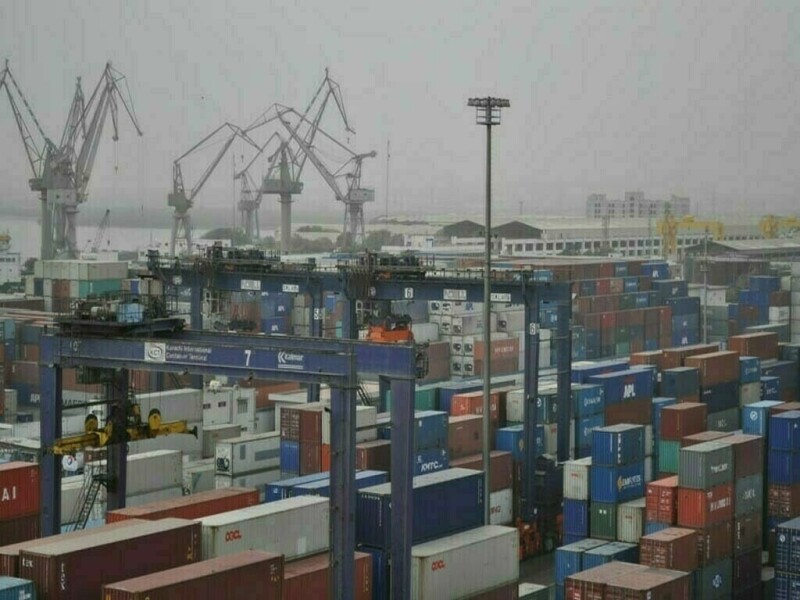
LAHORE: The Pakistan Readymade Garments Manufacturers and Exporters Association (PRGMEA) has strongly opposed the recent amendments to the Export Facilitation Scheme (EFS), warning they will harm the apparel sector, particularly small and medium enterprises (SMEs).
PRGMEA former chairman Ijaz Khokhar urged the Federal Board of Revenue to take strict action against companies that misused the EFS facility instead of penalising the entire export sector. He emphasised that SME exporters are already struggling and that delaying these amendments would help prevent further damage.
“A major concern is the reduced utilisation period for imported raw materials, now capped at nine months, with extensions requiring board committee approval.” The former chairman argued that apparel production involves multiple steps, including designing, sourcing, manufacturing, and shipping. Such a restrictive timeframe will make it difficult for exporters to meet commitments.
“Another issue is the requirement of a bank guarantee for enhanced face value, which disproportionately affects SMEs. Many lack the financial resources to secure such guarantees, potentially barring them from essential export facilitation benefits, he said, adding this policy limits their ability to expand into international markets.”
The amendments introduced through SRO 301(I)/ 2025 will weaken Pakistan’s competitiveness in apparel exports, he said.
Ijaz Khokhar highlighted that the industry is already struggling with rising production costs, energy shortages, and logistical challenges. Additional regulatory burdens will only worsen these issues, threatening jobs and reducing export potential. He noted that global buyers are highly sensitive to delivery timelines, and bureaucratic delays could result in lost orders.
“The new amendments impose unrealistic restrictions on raw material utilisation and require bank guarantees SMEs cannot afford. These policies will negatively impact Pakistan’s export growth and textile sector,” Khokhar stated.
He also expressed concerns over increased compliance burdens and policy uncertainty, which could weaken Pakistan’s position against regional competitors like Bangladesh and Vietnam. He stressed that exporters need a streamlined, transparent system to facilitate trade rather than complex regulations that create delays and additional costs. Exporters are already navigating economic challenges, including fluctuating currency rates and increasing freight costs. Introducing more hurdles will only make it harder for them to sustain operations.
Another major concern is the potential reduction in export-related incentives. PRGMEA leader warned that the amendments may lead to cuts in duty drawbacks and sales tax exemptions, which are essential for maintaining profitability. Delays in refund processing already strain garment manufacturers, and further disruptions could impact their cash flow. Small exporters rely heavily on timely refunds to reinvest in production and fulfil new orders.
The narrowing of eligibility criteria for accessing EFS benefits is another challenge. Restricting these benefits will disproportionately affect SME exporters, who already face difficulties in securing financing and expanding operations. Ensuring equal access to these benefits is essential for fostering growth and job creation in the sector.
The apparel industry leader urged the authorities to consider the broader economic impact before implementing changes that could force smaller players out of the market.
Ijaz Khokhar also stressed the need for consistency in export policies. Frequent and unclear policy changes create confusion and increase operational risks, particularly for SMEs with limited resources to adapt. Exporters require clear, stable regulations to plan their operations effectively. The government must provide long-term policy assurances to instil confidence among investors and exporters.
He called for PRGMEA and the PHMA to be included in the Committee for the Review of the Export Facilitation Scheme. As these two organisations jointly contribute $8.69 billion in exports, their participation is crucial to ensuring that policies align with industry realities. Involving industry stakeholders in policy decisions is vital to creating fair and growth-oriented regulations.
Ijaz Khokhar urged the government to reconsider the amendments to the EFS, ensuring they support rather than hinder exporters. He called on policymakers to collaborate with industry representatives to develop a facilitation framework that fosters growth and strengthens Pakistan’s position in the global market. A well-structured EFS can significantly contribute to increasing exports, generating employment, and improving Pakistan’s economic stability; however, if policies continue to burden exporters, the country risks losing its competitive edge in the global textile and apparel industry, he said.

LAHORE: The Pakistan Readymade Garments Manufacturers and Exporters Association (PRGMEA) has strongly opposed the recent amendments to the Export Facilitation Scheme (EFS), warning they will harm the apparel sector, particularly small and medium enterprises (SMEs).
PRGMEA former chairman Ijaz Khokhar urged the Federal Board of Revenue to take strict action against companies that misused the EFS facility instead of penalising the entire export sector. He emphasised that SME exporters are already struggling and that delaying these amendments would help prevent further damage.
“A major concern is the reduced utilisation period for imported raw materials, now capped at nine months, with extensions requiring board committee approval.” The former chairman argued that apparel production involves multiple steps, including designing, sourcing, manufacturing, and shipping. Such a restrictive timeframe will make it difficult for exporters to meet commitments.
“Another issue is the requirement of a bank guarantee for enhanced face value, which disproportionately affects SMEs. Many lack the financial resources to secure such guarantees, potentially barring them from essential export facilitation benefits, he said, adding this policy limits their ability to expand into international markets.”
The amendments introduced through SRO 301(I)/ 2025 will weaken Pakistan’s competitiveness in apparel exports, he said.
Ijaz Khokhar highlighted that the industry is already struggling with rising production costs, energy shortages, and logistical challenges. Additional regulatory burdens will only worsen these issues, threatening jobs and reducing export potential. He noted that global buyers are highly sensitive to delivery timelines, and bureaucratic delays could result in lost orders.
“The new amendments impose unrealistic restrictions on raw material utilisation and require bank guarantees SMEs cannot afford. These policies will negatively impact Pakistan’s export growth and textile sector,” Khokhar stated.
He also expressed concerns over increased compliance burdens and policy uncertainty, which could weaken Pakistan’s position against regional competitors like Bangladesh and Vietnam. He stressed that exporters need a streamlined, transparent system to facilitate trade rather than complex regulations that create delays and additional costs. Exporters are already navigating economic challenges, including fluctuating currency rates and increasing freight costs. Introducing more hurdles will only make it harder for them to sustain operations.
Another major concern is the potential reduction in export-related incentives. PRGMEA leader warned that the amendments may lead to cuts in duty drawbacks and sales tax exemptions, which are essential for maintaining profitability. Delays in refund processing already strain garment manufacturers, and further disruptions could impact their cash flow. Small exporters rely heavily on timely refunds to reinvest in production and fulfil new orders.
The narrowing of eligibility criteria for accessing EFS benefits is another challenge. Restricting these benefits will disproportionately affect SME exporters, who already face difficulties in securing financing and expanding operations. Ensuring equal access to these benefits is essential for fostering growth and job creation in the sector.
The apparel industry leader urged the authorities to consider the broader economic impact before implementing changes that could force smaller players out of the market.
Ijaz Khokhar also stressed the need for consistency in export policies. Frequent and unclear policy changes create confusion and increase operational risks, particularly for SMEs with limited resources to adapt. Exporters require clear, stable regulations to plan their operations effectively. The government must provide long-term policy assurances to instil confidence among investors and exporters.
He called for PRGMEA and the PHMA to be included in the Committee for the Review of the Export Facilitation Scheme. As these two organisations jointly contribute $8.69 billion in exports, their participation is crucial to ensuring that policies align with industry realities. Involving industry stakeholders in policy decisions is vital to creating fair and growth-oriented regulations.
Ijaz Khokhar urged the government to reconsider the amendments to the EFS, ensuring they support rather than hinder exporters. He called on policymakers to collaborate with industry representatives to develop a facilitation framework that fosters growth and strengthens Pakistan’s position in the global market. A well-structured EFS can significantly contribute to increasing exports, generating employment, and improving Pakistan’s economic stability; however, if policies continue to burden exporters, the country risks losing its competitive edge in the global textile and apparel industry, he said.




 American Dollar Exchange Rate